The Script Factory Revolution
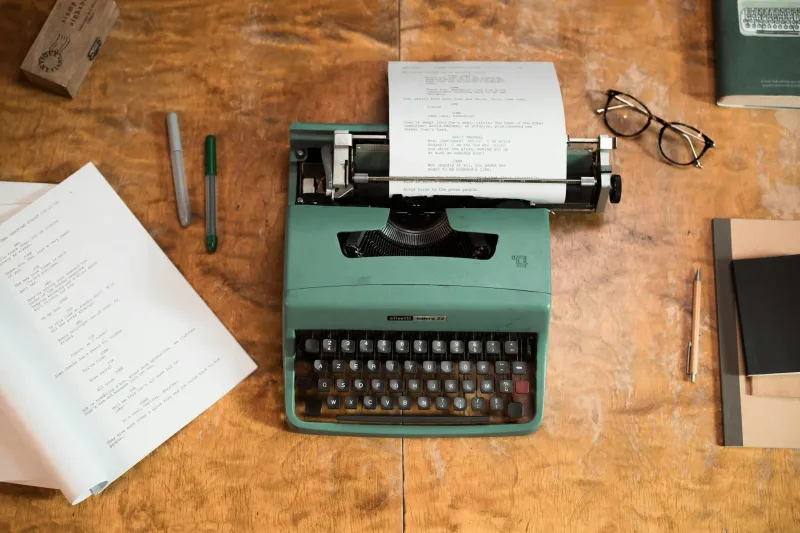
There's a peculiar magic that happens in the unglamorous office blocks scattered across Manchester and Leeds, where teams of writers gather round tables laden with lukewarm tea and yesterday's newspapers. These aren't Hollywood glamour palaces or trendy Soho creative hubs – they're the beating heart of British television drama, where ordinary northern folk become the architects of stories that captivate millions.
The writers' rooms behind Coronation Street, Emmerdale, and their ilk operate like well-oiled machines, churning out five episodes a week, fifty-two weeks a year. It's a relentless pace that would break lesser mortals, but these scribes have mastered the art of turning real life into compelling television faster than you can say "trouble at t'mill."
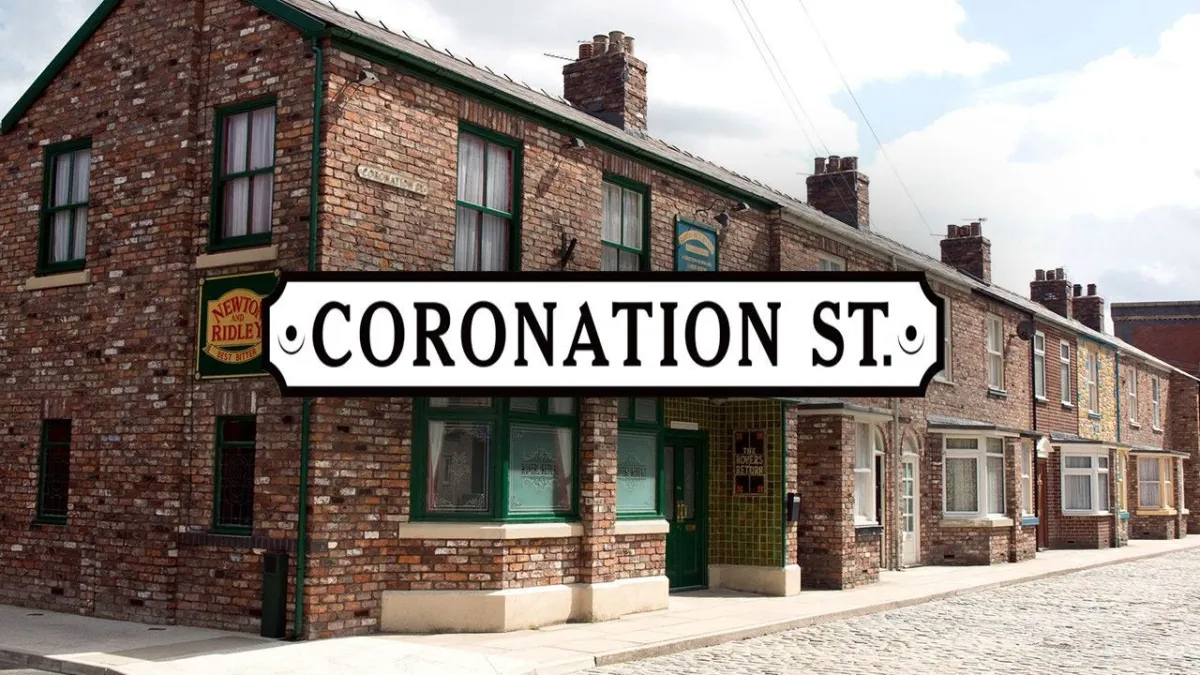 Photo: Coronation Street, via hips.hearstapps.com
Where Real Life Meets the Screen
What makes northern soap writing so distinctive isn't just the accents or the settings – it's the lived experience that seeps into every storyline. Many of the writers grew up in the communities they're now depicting, understanding instinctively how a conversation unfolds in a Weatherfield pub or why a family feud in the Dales might simmer for generations.
Take the legendary Coronation Street writing team, holed up in their Manchester headquarters. They've elevated the mundane – a dispute over a parking space, a failed business venture, a romance blooming over chip butties – into appointment television. The secret sauce isn't exotic locations or celebrity cameos; it's the authentic northern voice that recognises drama exists in every corner shop conversation and every family dinner.
The Pressure Cooker Process
The sheer volume of content these teams produce is staggering. While a single episode of a prestige drama might take months to craft, soap writers are expected to deliver compelling storylines that weave together multiple character arcs, maintain continuity across decades of history, and keep viewers coming back tomorrow night.
The process itself is fascinatingly collaborative. Story conferences resemble war rooms, with writers mapping out character trajectories months in advance while leaving room for the spontaneous moments that often become the most memorable scenes. A throwaway line about a character's past might blossom into a major storyline six months later, all because someone in that Manchester office remembered their own grandmother's stories about rationing or factory work.
Northern Authenticity in Every Line
What separates northern soap writing from its southern counterparts isn't just geography – it's an entirely different approach to storytelling. Where London-based dramas might focus on professional ambition or metropolitan anxieties, northern soaps find their drama in community bonds, family loyalty, and the small victories that matter more than any corporate promotion.
This authenticity comes from writers who understand that in places like Weatherfield or Emmerdale village, everyone knows everyone else's business, and a secret rarely stays buried for long. They write characters who speak like real people, who face genuine struggles with money, health, and relationships, and who find humour in the darkest moments because that's what people do.
The Next Generation
As streaming services and international productions compete for attention, these northern writing rooms continue to prove that good storytelling transcends budget constraints and celebrity casting. The writers crafting tomorrow's episodes understand they're not just creating entertainment – they're preserving and evolving a uniquely northern tradition of finding the extraordinary in the everyday.
The apprenticeship system that's emerged in these rooms ensures the next generation of writers learn not just the technical craft of television writing, but the cultural nuances that make northern drama so compelling. They're taught to listen to how people actually speak, to understand the rhythms of community life, and to respect the intelligence of audiences who can spot inauthentic dialogue from miles away.
In an industry increasingly dominated by algorithm-driven content and focus-group testing, these northern writing rooms remain bastions of instinctive storytelling, where the best ideas still come from writers who understand their communities inside and out. Long may their tea-fuelled creativity continue to shape British television.