The Village That Time Forgot (But Television Remembered)
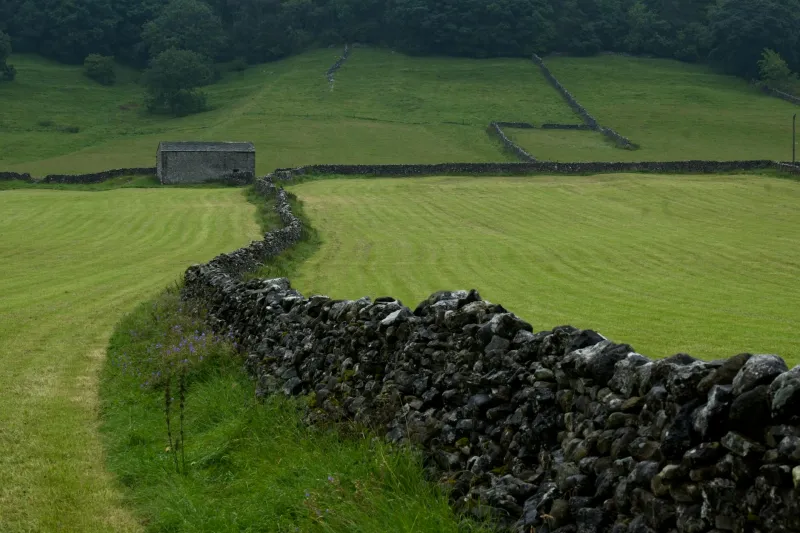
Nestled in a fold of the Yorkshire Dales, the village of Kettlewell looks like something from a picture postcard. Stone cottages huddle around a village green, dry stone walls snake up impossible hillsides, and the local pub—the Blue Bell—hasn't changed its interior since 1973. Which is exactly why television producers can't stay away.
"We've had Emmerdale, All Creatures Great and Small, Happy Valley, and about fifteen period dramas I can't even remember the names of," sighs Margaret Thornton, who runs the village post office. "Last month they turned my shop into a Victorian apothecary. Didn't even ask—just showed up with fake medicine bottles and started filming."
Kettlewell represents something precious in the television world: a place that looks exactly like what directors imagine when they close their eyes and think 'quintessentially British village.' No modern housing estates. No mobile phone masts. No chain stores. Just limestone, sheep, and the kind of timeless beauty that makes location scouts weep with joy.
But Kettlewell's secret weapon isn't just its looks—it's its people. After decades of film crews descending on their village, locals have developed an almost supernatural ability to vanish whenever cameras start rolling. They know which roads to avoid, which times to stay indoors, and how to keep their cars out of shot without being asked.
The Coastal Con Artists
Five hundred miles north, the fishing village of Craster in Northumberland has perfected an entirely different kind of television magic. This tiny coastal settlement, famous for its kippers and its ruined castle, has managed to convince viewers that it's everywhere from rural Scotland to the Irish coast, depending on which way the cameras point.
"It's all about the angles," explains local fisherman and part-time location assistant Dave Robson. "Point the camera inland, and we're the Scottish Highlands. Point it out to sea, and we could be anywhere from Cornwall to the Outer Hebrides. The producers love it because they get five locations for the price of one."
Craster's chameleon-like qualities have made it a favourite for period dramas and contemporary thrillers alike. The village has stood in for a dozen different locations in Vera, transformed into a medieval settlement for various historical documentaries, and even pretended to be a remote Irish fishing village in a recent BBC drama.
The secret lies in the village's remarkable lack of distinctive features. While places like Whitby or Robin Hood's Bay are instantly recognisable, Craster manages to look generically Northern, which in television terms makes it invaluable.
The Mill Town That Became Everywhere
In the heart of Lancashire, the former mill town of Hebden Bridge has carved out an unlikely niche as British television's most versatile backdrop. Part industrial heritage, part bohemian enclave, part traditional Yorkshire market town, Hebden Bridge can convincingly portray virtually any Northern community from the past 150 years.
"We've been a Victorian mill town, a 1960s working-class community, a modern hipster haven, and about six different versions of Manchester over the years," lists local councillor Janet Battersby. "The film crews love us because we've got everything they need within walking distance—canals, mills, terraced houses, countryside, even a decent coffee shop for the crew."
Hebden Bridge's secret lies in its layers. The town's industrial past provides authentic Victorian and Edwardian backdrops, while its more recent reinvention as an artistic community offers contemporary settings. Clever camera work can isolate whichever era the production requires, making it possible to film multiple time periods in the same location.
The local community has embraced its role as a television chameleon. Residents routinely move their cars to accommodate period dramas, shop owners willingly swap their modern signs for period-appropriate alternatives, and the local council has streamlined its filming permit process to the point where productions can be up and running within days of making contact.
The Pennine Time Machine
High in the Pennines, the village of Haworth has developed a peculiar relationship with television production. Famous as the home of the Brontë sisters, it should be a natural choice for period dramas. Instead, it's become the go-to location for productions that need to show the passage of time.
"We've got everything from medieval cottages to Victorian terraces to 1960s council houses, all within a square mile," explains local historian Peter Standring. "Directors can show a character's entire life story just by walking them through different parts of the village."
This architectural diversity has made Haworth invaluable for productions that span multiple decades. The village has provided settings for family sagas, historical documentaries, and even science fiction productions that needed to show different time periods. The key is knowing which streets to use for which eras—knowledge that local residents guard jealously and share only with productions that treat the village with respect.
The Moors That Never Sleep
The vast expanses of the North Yorkshire Moors might seem like an unlikely television hotspot, but these seemingly empty landscapes have become essential to British drama. From Heartbeat to All Creatures Great and Small, from The Yorkshire Ripper documentaries to contemporary crime thrillers, the moors provide the kind of dramatic backdrops that make ordinary stories feel epic.
"There's something about the scale that changes everything," observes location scout Rachel Morrison, who's worked on dozens of productions across the moors. "Put two characters on a street corner, and they're having a conversation. Put them on the moors, and suddenly they're having a conversation about life itself."
The moors' television appeal lies in their emotional versatility. The same landscape can feel romantic in golden hour light, sinister in fog, or melancholy under grey skies. Productions return again and again because the moors never look exactly the same twice, providing infinite variations on the same essential dramatic backdrop.
The Economic Engine
What these hidden television villages share isn't just photogenic qualities—it's an understanding of the economic opportunities that filming brings. Even a small production can inject thousands of pounds into a local economy through accommodation, catering, equipment hire, and location fees.
"A three-day shoot might only employ a dozen locals directly, but the crew of sixty needs feeding, housing, and entertaining," explains tourism officer Sarah Henderson from the Yorkshire Dales National Park. "That money goes straight into local businesses—the pub, the B&Bs, the shop, the garage. It's a lifeline for communities that might otherwise struggle economically."
This economic reality has created a network of television-friendly villages across the North, each specialising in particular types of production. Some excel at period dramas, others at contemporary thrillers. Some can provide Victorian London, others offer timeless rural Britain. Together, they form an invisible infrastructure that makes British television possible.
The Future of Hidden Britain
As streaming services demand ever more content and production budgets come under increasing pressure, these secret Northern locations are becoming more valuable than ever. They offer authenticity, versatility, and value for money—three things that modern television production desperately needs.
The challenge is maintaining the balance between economic opportunity and community life. Too much filming can disrupt local routines and change the character of places that derive their television appeal from their unspoiled nature.
"We want the work," admits Margaret Thornton from Kettlewell. "But we also want to stay the kind of place that television wants to film. It's a delicate balance, but so far, we're managing it."
And long may they continue. Because without these hidden gems scattered across the Northern landscape, British television would lose something essential—the sense that these stories are happening in real places, among real people, in communities that exist beyond the cameras and the credits.
Somewhere in the Dales tonight, a location scout is probably driving through a village that viewers have seen a dozen times without ever knowing its name. And that's exactly how both the village and the scout prefer it.