The Sticky Floor Universities of Comedy
Long before comedy became corporate entertainment, the North's working men's clubs, pub back rooms, and converted cellars were churning out the comedic talent that would define British television for decades. These weren't glamorous venues—they were grimy, unforgiving spaces where comedians learned their craft the hard way, one heckle at a time.
The northern comedy circuit operated by different rules than its southern counterpart. There was no room for pretension, no patience for clever-clever wordplay that went over punters' heads. If you could make a room full of factory workers laugh after they'd finished a twelve-hour shift, you had something special. If you couldn't, you'd better find another job.
This brutal honesty created a unique comedic sensibility that prized authenticity over sophistication, substance over style. It was comedy stripped down to its essential elements—timing, truth, and the ability to find humour in life's hardships.
The Working Men's Club Revolution
The backbone of northern comedy was the working men's club circuit—venues like Batley Variety Club, the Wakefield Theatre Club, and countless smaller establishments across Yorkshire, Lancashire, and beyond. These weren't just entertainment venues; they were community centres where comedy served a vital social function.
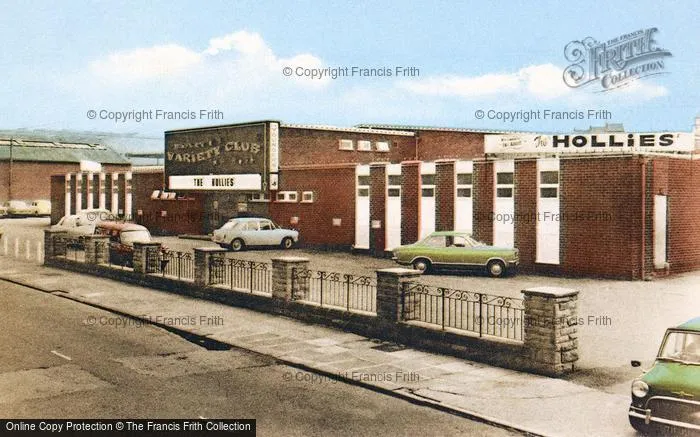 Photo: Batley Variety Club, via photos.francisfrith.com
Comedians who cut their teeth in these clubs learned to read rooms with surgical precision. A joke that killed in Manchester might die in Sheffield, not because of quality, but because of subtle cultural differences that only experience could teach. This hyper-local awareness would later serve them well on television, where understanding your audience was everything.
The club circuit also demanded versatility. Comedians couldn't rely on a single style or persona—they needed to adapt to different audiences, different moods, different nights of the week. This flexibility became their secret weapon when they eventually moved into television, where the ability to work across formats was invaluable.
Liverpool's Laughter Laboratory
Liverpool's comedy scene deserves special mention for its role in shaping British humour. The city's unique blend of wit, wordplay, and working-class wisdom created a comedic tradition that influenced everyone from Ken Dodd to more recent television stars.
The Cavern Club, famous for launching The Beatles, also hosted comedy nights that showcased Liverpool's distinctive humorous voice. The city's comedians developed a rapid-fire delivery and razor-sharp observational skills that came from growing up in a place where wit was both defence mechanism and social currency.
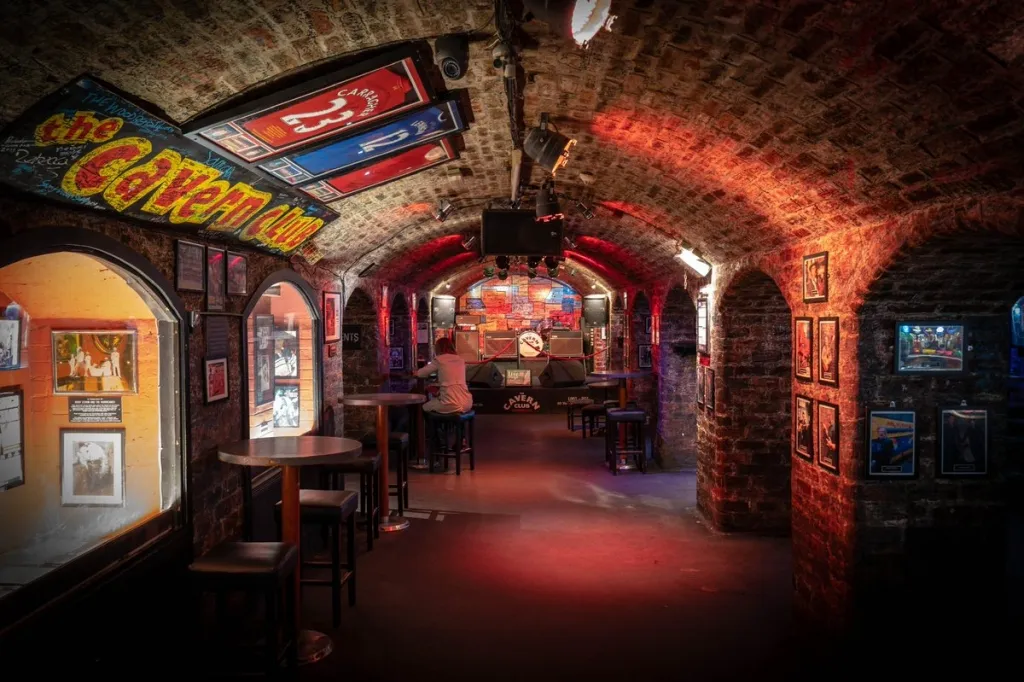 Photo: The Cavern Club, via www.cavernclub.com
This Scouse sensibility—self-deprecating but never self-pitying, quick but never cruel—became a template for British television comedy. The ability to find humour in adversity, to laugh at yourself before others could laugh at you, became hallmarks of the best British comedy writing.
Sheffield's Steel-Forged Humour
Sheffield's comedy scene reflected the city's industrial heritage—tough, uncompromising, and built to last. The city's clubs and pubs produced comedians who understood that humour was often the only thing that got people through hard times.
The collapse of the steel industry in the 1980s actually strengthened Sheffield's comedy scene. Unemployed steelworkers turned to comedy nights for entertainment they could afford, creating packed rooms of audiences who demanded value for money. Comedians who could make these audiences laugh had mastered something essential—the ability to find joy in the midst of struggle.
This Sheffield school of comedy emphasised storytelling over one-liners, character over catchphrases. The city's comedians became master storytellers, able to spin everyday experiences into comedic gold. When they eventually moved into television, they brought this narrative skill with them, helping to create more sophisticated comedy formats.
Leeds and the University Circuit
Leeds occupied a unique position in the northern comedy ecosystem, bridging the gap between working-class club comedy and the emerging alternative circuit. The city's large student population created demand for different types of comedy, while its industrial heritage kept comedians grounded in real-world concerns.
Venues like the Duchess of York and City Varieties became testing grounds for comedians who would later dominate television panel shows and sitcoms. The mix of students, workers, and comedy tourists created audiences that demanded both intelligence and accessibility—a combination that proved perfect preparation for television success.
The Leeds scene also fostered collaboration between comedians, writers, and performers in ways that other circuits didn't. This collaborative spirit would later prove invaluable in television, where successful comedy often depended on teams working together rather than individual brilliance.
The Northern Comedy DNA
What made northern comedy special wasn't just the venues or the audiences—it was the distinctive comedic DNA that evolved from the region's culture and history. Northern comedy was fundamentally democratic, assuming that everyone had stories worth telling and struggles worth laughing about.
The best northern comedians never punched down—they found humour in their own experiences, their own communities, their own failings. This self-awareness and empathy created comedy that was both hilarious and deeply human, qualities that translated perfectly to television.
Northern comedy also prized economy—every word had to earn its place, every pause had to serve a purpose. This discipline came from performing in rooms where attention was hard to win and easy to lose. When these comedians moved into television, they brought this efficiency with them, creating comedy that was lean, focused, and devastatingly effective.
The Television Migration
As television comedy evolved in the 1980s and 1990s, producers increasingly looked north for fresh talent. The alternative comedy movement had shown that audiences were hungry for authentic voices, and the northern circuit was full of comedians who had spent years perfecting their craft in front of the toughest crowds in the country.
The transition wasn't always smooth—television required different skills than live performance. But the best northern comedians adapted, bringing their hard-won understanding of timing, character, and audience psychology to the small screen.
More importantly, they brought their values—the belief that comedy should reflect real life, that humour could be found in the most ordinary circumstances, and that the best comedy came from truth rather than artifice.
The Lasting Legacy
Today's British television comedy still bears the influence of those grimy northern clubs and their unforgiving audiences. The emphasis on character over caricature, story over setup, authenticity over artifice—these principles were forged in venues where failure meant genuine humiliation and success meant genuine respect.
The northern comedy circuit proved that great comedy didn't need expensive venues or sophisticated audiences—it needed honesty, hard work, and the courage to find laughter in life's inevitable disappointments. That lesson continues to influence British comedy today, ensuring that television's funniest voices often still carry the distinctive cadences of the North.