Every evening at half past seven, millions of Brits settle into their sofas as those familiar opening notes drift from their tellies. Whether it's the gentle trumpet that signals another trip down Coronation Street or the sweeping orchestral themes that transport us to period dramas, these musical moments have become as British as a proper brew. What many don't realise is that behind these iconic sounds lies a rich tapestry of Northern talent – composers, musicians, and studios who've been quietly shaping the emotional landscape of British television for generations.
The Northern Sound That Conquered the Nation
It's no coincidence that British television's most enduring themes often carry the DNA of Northern England's musical heritage. The region's industrial past, with its brass bands echoing through mill towns and mining communities, created a unique sonic palette that television composers have drawn upon for decades. This isn't just about geography – it's about understanding the soul of working-class Britain and translating that into music that resonates in sitting rooms from Sunderland to Southampton.
Take Tony Hatch, the composer behind Coronation Street's immortal theme tune. Though not Northern-born, Hatch understood that to capture the essence of Weatherfield, he needed to channel the spirit of Manchester's terraced streets. That gentle trumpet melody, recorded back in 1960, didn't just announce a television programme – it became the musical embodiment of Northern community spirit, family bonds, and the resilience that defines the region.
From Mill Towns to Recording Studios
The journey from Northern England's musical traditions to television gold often began in the most unlikely places. Former textile towns like Oldham and Rochdale, once famous for cotton mills, quietly became hotbeds of musical innovation. Local musicians who'd grown up playing in colliery bands or church orchestras found themselves session players on some of Britain's most beloved television themes.
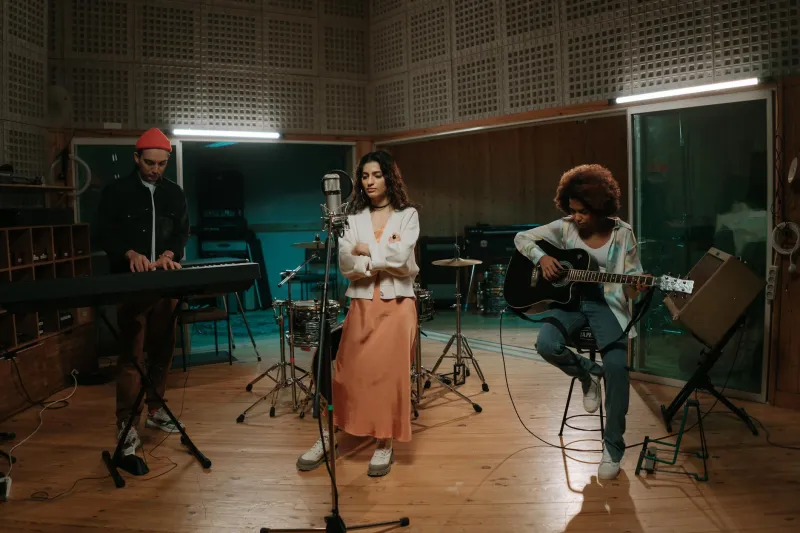
In the 1970s and 80s, studios across Yorkshire and Lancashire became unlikely powerhouses of television music production. These weren't the glamorous facilities of London's Denmark Street – they were often converted warehouses or former cinemas, where Northern musicians brought their distinctive approach to everything from detective drama stings to children's television jingles.
The secret weapon? An innate understanding of melody that speaks to ordinary people. Northern composers didn't write for critics or awards ceremonies – they wrote for the mums and dads, the grandparents and kids who made up British television's core audience. This grassroots approach created themes that didn't just accompany programmes – they became part of the national consciousness.
The Brass Band Legacy
You can't discuss Northern England's contribution to television music without acknowledging the brass band tradition that runs through the region like a golden thread. From the Yorkshire Dales to the Lancashire mill towns, brass bands have been the soundtrack to Northern life for over a century. When television producers needed music that conveyed community, tradition, and emotional depth, they invariably turned to composers who understood this heritage.
The influence shows up in unexpected places. That stirring theme from 'All Creatures Great and Small'? Pure Yorkshire brass band DNA, translated into orchestral form. The opening music for 'Last of the Summer Wine'? It carries the same gentle melancholy that characterised the amateur brass ensembles of West Yorkshire's hilltop villages.
Even modern productions can't escape this influence. When 'Happy Valley' needed a theme that captured both the beauty and the underlying tension of the Calder Valley, composers reached for that same brass-influenced palette that has defined Northern television music for decades.
The Session Musicians' Stories
Behind every memorable television theme lies an army of session musicians, many of whom called the North home. These were the trumpet players who'd learned their craft in Salvation Army bands, the violinists who'd started in youth orchestras in places like Huddersfield or Preston, the pianists who'd accompanied chapel choirs before finding themselves in television studios.
Their stories are rarely told, but their contributions are immeasurable. The haunting harmonica on 'The Onedin Line'? Played by a former miner from County Durham. The distinctive guitar work on countless ITV drama themes? Often the product of musicians who'd cut their teeth in Northern working men's clubs.
These artists brought something special to television music – an authenticity that came from lived experience. They understood the emotional landscapes they were scoring because they'd grown up in the communities these programmes depicted.
The Modern Renaissance
Today's television landscape might be dominated by streaming services and global productions, but Northern England's influence on British television music continues to evolve. Contemporary composers like Murray Gold, who crafted the modern 'Doctor Who' themes, carry forward that tradition of creating music that speaks to the heart rather than the head.
The region's musical DNA continues to influence everything from period dramas to contemporary crime series. When 'Line of Duty' needed a theme that conveyed both urgency and moral complexity, the composers drew on the same Northern sensibilities that have been shaping British television for generations.
A Legacy Written in Sound
As we settle down for another evening's viewing, those opening notes still have the power to transport us. They're more than just television themes – they're the musical equivalent of a warm embrace, a reminder of home, community, and the shared experiences that bind us together.
The next time you find yourself humming along to a favourite television theme, remember the Northern musicians, composers, and studios who helped create that moment of connection. From brass bands to binge-watching, their legacy lives on in every note, continuing to provide the heartbeat for British television's greatest stories.
In a world where television has become increasingly global, these Northern-influenced themes remain defiantly, proudly local – and that's exactly why they continue to resonate with audiences who recognise something of themselves in every melody.