The Return of Real Life
Something interesting happened during the great streaming wars of the last few years. While everyone was throwing millions at fantasy epics and superhero spectacles, quietly building audience in the background was a much humbler format: the Northern docusoap.
Not the glossy, manufactured reality of Love Island or Made in Chelsea, but the proper stuff – real people doing real jobs in real Northern locations, with all the mundane magic that made Driving School and Airport such compulsive viewing back in the day.
The numbers don't lie. Manchester Airport's latest fly-on-the-wall series pulled in over 4 million viewers for its finale. Royal Blackburn Hospital's documentary strand has become one of BBC iPlayer's most-watched factual series. Even local council-based formats are finding audiences that would make primetime drama commissioners weep with envy.
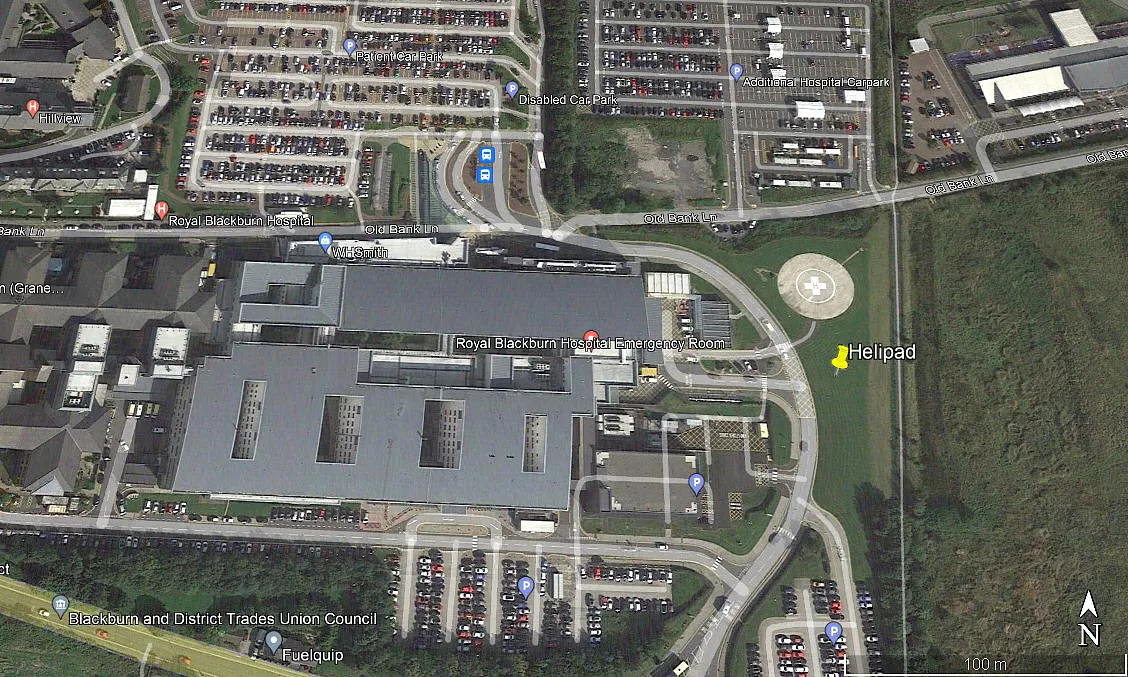 Photo: Royal Blackburn Hospital, via www.ukairfieldguide.net
 Photo: Manchester Airport, via maccosim.com
"There's definitely something happening," acknowledges commissioning editor Lisa Park, whose department has greenlit more Northern-set documentary programming in the last two years than the previous decade combined. "Audiences are hungry for authenticity, and nothing feels more authentic than watching real Northerners dealing with real situations."
The Streaming Sweet Spot
The revival isn't happening in traditional television slots, though. These new Northern docusoaps are finding their natural home on streaming platforms, where binge-watching culture has created perfect conditions for the format to flourish.
"The old model was one episode a week, building audience slowly over months," explains veteran documentary producer Tom Harrison, whose company has produced over twenty hours of Northern docusoap content in the last year alone. "Streaming lets people discover these shows organically and consume them at their own pace. Someone might stumble across episode three of our Yorkshire ambulance series and end up watching the entire season in one sitting."
This viewing pattern has allowed commissioners to take risks on more niche Northern subjects. Where traditional broadcasters might have balked at a six-part series following pest control operatives in Oldham, streaming platforms are happy to let audiences find their own entertainment.
"The algorithm doesn't care if your subject matter is glamorous," notes streaming executive Sarah Chen. "It just cares if people watch. And people absolutely watch authentic Northern content. There's something about the combination of regional character and real-life drama that's incredibly compelling."
The New Authenticity
What sets these modern Northern docusoaps apart from their nineties predecessors isn't just the technology – it's the approach. Where older formats sometimes felt exploitative, trading on Northern stereotypes for southern entertainment, the current wave treats its subjects with genuine respect.
"We're not looking for characters," insists documentary director Rachel Morrison, whose series following a Blackpool hotel through a full season has become an unexpected hit. "We're looking for people. Real people dealing with real challenges, and we're trying to show their lives with dignity and honesty."
This shift reflects broader changes in documentary ethics, but it's particularly important for Northern subjects who have often found themselves portrayed as either comic relief or poverty porn for metropolitan audiences.
"There's been a real effort to let Northern voices speak for themselves," explains media studies lecturer Dr. James Wright, who has written extensively about regional representation in British television. "Instead of imposed narratives about grit and hardship, you're seeing stories that reflect the full complexity of Northern life – the humour, the resilience, the community spirit, but also the everyday mundanity that makes these places feel real."
The Economics of Ordinary
From a production perspective, Northern docusoaps offer compelling economics in an increasingly expensive television landscape. While scripted drama budgets spiral ever upward, these documentary formats can deliver substantial viewing figures at a fraction of the cost.
"You're not paying for writers, actors, or elaborate sets," explains indie producer Marcus Webb. "Your biggest expenses are crew, equipment, and time. But if you pick the right subject and build genuine relationships with your contributors, the content basically creates itself."
This economic efficiency has made Northern docusoaps particularly attractive to smaller production companies looking to break into the streaming market. Several Manchester-based indies have built their entire business models around regional factual content.
"We can turn around a six-part series for less than the catering budget on a major drama," admits one producer who asked not to be named. "And if it finds an audience, the returns can be spectacular. It's democratised television production in a way that's particularly beneficial for Northern companies."
The Community Factor
Perhaps the most significant development in the modern Northern docusoap renaissance is how these programmes have become genuine community events. Social media has created new ways for audiences to engage with the people and places they're watching.
"We'll get thousands of messages during transmission," explains Tom Harrison. "People sharing their own experiences, offering support to contributors, even organising meet-ups and fundraising events. It's created a level of audience investment that scripted drama can rarely match."
This community engagement extends beyond the screen. Several recent series have generated significant tourism for their featured locations, with viewers travelling specifically to visit the places they've watched on television.
"The economic impact for local businesses has been incredible," notes Blackpool Council's tourism officer Janet Mills. "We've had people booking holidays specifically because they saw our town featured in that hotel documentary. They want to experience the place they've been watching, meet the people they've gotten to know."
The Global Appetite
Surprisingly, Northern docusoaps are also finding international audiences. Streaming platforms report significant overseas viewing figures for British regional content, particularly in English-speaking markets.
"There's something about Northern British culture that translates really well internationally," suggests streaming executive Sarah Chen. "The humour, the directness, the sense of community – it feels authentic in a way that a lot of television doesn't. American viewers, in particular, seem fascinated by these glimpses into real British working life."
This international interest has led to format sales, with several Northern docusoap concepts being adapted for overseas markets. The irony isn't lost on producers that formats once considered too regional for national television are now being exported globally.
The Challenges Ahead
Despite the current success, industry insiders acknowledge that the Northern docusoap revival faces significant challenges. The format's popularity has led to market saturation, with every airport, hospital, and hotel seemingly developing its own series.
"There's a risk of overexposure," warns veteran commissioner Lisa Park. "Audiences are quite sophisticated – they can tell when something feels genuine and when it's just jumping on a bandwagon. The challenge is maintaining quality while meeting demand."
There are also concerns about the long-term sustainability of the format. As production increases, finding genuinely compelling subjects becomes more difficult, and there's pressure to manufacture drama where none naturally exists.
"The moment you start pushing contributors to create storylines, you've lost what makes these programmes special," insists Rachel Morrison. "The authenticity is everything. Without that, you're just making bad reality television."
The Bigger Picture
The Northern docusoap renaissance reflects broader shifts in how audiences consume and value television content. In an era of increasing artificiality, there's clearly a hunger for genuine human stories told without manipulation or agenda.
"People are tired of being sold to," suggests Dr. James Wright. "They want content that feels real, that reflects lives and experiences they recognise. Northern docusoaps provide that in spades – they're entertainment that doesn't feel manufactured."
Whether this revival has the staying power of its nineties predecessor remains to be seen. But for now, Northern docusoaps are providing something increasingly rare in modern television: genuine authenticity in an artificial world.
As streaming platforms continue to hunt for content that cuts through the noise, the humble Northern docusoap might just be the secret weapon nobody saw coming. After all, in a media landscape obsessed with the extraordinary, sometimes the most radical thing you can do is show ordinary people living ordinary lives with extraordinary dignity.