The Gravy Train That Never Stops
There's something magical about watching someone tuck into a proper chip butty on screen. Not just any old sandwich, mind – it has to be the real deal, with proper chips, decent bread, and enough butter to make your arteries weep. It's a moment that speaks to millions of viewers across Britain, but particularly those of us up North who recognise the ritual, the reverence, the sheer bloody-minded commitment to getting it right.
This isn't coincidence. For decades now, television producers have cottoned on to something food critics and fancy restaurant reviewers still don't quite grasp: Northern food culture isn't just about sustenance, it's about storytelling. Every steaming pie, every perfectly brewed cuppa, every lovingly prepared Sunday roast carries with it layers of meaning that resonate far beyond the screen.
More Than Just Props in the Pantry
Sarah Mitchell, a food stylist who's worked on everything from Coronation Street to Happy Valley, puts it best: "When I'm dressing a set with Northern food, I'm not just filling a plate. I'm creating a character's entire background story. That Lancashire hotpot tells you about their mum, their childhood, their values, their bank balance – all before they've even taken a bite."
It's this authenticity that separates Northern food culture from its southern counterparts on screen. While London-based dramas might feature characters picking at expensive salads or grabbing artisanal coffee, Northern shows understand that food is community. It's the glue that holds families together, the excuse for neighbours to pop round, the peace offering after a row.
Take Coronation Street's legendary Rovers Return. The pub's kitchen has served up more than just pints over the decades – it's been the backdrop for confessions, confrontations, and reconciliations. Betty's hotpot became as much a character as any of the regulars propping up the bar. When Betty Williams passed away in 2012, the show didn't just lose an actress; it lost a culinary institution that had defined the programme's relationship with Northern food culture for over four decades.
The Great British Authenticity Test
The Great British Bake Off's decision to pitch its tent in the grounds of Welford Park might seem like a quaint aesthetic choice, but it's actually broadcasting genius. The rolling countryside of Berkshire provides the perfect pastoral backdrop, but it's the show's celebration of traditional Northern baking that really captures hearts.
Judge Paul Hollywood, despite his Hollywood surname, is pure Wallasey through and through. His appreciation for a proper stottie cake or his grandmother's bread recipes brings Northern sensibilities to a national stage. When contestants attempt Yorkshire parkin or Eccles cakes, they're not just baking – they're paying homage to generations of Northern bakers who perfected these recipes in working-class kitchens.
"Food on television has to feel lived-in," explains Mark Thompson, a set designer who's worked on numerous Northern-based productions. "You can't just plonk down a fancy charcuterie board and expect Northern audiences to connect. They want to see the kind of food their nan made, the stuff that actually means something to real families."
Chips with Everything (And We Mean Everything)
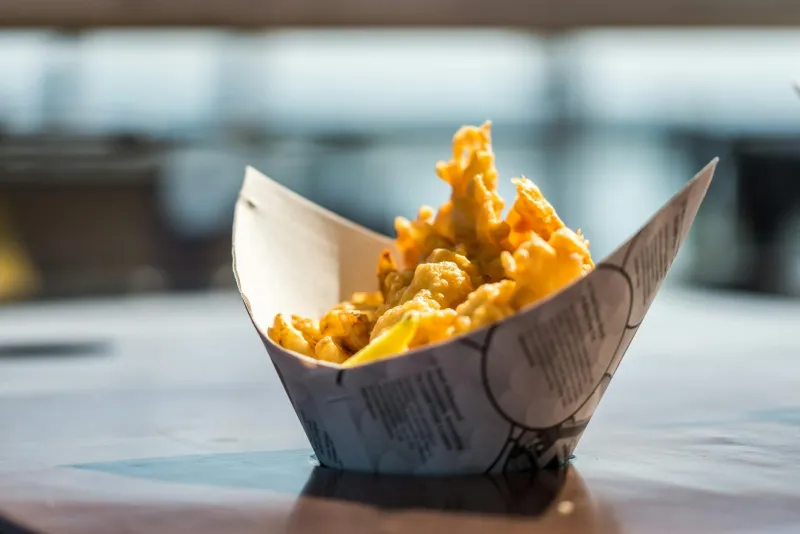
Perhaps no single food item represents Northern television culture quite like the humble chip. Not the skinny French fries you get in chain restaurants, but proper chips – thick, fluffy, golden, and absolutely essential to any self-respecting Northern drama.
From the iconic chip shop scenes in Phoenix Nights to the countless times EastEnders characters have bonded over a bag of chips (despite being set in London, the show's working-class roots demand proper Northern comfort food), chips serve as visual shorthand for authenticity, community, and unpretentious pleasure.
The psychology behind this is fascinating. Dr. Emma Richardson, who studies food representation in British media at Manchester Metropolitan University, notes: "Chips represent accessibility. They're democratic food – everyone can afford them, everyone understands them, and they bring people together. When you see characters sharing chips on screen, you're witnessing a fundamentally Northern approach to hospitality and community."
Beyond the Barm Cake: Regional Specificity Matters
What separates truly great Northern television from shows that simply pay lip service to regional culture is attention to culinary detail. It's not enough to stick a meat pie in front of an actor and call it authentic – audiences can spot the difference between genuine regional specialities and generic "Northern food."
Shows like Last of the Summer Wine understood this implicitly. The programme's frequent café scenes weren't just comic interludes; they were celebrations of Yorkshire's specific food culture. The endless debates over proper tea brewing, the reverence for a good Yorkshire pudding, the suspicious attitude towards anything too fancy – these elements created a believable world where food reflected character and community values.
Similarly, When the Boat Comes In didn't just feature generic working-class meals. The show's attention to Tyneside's specific culinary traditions – from proper stottie cakes to the ritual of Sunday dinner – helped establish its authentic sense of place and time.
The New Generation Gets It
Today's television producers seem to understand this dynamic better than ever. Shows like This Is England '86, '88, and '90 used food as a constant reminder of their characters' Northern working-class identity. The careful attention to period-appropriate snacks, the emphasis on home cooking over restaurant meals, the way characters bond over shared meals – it all contributes to the shows' overwhelming sense of authenticity.
Even newer productions are getting in on the act. Happy Valley's Sarah Lancashire is frequently shown making proper Northern meals, and these scenes aren't just character development – they're cultural affirmation. Every time Catherine Cawood puts the kettle on or prepares a simple meal, she's reinforcing the show's commitment to representing real Northern life, not some sanitised television version of it.
The Secret Ingredient
Ultimately, Northern food culture succeeds on British television because it understands something fundamental about storytelling: the best drama comes from truth, not artifice. A bag of chips shared between friends carries more emotional weight than the fanciest restaurant scene because it reflects how real people actually live, eat, and connect with each other.
As long as British television continues to value authenticity over aspiration, Northern food culture will remain its most reliable supporting character – never the star, but always essential to the story being told.