The Faces That Launched a Thousand Tea Times
Every evening at half-past six, something magical happened in living rooms across the North. While the rest of the country tuned into faceless national broadcasts, northerners settled in with presenters who felt more like family than celebrities. These weren't distant London figures reading autocues—these were our neighbours, sharing our weather, celebrating our victories, and mourning our losses.
The regional news phenomenon created something unique in British broadcasting: genuine local celebrities who commanded more loyalty and affection than any national star. In an era before social media and 24-hour news cycles, these presenters became the trusted voices that millions relied upon to make sense of their world.
Granada's Golden Generation
Granada Reports set the gold standard for regional journalism, and its presenters became household names throughout the North West. The programme's approach was revolutionary—treat local news with the same seriousness as national events, and never talk down to your audience.
Bob Greaves epitomised this philosophy. For over three decades, his warm Geordie tones guided viewers through everything from factory closures to royal visits. Greaves understood that great regional television wasn't about being parochial—it was about recognising that local stories mattered just as much to local people as anything happening in Westminster.
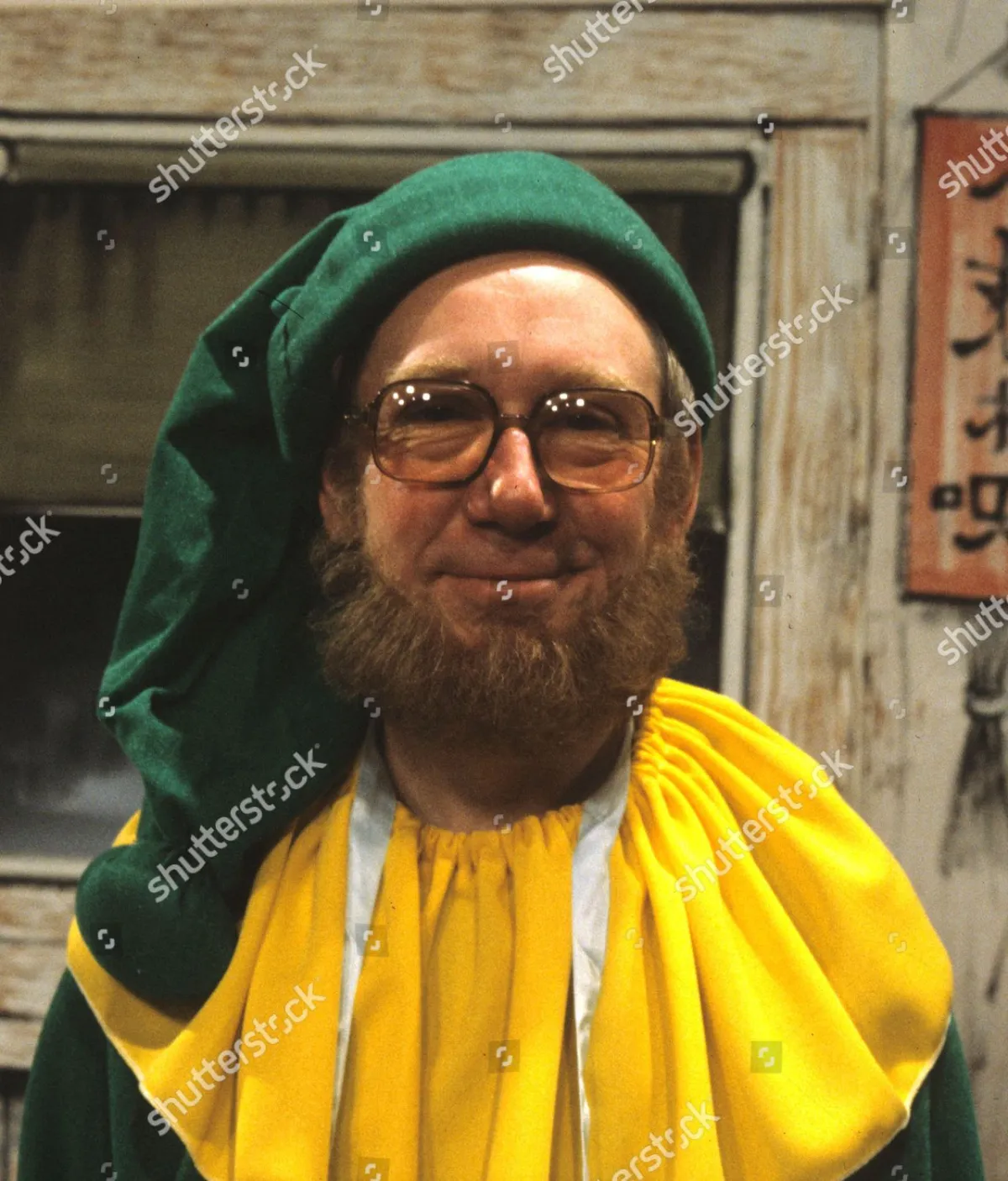 Photo: Bob Greaves, via editorial01.shutterstock.com
Tony Wilson, before his Factory Records fame, cut his teeth on Granada Reports, bringing a punk rock sensibility to regional journalism that nobody expected. His interviews were legendary—probing, irreverent, and utterly compelling. Wilson proved that regional television could be a launching pad for national influence, even if he eventually found his fame in music rather than news.
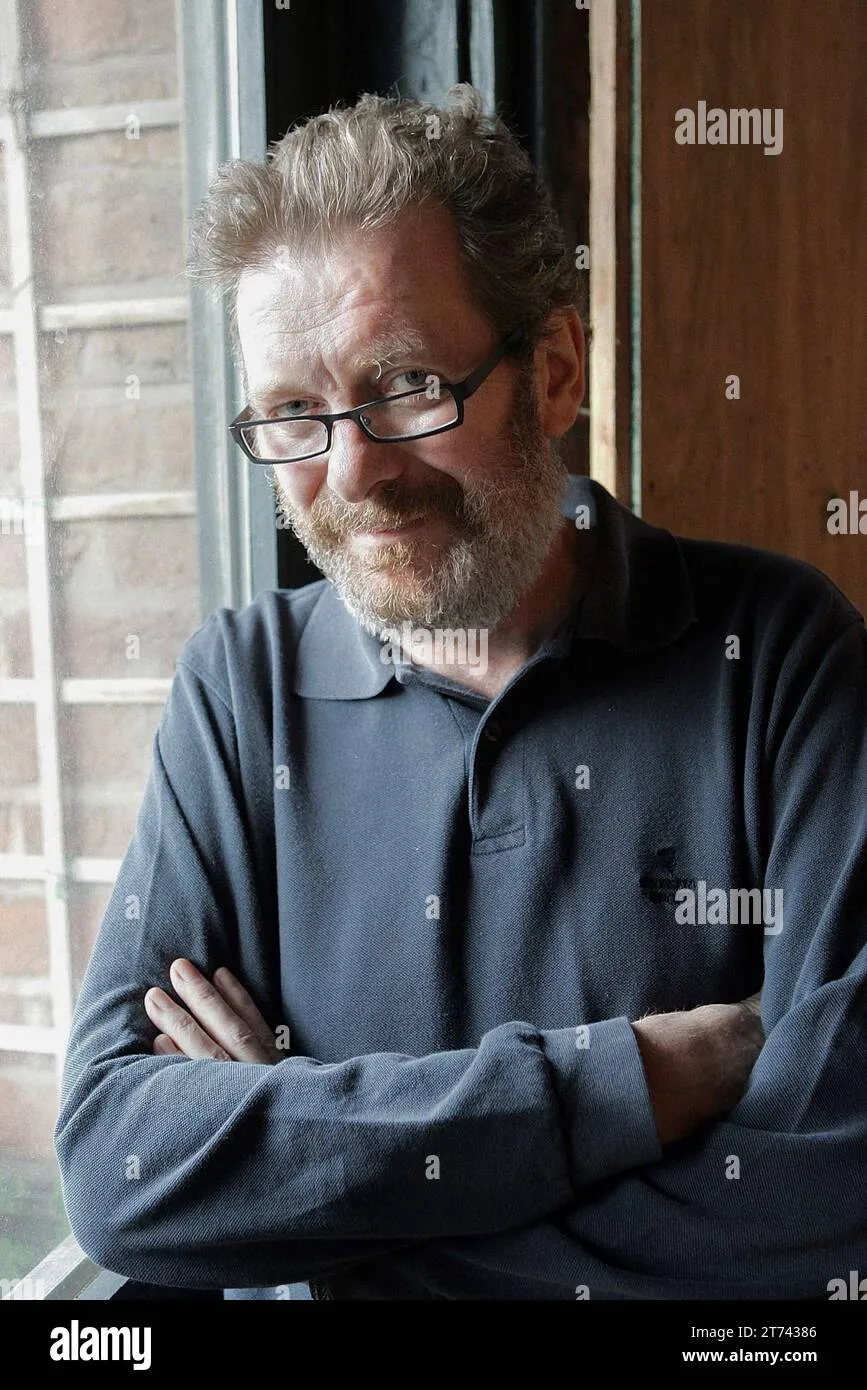 Photo: Tony Wilson, via c8.alamy.com
Yorkshire's Trusted Voices
Look North Yorkshire created its own dynasty of beloved presenters who became synonymous with the region's identity. The programme's strength lay in finding presenters who genuinely understood Yorkshire folk—their pride, their scepticism, and their fierce independence.
Christine Talbot's arrival marked a new era for Yorkshire television. Her no-nonsense approach and obvious affection for the region made her an instant hit with viewers who appreciated straight talking above slick presentation. Talbot's ability to handle everything from serious political interviews to heartwarming community stories with equal skill demonstrated the versatility regional presenters needed to succeed.
Harry Gration became the embodiment of Yorkshire television, his enthusiasm for local cricket matches as genuine as his concern for social issues. Gration's secret was never pretending to be anything other than a Yorkshire lad who'd been lucky enough to get the best job in local television. That authenticity resonated with audiences who could spot a phoney from fifty miles away.
The Calendar Connection
Calendar, serving Yorkshire and Lincolnshire, developed its own distinctive style that mixed serious journalism with a warmth that reflected the region's character. The programme's presenters became trusted figures who could deliver bad news with sensitivity and celebrate good news with genuine joy.
Richard Whiteley's transition from Calendar presenter to Countdown host demonstrated the unique position regional television occupied in the broadcasting ecosystem. His Yorkshire wit and self-deprecating humour, honed during years of regional presentation, made him a national treasure. Yet he never forgot his Calendar roots, often referencing his Yorkshire days during his game show career.
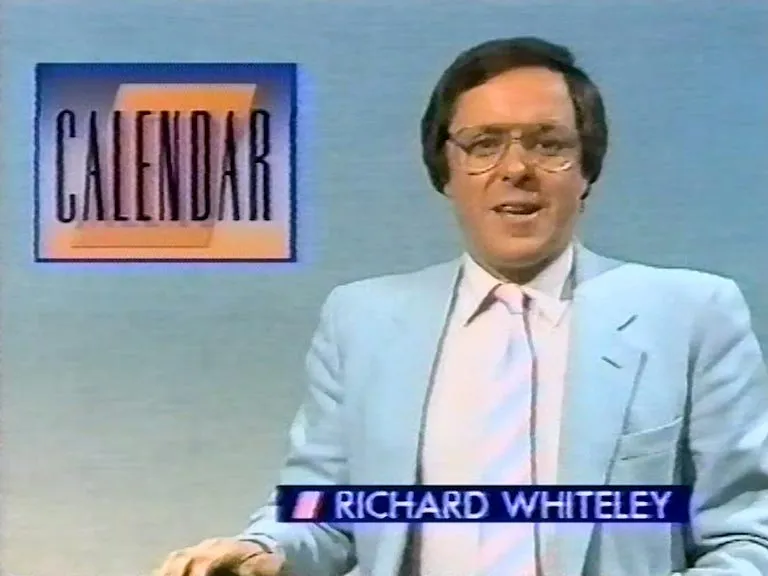 Photo: Richard Whiteley, via tvark.org
The Trust Factor
What separated northern regional presenters from their national counterparts was the relationship they built with their audiences. These weren't distant figures reading news from London—they were part of the community they served. They shopped in the same supermarkets, faced the same weather, and understood the local concerns that national news often overlooked.
This intimacy created unprecedented loyalty. Viewers would switch channels to avoid missing their favourite regional presenter, even if it meant catching the national news later. The presenters became part of the family routine—as essential to the evening as the six o'clock cuppa.
Beyond the Autocue
The best regional presenters understood that their role extended far beyond reading news. They became community ambassadors, charity supporters, and local celebrities who used their platform responsibly. Many became more recognisable than MPs, wielding influence that came from genuine affection rather than political power.
Their community involvement was legendary. Weekend appearances at local fetes, support for regional charities, and genuine engagement with local issues created bonds that national presenters could never replicate. This wasn't corporate social responsibility—it was genuine community membership.
The Changing Landscape
As broadcasting evolved, the role of regional presenters faced new challenges. Budget cuts reduced local programming, while digital television offered viewers countless alternatives to traditional regional news. Yet the best northern presenters adapted, embracing social media and digital platforms while maintaining the personal connection that made them special.
The COVID-19 pandemic actually reinforced the importance of trusted local voices. As national news became increasingly polarised and confusing, viewers returned to regional presenters they trusted for clear, relevant information about local restrictions and community support.
Legacy of Trust
The northern regional presenters of the golden age achieved something remarkable—they proved that local television could be just as professional, engaging, and important as national broadcasting. More importantly, they demonstrated that genuine connection with audiences trumped slick presentation every time.
Their influence extended beyond television, shaping how the North saw itself and how it presented itself to the world. These presenters became the voice of their regions, articulating local pride and concerns with authority that came from genuine understanding and affection.
Today's regional presenters still follow the template established by these pioneers—be authentic, be local, and never forget that the best television happens when presenters and audiences genuinely connect. In an age of global media and social media celebrities, the northern tradition of trusted local voices remains as relevant as ever.