The Local That Launched a Thousand Stories
Walk into any Northern pub worth its salt, and you'll find the same ingredients that have made British television magic for over six decades: community gossip, family feuds, unexpected romance, and the occasional punch-up. It's no coincidence that some of our most beloved TV shows have placed the local boozer at their very heart.
The Rovers Return Inn didn't just give Coronation Street a setting—it gave the show its soul. Since 1960, this fictional Weatherfield watering hole has witnessed more drama than most real pubs see in a lifetime. Births, deaths, marriages, affairs, fires, and even the occasional murder have all played out within its four walls. But why has this particular institution proved so enduringly powerful?
More Than Just a Set
"The pub is the ultimate democratic space," explains former Coronation Street writer Paul Abbott. "In a Northern local, the factory worker drinks alongside the corner shop owner, the pensioner chats to the teenager. It's where class barriers dissolve over a pint of bitter."
This egalitarian spirit has made Northern pubs the perfect microcosm for British society. Unlike the wine bars of London dramas or the coffee shops of American sitcoms, the traditional Northern boozer represents something uniquely British: a place where everyone knows your name, your business, and probably your mum's maiden name too.
The Woolpack in Emmerdale has served this function for the Yorkshire Dales since 1972. Originally filmed at the Falcon Inn in Arncliffe, the fictional pub has become as much a part of the Dales landscape as the dry stone walls and sheep. Current landlady Charity Dingle might pour the pints, but it's the pub itself that's the real star—a constant in a world of ever-changing storylines.
The Architecture of Drama
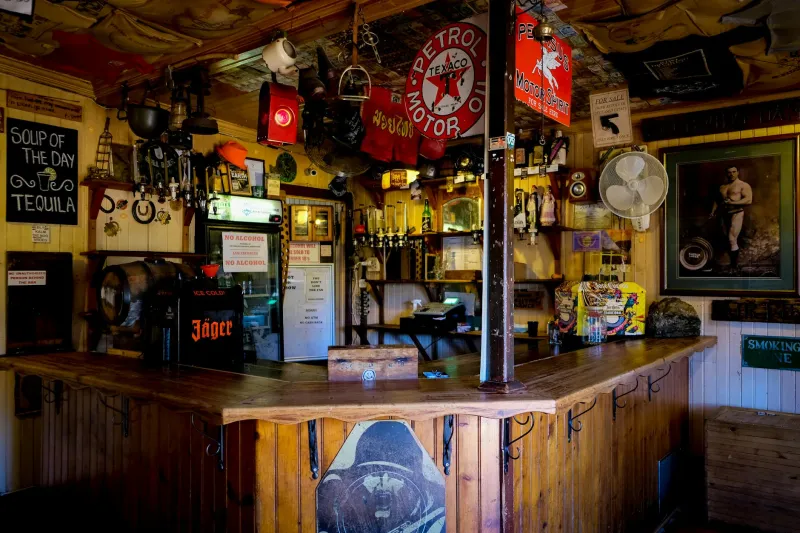
Set designers understand the dramatic potential of the traditional Northern pub layout better than most architects. The snug provides intimate spaces for whispered confessions, the bar creates natural barriers for confrontations, and the back room offers privacy for clandestine meetings. It's a masterclass in spatial storytelling.
"Every corner tells a story," says production designer Mike Long, who worked on various ITV dramas. "The dartboard where feuds are settled, the optics that reflect guilty faces, the stairs leading to private quarters where secrets unfold. A well-designed pub set is like a Swiss Army knife for writers."
The Queen Vic in EastEnders might get more headlines, but it's the Northern pubs that have truly mastered this art. The Rovers' layout, with its iconic bar and back room, has been replicated and referenced countless times across British television. Even when the set was destroyed by fire in real life, the producers knew they had to rebuild it exactly—such is the power of that particular geography.
Beyond the Cobbles
While Coronation Street and Emmerdale dominate the conversation, Northern pubs have provided dramatic backdrops across the television spectrum. From the rough-and-ready locals of Shameless to the cosy community hubs in Heartbeat, these establishments offer writers a ready-made cast of regulars and an endless supply of storylines.
The success isn't just about nostalgia, either. Modern shows like Happy Valley and Last Tango in Halifax continue to feature pubs as central gathering places, proving that the Northern boozer's dramatic appeal transcends generations. Sarah Lancashire's Catherine Cawood might prefer a cup of tea, but even she knows that the local pub is where the real information gets exchanged.
The Real McCoy
Behind every fictional pub lies inspiration from real Northern establishments. The Rovers Return draws heavily from traditional Manchester boozers, while the Woolpack reflects the genuine warmth of Yorkshire's dale-side inns. Many real landlords have found themselves unofficial consultants on authenticity, ensuring that the fictional pints are pulled with proper Northern precision.
"We had researchers come in asking about everything from beer pumps to bar towels," recalls Margaret Thompson, former landlady of the Ship Inn in Holmfirth. "They wanted to know how we'd handle a fight, how gossip spreads, even how we'd react to a celebrity walking in. The attention to detail was incredible."
The Cultural Cornerstone
What makes Northern pubs so perfect for television isn't just their physical layout or social dynamics—it's their role as cultural preservers. In an era of chain restaurants and branded entertainment, the traditional Northern local represents something authentic and unchanging. It's a place where characters can remain true to their roots while navigating modern challenges.
This authenticity resonates with viewers across the UK and beyond. The Rovers Return receives more fan mail than most human characters, and tourists regularly visit Yorkshire specifically to see Emmerdale's filming locations. These fictional pubs have become real cultural landmarks.
Raising a Glass to the Future
As British television continues to evolve, the Northern pub remains a constant. New shows continue to recognise the dramatic potential of these community hubs, while established series know better than to mess with a winning formula. Whether it's serving as a refuge during a storm or hosting the village's biggest celebration, the Northern boozer continues to prove that sometimes the best drama happens where everybody knows your name.
In a world of streaming services and global content, there's something beautifully, stubbornly local about a Northern pub drama. Long may they continue to pull pints and pull at our heartstrings in equal measure.