From the Wireless to the Box: Northern Radio Stars Who Made (and Didn't Make) the TV Leap
The Voice That Launched a Thousand Ships
There's something magical about Northern radio that breeds television gold. Perhaps it's the no-nonsense approach to storytelling, or maybe it's the genuine connection these presenters forge with their communities. Whatever the secret ingredient, the pipeline from local radio stations across Yorkshire, Lancashire, and beyond has been feeding British television with authentic voices for decades.
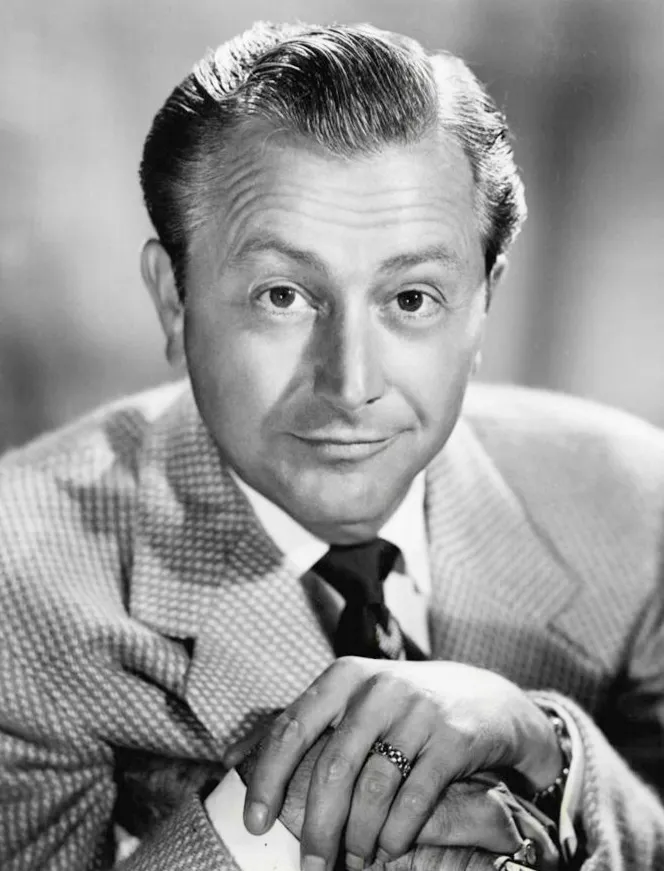
Take Vernon Kay, who started his broadcasting journey at Red Rose Radio in Preston before becoming one of ITV's most recognisable faces. His transition from playing chart hits to hosting prime-time game shows wasn't just about changing mediums – it was about translating that warm Northern accessibility that made him a radio favourite into television gold.
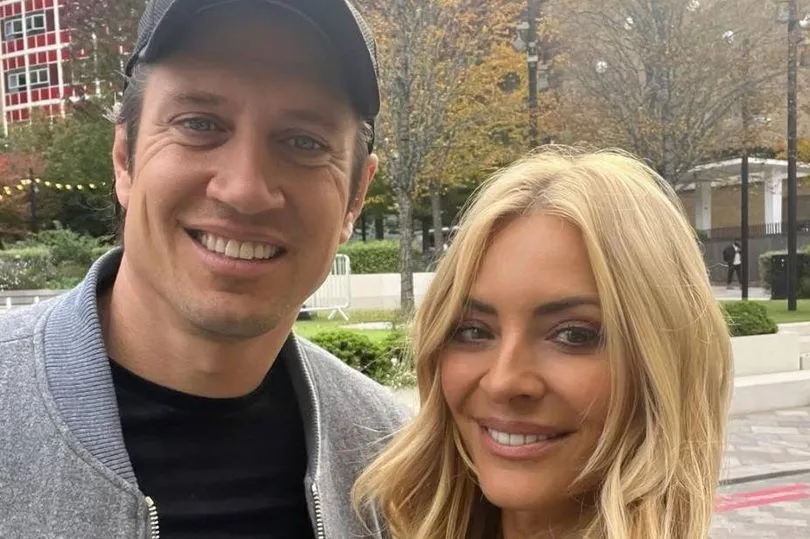 Photo: Vernon Kay, via i2-prod.examinerlive.co.uk
The Great Migration North to South
The traditional route has always been clear: cut your teeth on local radio, build your reputation, then head south to the bright lights of London television. But what's fascinating is how many Northern radio veterans have rewritten this script entirely.
Sarah Cox's journey from Radio City in Liverpool to BBC Radio 1 and then onto television presenting demonstrates the power of staying true to your roots. Her Scouse wit and unfiltered approach, honed through years of early morning radio shows, became her television trademark. The authenticity that made her a radio star didn't need polishing for the cameras – it needed amplifying.
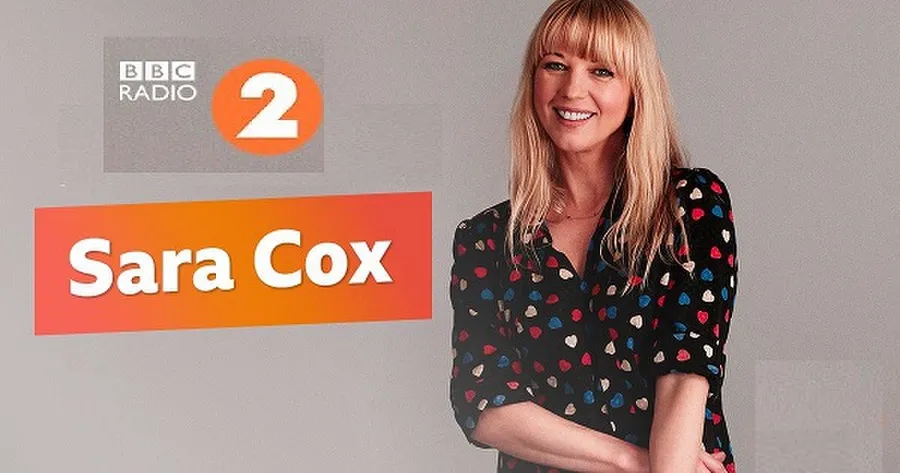 Photo: Sarah Cox, via archive.org
Then there's Paddy McGuinness, whose radio background at Key 103 in Manchester provided the perfect training ground for his later television success. The quick wit required for radio banter translated seamlessly into panel show gold, proving that the skills aren't as different as many assume.
The Ones Who Got Away (And Were Right To)
But here's where the story gets interesting – not everyone who could make the jump actually wants to. Some of Northern radio's biggest legends have turned down television opportunities, recognising that their true calling lies in the intimate relationship between broadcaster and listener.
BBC Radio Leeds' Liz Green has been courted by television producers for years, yet she's remained steadfastly committed to radio. Her reasoning is simple: radio allows for a depth of connection that television often sacrifices for visual spectacle. When she's discussing local issues or championing Northern music, there's an immediacy and authenticity that doesn't need pictures.
Similarly, Hallam FM's Toby Foster has built a broadcasting empire without ever needing to show his face on national television. His satirical take on Sheffield life and politics has earned him a devoted following who tune in specifically for his voice, not his appearance.
The Skills That Transfer (And Those That Don't)
What makes some radio presenters naturals for television while others struggle? The answer often lies in understanding what each medium demands. Radio's greatest strength – the ability to paint pictures with words – can become television's biggest challenge when presenters over-describe what viewers can already see.
The best crossover artists, like Radio City's Pete Price who became a cult television figure, understand that television requires a different kind of energy. Radio's intimate conversation becomes television's broader performance, but the core skill – connecting with your audience – remains unchanged.
The Local Heroes Who Built Empires
Some Northern radio presenters have discovered they can have the best of both worlds. Radio Aire's Martin Kelner built a television career while maintaining his radio roots, proving that you don't have to abandon one medium for the other. His approach – treating television like radio with pictures – kept his authentic voice intact while adapting to visual demands.
The secret seems to be recognising what made you special in the first place. Northern radio's emphasis on community, straight talking, and genuine connection with listeners translates beautifully to television when presenters resist the urge to become something they're not.
Why Radio Remains King for Some
There's something to be said for the radio presenters who've deliberately stayed put. The medium offers creative freedoms that television often constrains. No wardrobe meetings, no lighting concerns, no need to worry about visual continuity – just pure communication between broadcaster and audience.
Moreover, local radio's deep community connections provide a satisfaction that national television can rarely match. When you're the voice that gets a town through its morning commute or the person locals turn to during breaking news, that's a responsibility and privilege that many wouldn't trade for television fame.
The Future of the Airwaves
As streaming services and podcasting reshape broadcasting, the skills that made Northern radio presenters so valuable are more relevant than ever. The ability to create intimate connections, tell compelling stories, and maintain authenticity in an increasingly manufactured media landscape – these are the qualities that both radio and television desperately need.
The pipeline between Northern radio and television isn't just about career progression anymore; it's about bringing genuine voices to screens increasingly dominated by polished artifice. Whether they make the jump or stay behind the microphone, these broadcasters represent something increasingly rare – authentic connection in an artificial world.