The Invisible Army Behind Britain's Best-Loved Dramas
While actors get the plaudits and directors claim the glory, there's an army of Northern craftspeople who've been quietly building the Britain we see on our tellies for decades. These are the set designers, decorators, and prop masters whose attention to detail transforms empty studios into the lived-in worlds that make our favourite dramas feel real.
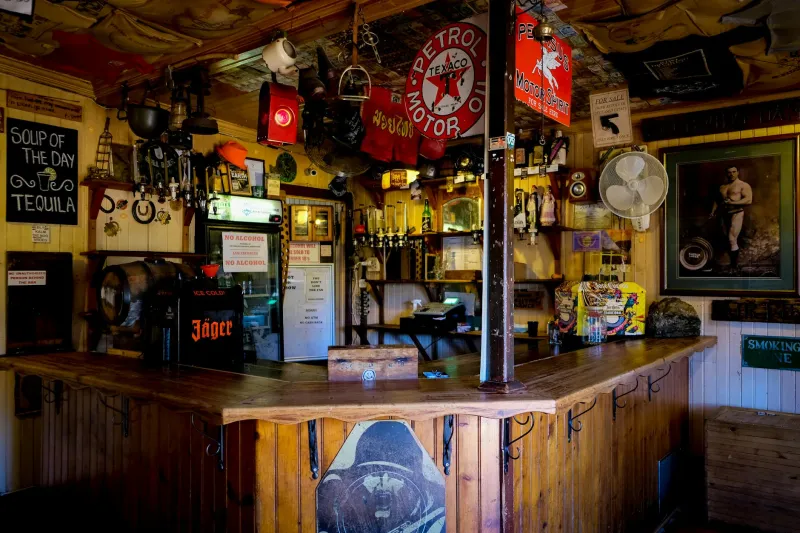
Take a stroll down Coronation Street's cobbles or peek inside the Woolpack's snug, and you're witnessing the work of designers who understand something fundamental about British life that their southern counterparts often miss: authenticity isn't about perfection, it's about the accumulated wear and tear of real living.
More Than Just Wallpaper and Furniture
Sarah Mitchell, who spent fifteen years designing sets for Granada Studios before moving to Leeds-based productions, puts it bluntly: "Down south, they design what they think a working-class pub should look like. Up here, we design what we know it actually looks like because we've been drinking in them since we were eighteen."
This insider knowledge shows in every detail. The way a tea towel hangs over a kitchen tap, the specific brand of biscuits in a corner shop jar, the particular shade of magnolia paint that screams 'council house circa 1987' – these aren't happy accidents. They're the result of designers who've lived the life they're recreating on screen.
The Northern approach to set design has always been rooted in practicality over prettiness. Where London-based productions might create aspirational interiors that photograph well, Northern designers focus on spaces that feel genuinely lived-in. It's the difference between a show home and a proper home, and viewers can spot it a mile off.
The Grammar of Grit
Consider the genius of Ken Shuttleworth, the Oldham-born production designer who worked on everything from 'Life on Mars' to 'Happy Valley'. His sets don't just look Northern – they feel Northern. The way light falls through net curtains in a terraced house, the specific arrangement of ornaments on a mantelpiece, the careful placement of a Radio Times on a kitchen table – it's a visual language that speaks to millions of viewers without them even realising it.
"Ken understood that every object tells a story," recalls former colleague Janet Rawson, who worked alongside him on several Yorkshire Television productions. "A chipped mug isn't just a prop – it's someone's favourite mug, the one they always reach for. That level of thinking is what makes Northern-designed sets feel authentic."
This attention to psychological detail extends beyond domestic interiors. The way Northern designers approach institutional spaces – police stations, hospitals, schools – reflects a deep understanding of how these places actually function in working-class communities. There's no glamourising or sanitising; these are spaces that serve their purpose, wear their age, and carry the weight of the stories they contain.
The Economics of Authenticity
The Northern advantage isn't just cultural – it's economic too. While southern productions splash cash on designer pieces that look the part, Northern set departments have mastered the art of making do and mending. It's a skill that comes naturally when you've grown up in communities where waste is a sin and everything has multiple uses.
"We'd raid charity shops, car boot sales, house clearances," explains Tommy Hartwell, who designed sets for Emmerdale for over two decades. "Not because we were being cheap, but because that's where you find the real stuff. The furniture that's been sat on, the pictures that have actually hung on someone's wall for twenty years. You can't fake that kind of authenticity."
This approach has created a distinctive Northern aesthetic that's now being copied by productions across the country. The 'lived-in' look that was once dismissed as scrappy is now recognised as sophisticated realism.
Building Tomorrow's Television
Today's generation of Northern set designers are carrying this tradition forward while adapting to new challenges. With streaming services demanding higher production values and international audiences expecting cinematic quality, the pressure is on to maintain authenticity while meeting modern expectations.
Yet the fundamental Northern approach remains unchanged: start with truth, add character, and never let style override substance. It's a philosophy that's served British television well for decades and continues to set our dramas apart from glossier international competitors.
The Lasting Legacy
As British television faces increasing competition from global streaming platforms, the Northern tradition of authentic set design has never been more valuable. While others chase after the latest trends, Northern designers continue to create spaces that feel real, lived-in, and genuinely British.
Their work might go unnoticed by awards committees, but it's noticed by the millions of viewers who tune in week after week to visit these carefully crafted worlds. In an age of increasing artificiality, the Northern commitment to authentic detail remains one of British television's greatest assets – even if most people never think to look for the fingerprints on the brass.