The Playground That Became a Career
Jamie Richardson was eight years old when he first wandered onto the Coronation Street set, clutching his mum's hand and trying not to stare at the famous cobbles. His uncle worked as a spark on the Granada lot, and young Jamie was spending the school holidays hanging around the studios, making tea and generally trying to stay out of everyone's way.
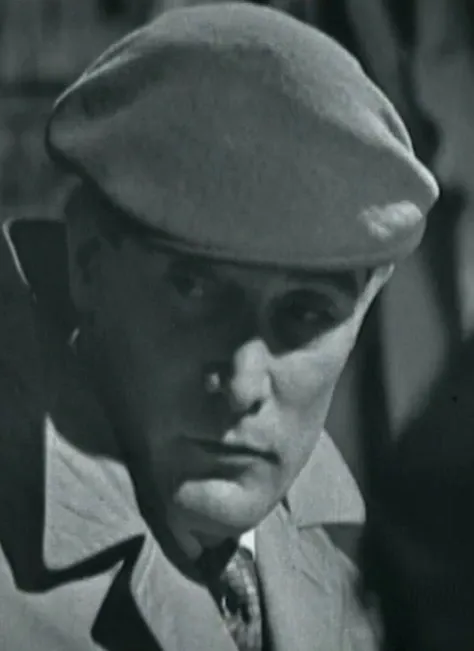 Photo: Coronation Street, via static.wikia.nocookie.net
Thirty-five years later, Richardson is the executive producer of one of Britain's most successful crime dramas, and he can trace every career milestone back to those childhood summers in Salford.
"I learned more about television in those few weeks than most people pick up in years of media studies," Richardson reflects from his London office, where the walls are lined with BAFTAs and industry awards. "But more than that, I learned about Northern storytelling – the rhythm of it, the honesty of it, the way you don't need to shout to be heard."
The Accidental Apprenticeship
Richardson's story isn't unique. Across the British television industry, there's a generation of executives, directors, and creatives who can trace their careers back to childhood encounters with Northern productions. They're the sons and daughters of crew members, the local kids who got weekend work as extras, the teenagers who started in the post room and never left.
What makes their stories remarkable isn't just their success – it's how their early exposure to the particular culture of Northern television production shaped their approach to the industry.
"Growing up around those sets, you absorbed a certain work ethic," explains Sarah Chen, now a BAFTA-winning director whose childhood was spent as a regular extra on various Granada productions. "There was no glamour, no ego. It was just good people doing honest work, telling stories that mattered to ordinary folk."
Chen, whose parents ran a Chinese takeaway near the old Granada Studios, started appearing in crowd scenes at the age of twelve. By sixteen, she was helping out in the script department during school holidays. By twenty-five, she was directing episodes of the same shows where she'd once been background talent.
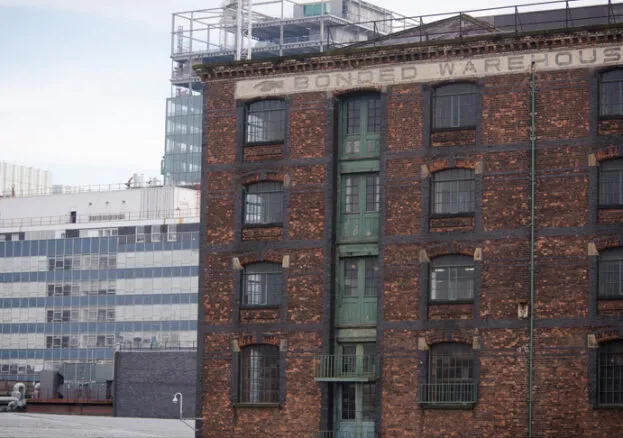 Photo: Granada Studios, via www.creativetourist.com
The Granada Generation
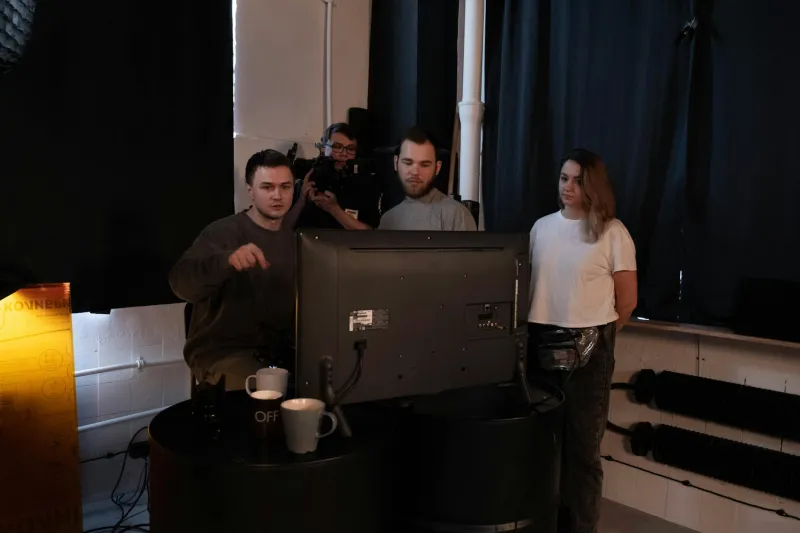
The old Granada Studios in Manchester operated almost like a medieval guild system. Families worked there for generations, kids grew up around the sets, and there was an unofficial apprenticeship system that no university could replicate.
"My dad was a sound engineer, my mum worked in makeup, my older brother was a runner," recalls Marcus Webb, now head of drama at a major independent production company. "I practically lived at Granada during the holidays. I knew every corridor, every studio, every shortcut between buildings."
Webb's intimate knowledge of the production process, gained through years of observation rather than formal training, gave him advantages that money couldn't buy. He understood the rhythm of a shooting day, the hierarchy of a crew, the delicate balance between creative vision and practical constraints.
"When I started working professionally, I already spoke the language," Webb explains. "I knew why the first AD was stressed, why the DOP was arguing with the gaffer, why everyone went quiet when the producer walked onto set. That kind of institutional knowledge is invaluable."
Beyond the Cobbles
While Granada's influence is undeniable, the phenomenon extends across all of the North's major production hubs. Yorkshire Television, the various Liverpool-based productions, and the numerous location shoots across the region all created similar opportunities for local young people to absorb the industry from the ground up.
Emily Foster, whose father worked as a location manager for numerous Yorkshire-based productions, spent her childhood summers helping to coordinate the logistics of filming in the Dales.
"I was basically a glorified runner from the age of fourteen," Foster laughs. "Setting up traffic cones, keeping tourists away from the cameras, making sure the catering van didn't block the shot. But I was also watching how decisions got made, how problems got solved, how a bunch of creative people figured out how to tell a story in the middle of a field."
Foster is now one of the industry's most sought-after location managers, with credits on major international productions. Her ability to work with local communities, navigate complex logistics, and solve problems on the fly can all be traced back to those teenage summers in the Yorkshire countryside.
The Northern Advantage
What emerges from these stories is a picture of an industry education that formal training struggles to match. These set kids didn't just learn technical skills – they absorbed the cultural DNA of Northern television production.
"There's a particular way of working that you find on Northern sets," explains Dr. Rachel Morrison, a media studies lecturer who has researched the career paths of industry professionals. "It's more collaborative, less hierarchical, more focused on practical problem-solving than abstract theory. Kids who grew up in that environment developed a set of instincts that serve them incredibly well."
This Northern approach to television production – pragmatic, community-focused, ego-free – has proved remarkably successful as the industry has evolved. Many of the professionals who learned their craft on Northern sets now find themselves in positions to shape the industry's future direction.
The Ripple Effect
The influence of these Northern-trained professionals extends far beyond their individual careers. They've brought Northern sensibilities to London-based productions, championed regional storytelling in commissioning meetings, and created opportunities for the next generation of Northern talent.
"When you've grown up around authentic Northern storytelling, you develop quite a good bullshit detector," notes Richardson. "You can spot when something feels real and when it's just metropolitan writers trying to do 'gritty Northern drama.' That sensitivity has served me well in development meetings."
Many of these professionals have also made conscious efforts to recreate the informal mentorship opportunities that shaped their own careers. Webb's production company runs an annual internship programme specifically for young people from working-class backgrounds, while Foster regularly takes on local assistants when filming in Northern locations.
The Modern Challenge
As television production has become more centralised and commercialised, the opportunities that created this generation of Northern-trained professionals have become rarer. The old Granada Studios have been demolished, location filming is more tightly controlled, and health and safety regulations make it harder for kids to hang around working sets.
"I worry that we're losing something important," admits Chen. "The informal networks, the family connections, the way knowledge got passed down through generations of crew members. It wasn't a perfect system, but it created opportunities for working-class kids that the current system doesn't really provide."
Several of these industry veterans are now working to create new pathways for young Northern talent, from formal apprenticeship schemes to community outreach programmes. The challenge is recreating the organic learning environment that shaped their own careers within the constraints of modern production.
The Lasting Legacy
What's clear is that this generation of Northern-trained professionals has left an indelible mark on British television. Their commitment to authentic storytelling, collaborative working methods, and community-focused production values can be seen across the industry.
"We learned that television at its best is a communal art form," reflects Richardson. "It's not about individual genius or auteur theory – it's about bringing together talented people and creating something that resonates with ordinary viewers. That's a very Northern approach to creativity."
As the industry continues to evolve, the influence of these set kids turned industry leaders serves as a reminder of the value of authentic, grassroots training. Their success stories prove that sometimes the best education happens not in lecture halls or boardrooms, but in the organised chaos of a working television set, where passion, pragmatism, and community spirit combine to create the magic that keeps us all watching.