The Million-Pound Movie Sets You Can Actually Visit
While Downton Abbey's Highclere Castle gets all the headlines down south, the real money-making mansions are scattered across Yorkshire, Lancashire, and Cumbria. These northern powerhouses have been raking in filming fees that would make a Premier League footballer jealous, all while maintaining their dignified facades.
Chatsworth House in Derbyshire might technically sit on the border, but its northern spirit shines through in every frame. The Devonshire family's pile has hosted everything from Pride and Prejudice to The Crown, with location fees reportedly hitting six figures per production. Not bad for letting a film crew mess about in your back garden.
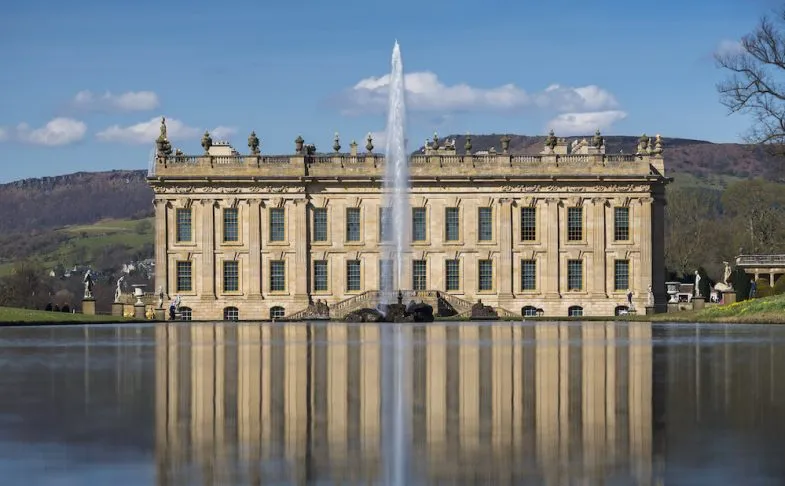 Photo: Chatsworth House, via www.creativetourist.com
Yorkshire's Golden Triangle of Grand Houses
Up in God's Own County, three properties have carved out particularly lucrative niches in the telly trade. Harewood House near Leeds has become the go-to spot for period dramas needing that perfect blend of opulence and accessibility. Its state rooms have doubled for Buckingham Palace more times than anyone cares to count, while the grounds have hosted everything from Victoria to Poldark.
Castle Howard, that baroque behemoth near York, struck gold early with Brideshead Revisited and has never looked back. The Howard family have turned location management into an art form, with dedicated film crews and purpose-built facilities that can accommodate the biggest productions without disturbing paying visitors.
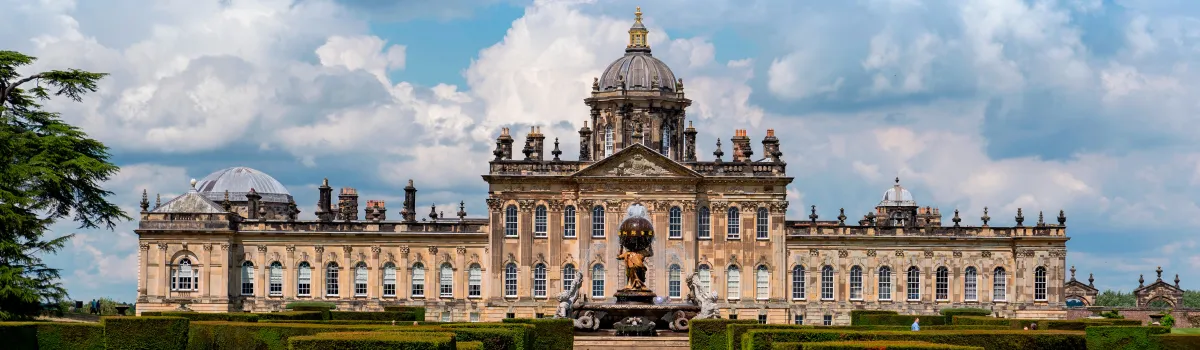 Photo: Castle Howard, via www.castlehoward.co.uk
Meanwhile, Newby Hall has quietly built a reputation as the thinking person's stately home location. Its perfectly preserved Georgian interiors mean period dramas can shoot for days without needing to dress a single room. The result? A steady stream of BBC costume dramas and the kind of repeat business that keeps the roof repairs funded.
Lancashire's Dramatic Darlings
Across the Pennines, Lancashire's contributions to the filming economy are just as impressive, if slightly more gothic in flavour. Hoghton Tower, perched dramatically above Preston, has become the North West's answer to a medieval film set. Its Tudor halls and priest holes make it irresistible to historical dramas, while the panoramic views across the Ribble Valley provide establishing shots that money can't buy elsewhere.
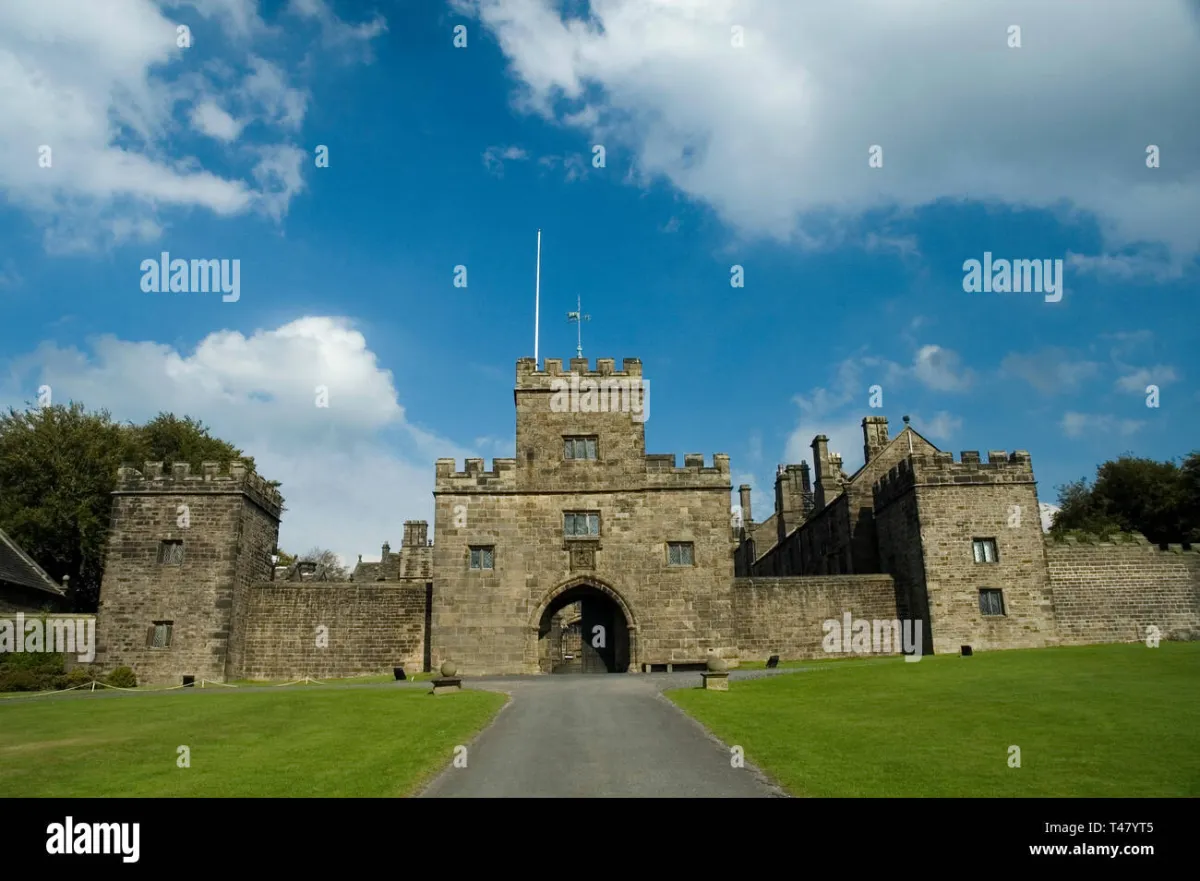 Photo: Hoghton Tower, via c8.alamy.com
Leighton Hall, with its Gothic revival facade, has cornered the market in slightly spooky period pieces. Productions love its flexibility—the interiors can play anything from a Victorian asylum to a Regency drawing room, depending on how the lighting department works their magic.
The Economics of Elegance
What makes these northern locations so attractive isn't just their architectural beauty—it's the business sense of their owners. Unlike some southern estates that treat filming as a necessary evil, northern property owners have embraced the television industry with typical Yorkshire pragmatism.
Location fees can range from £2,000 per day for smaller productions to £15,000 daily for major international shoots. When you factor in accommodation for cast and crew, catering contracts, and local spending, a single major production can inject hundreds of thousands into the local economy.
The smart money has been in developing long-term relationships with production companies. Several northern estates now offer package deals that include everything from period-appropriate furniture hire to specialist catering in historic kitchens. It's vertical integration, stately home style.
Preservation Through Performance
Beyond the immediate financial benefits, television work is helping secure these properties for future generations. The regular income from filming provides a reliable funding stream for essential maintenance that heritage grants simply can't cover.
At Ripley Castle in North Yorkshire, filming fees have funded everything from roof repairs to the restoration of historic gardens. The Ingleby family, who've owned the property for over 700 years, are refreshingly honest about the role television plays in their survival strategy.
The Northern Advantage
So why are northern locations cleaning up while southern estates struggle for screen time? Part of it comes down to practical considerations—easier parking, better road access, and owners who understand the entertainment business. But there's something deeper at work too.
Northern stately homes often feel more authentic, less manicured than their southern counterparts. They've retained that lived-in quality that cameras love, the sense that real families have called these places home for centuries rather than simply curating them as tourist attractions.
The regional film offices in Yorkshire and the North West have also worked tirelessly to promote local locations, building relationships with location scouts and making the booking process as smooth as possible. It's a collaborative approach that's paying dividends.
Future Frames
As streaming services continue their insatiable appetite for content, northern stately homes are perfectly positioned to capitalise. The international market for British period drama shows no signs of slowing, and these properties offer the authentic backdrops that global audiences crave.
The next time you're watching a sumptuous period drama, chances are you're looking at a piece of northern England. These magnificent homes aren't just preserving the past—they're securing their future, one camera angle at a time.