The Master of Disguise
If streets could win BAFTAs, certain Northern thoroughfares would have mantlepieces groaning under the weight of awards. These aren't your obvious TV locations – the instantly recognisable Coronation Street or Emmerdale sets. These are the quiet achievers, the character actors of the location world, capable of convincing viewers they're somewhere completely different with nothing more than a few strategic props and clever camera angles.
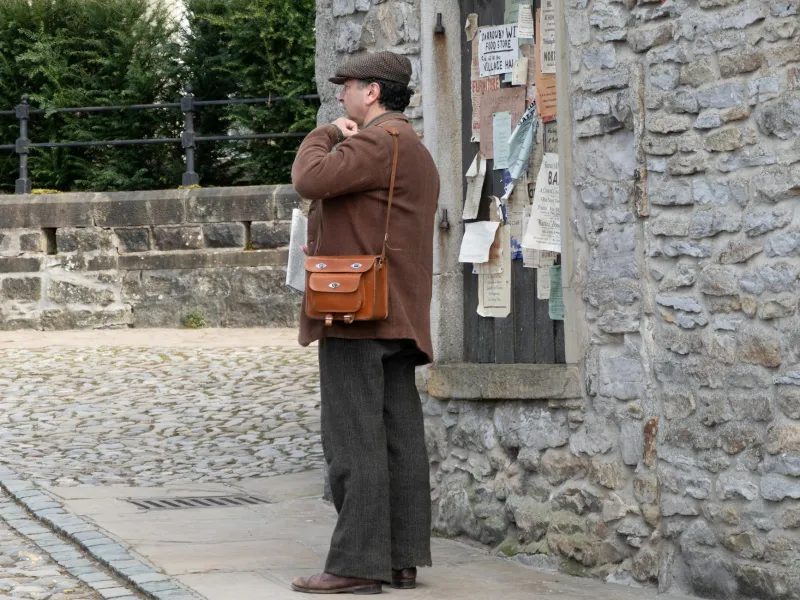
Take Saltaire, the Victorian model village near Bradford. To the casual observer, it's a perfectly preserved piece of industrial heritage. To location scouts, it's a time machine on tap. Within the space of six months, its cobbled streets have masqueraded as 1920s Glasgow for a period thriller, present-day Edinburgh for a medical drama, and even a fictional Northern town in a supernatural series that shall remain nameless (spoilers, you know).
"We've lost count of how many different places we've been," chuckles local resident Janet Morrison, who's lived on Victoria Road for thirty-seven years. "Last month I was apparently living in Victorian Manchester. The month before, it was modern-day Preston. I'm getting a right complex about where I actually am."
The Hebden Bridge Phenomenon
Perhaps nowhere exemplifies this geographical flexibility quite like Hebden Bridge. The West Yorkshire market town has become something of a legend in production circles, its distinctive architecture and compact town centre making it irresistibly versatile. In the past decade alone, it's doubled for locations across the North, the Midlands, and even ventures into Scotland and Wales.
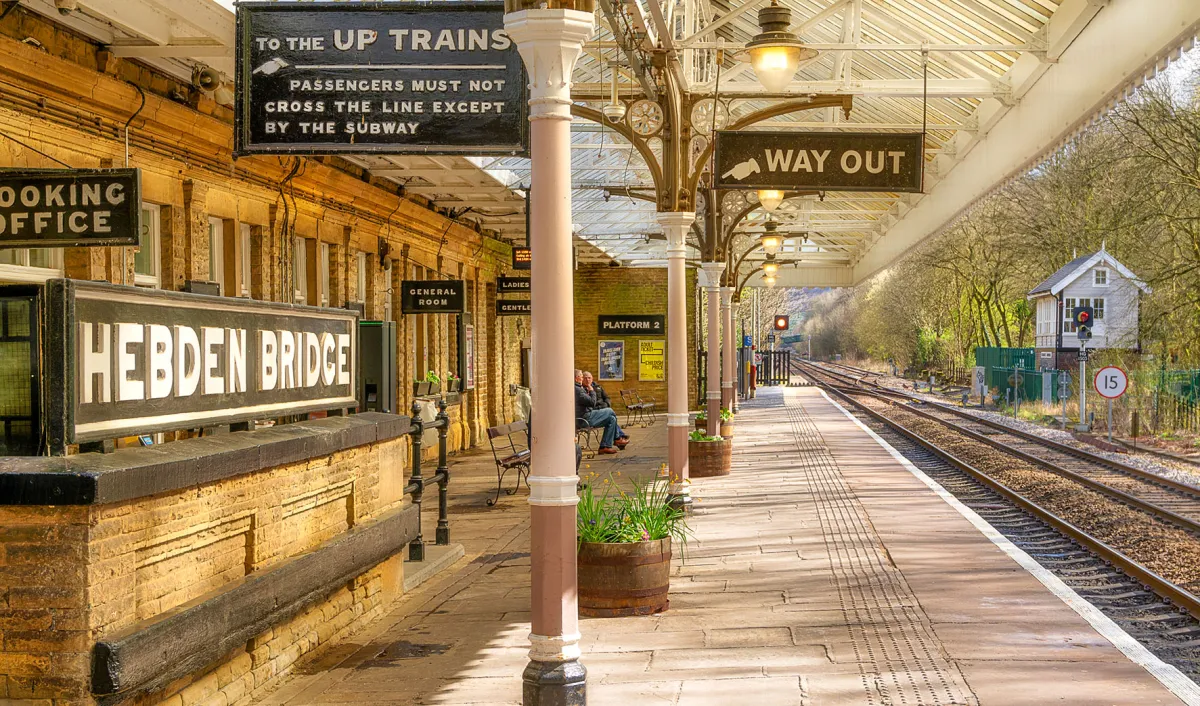 Photo: Hebden Bridge, via www.jigsawexplorer.com
The secret lies in its adaptability. Remove the modern shop signs, add some period vehicles, and suddenly you're in 1960s Lancashire. Keep the contemporary touches but add some strategic Scottish flags, and you're north of the border. Change the street furniture and voilà – you're in the Peak District, despite being nowhere near it.
"We've become accustomed to waking up and finding our high street has been transported somewhere else entirely," explains local café owner Pete Hargreaves. "The kids have started a game of guessing which county we're supposed to be in based on the props they've put out."
Liverpool's Dockland Doubles
Down on Merseyside, certain sections of Liverpool's historic docklands have achieved similar shape-shifting status. The Albert Dock area, with its distinctive red-brick warehouses and maritime atmosphere, regularly stands in for ports across the British Isles and beyond.
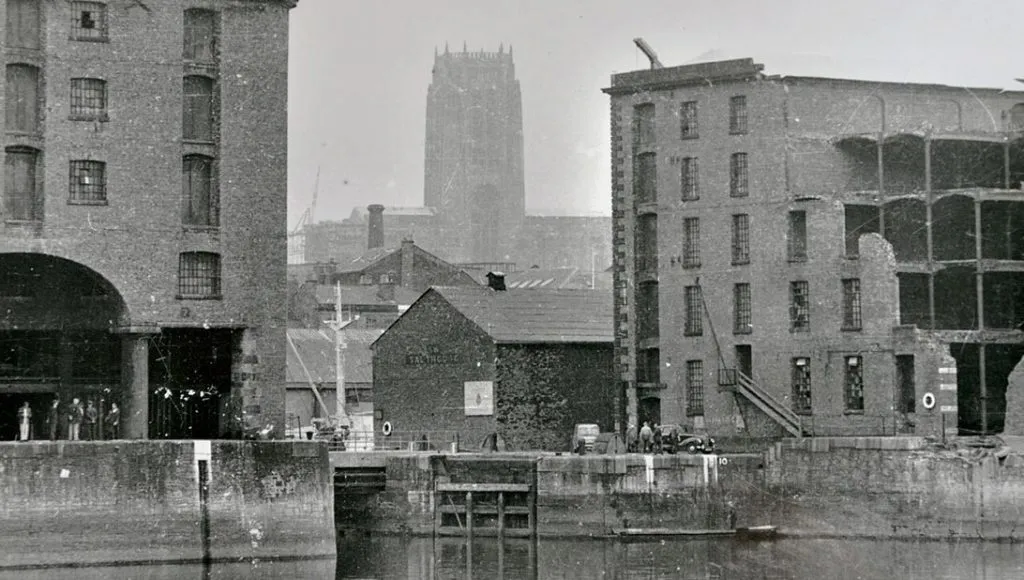 Photo: Albert Dock, via albertdock.com
Production manager Lisa Chen has worked on four different series filmed in the same Liverpool locations, each time representing entirely different cities. "The beauty of those dockland areas is their timeless quality. With the right dressing and lighting, they can be anywhere from Hull to Hamburg, 1950s or present day."
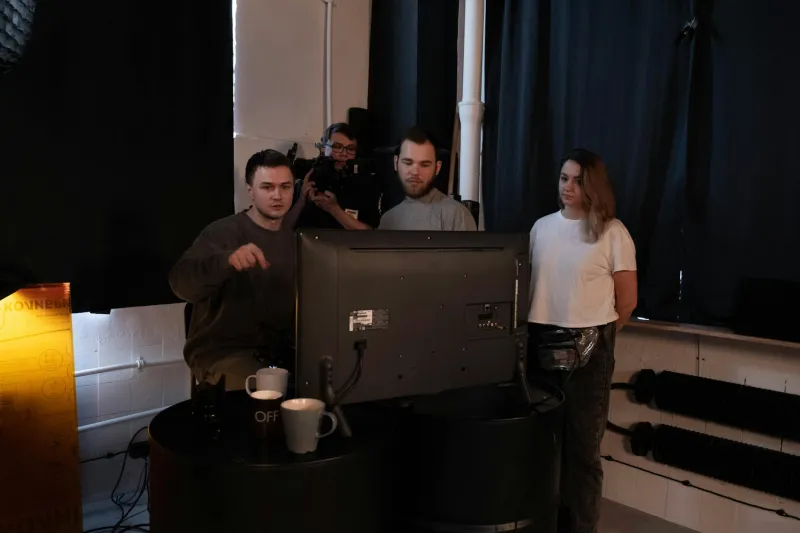
What's particularly clever is how productions use selective framing to completely alter the perceived geography. A narrow cobbled street shot from one angle might suggest a claustrophobic urban setting, while the same street filmed from the opposite direction, with different background elements, can feel like a quaint market town.
The Locals' Perspective
For residents of these chameleon communities, the constant identity shifts have become part of daily life. Many have developed an almost encyclopaedic knowledge of which productions filmed where and when.
"I can tell you exactly which episodes of which shows were filmed on our street," says Saltaire resident Bob Fletcher, with obvious pride. "The neighbours and I have got quite competitive about spotting the changes they make. Last time, they moved our postbox six feet to the left and changed all the house numbers. Took us ages to work out why everything looked slightly off."
Some locals have embraced their role as unwitting extras in the deception. "We've learned to park our cars out of shot without being asked," explains Hebden Bridge resident Carol Davies. "And we all know to avoid wearing anything too modern or recognisable when they're filming period pieces. It's become second nature."
The Art of Architectural Illusion
What makes these locations so valuable to productions isn't just their physical characteristics, but their ability to feel authentically Northern while remaining geographically ambiguous. The architecture tells a story of industrial heritage and community that resonates whether you're setting your drama in Yorkshire, Lancashire, or beyond.
Location scout Marcus Webb has worked across the region for fifteen years and explains the appeal: "These places have what we call 'good bones' – strong, characterful architecture that photographs beautifully but doesn't scream a specific location. Add in cooperative locals and decent transport links, and you've got production gold."
The Economics of Anonymity
There's serious money involved in this geographical flexibility. Productions save thousands by finding one location that can double for multiple settings, rather than moving crew and equipment across the country. For the local economies, it means regular film-related income without the disruption of becoming a recognised tourist destination.
"We get all the benefits of being a filming location without coaches full of tourists turning up with guidebooks," notes Hebden Bridge council representative Sarah Thompson. "It's the best of both worlds – economic boost without the chaos."
The Future of Shape-Shifting
As streaming services demand more content and budgets remain tight, these versatile Northern locations are busier than ever. Digital technology makes the transformations even more convincing, with post-production teams able to alter backgrounds and add architectural details that weren't there during filming.
Yet for all the technical wizardry, the appeal remains fundamentally human. These streets feel real because they are real, lived-in and loved by communities who've learned to share their homes with an ever-changing parade of fictional worlds.
In an age of green screens and virtual sets, there's something reassuringly authentic about a proper Northern street that can be anywhere you need it to be – while never forgetting where it actually is.