The Great Refusal
Picture this: you're riding high as the most recognisable face on northern television, your contract's up for renewal, and London comes calling with a cheque that could buy you a house in Hampstead. What do you do? If you're part of a special breed of northern broadcaster, you politely tell the capital where to stick it and carry on doing what you do best – right where you belong.
This isn't a story about stubborn regionalism or fear of change. It's about a generation of television personalities who recognised something the metropolitan media machine often misses: authenticity can't be manufactured, and the connection between broadcaster and audience runs deeper than viewing figures.
The Granada Generation
The legacy starts with Granada Television's golden era, when Manchester wasn't just another regional outpost but a creative powerhouse that could go toe-to-toe with anything London produced. Presenters like Tony Wilson didn't just stay north – they made staying north look like the only sensible career move for anyone with half a brain.
Wilson's So It Goes and later The Other Side of Midnight proved that cutting-edge television didn't require a London postcode. When major networks tried to poach him, Wilson's response was characteristically blunt: why would he want to join the establishment when he was busy redefining what British television could be?
The Granada model created a template that others would follow: build something brilliant where you are, make it so good that London has to pay attention, then watch as they desperately try to replicate what you've created.
The Local Heroes Who Went Global
Sarah Lancashire represents perhaps the perfect example of this phenomenon. While contemporaries decamped to London to chase roles that might make them household names, Lancashire stayed rooted in her Yorkshire home, taking on parts that spoke to her directly. Her decision to remain connected to her northern roots didn't limit her career – it supercharged it.
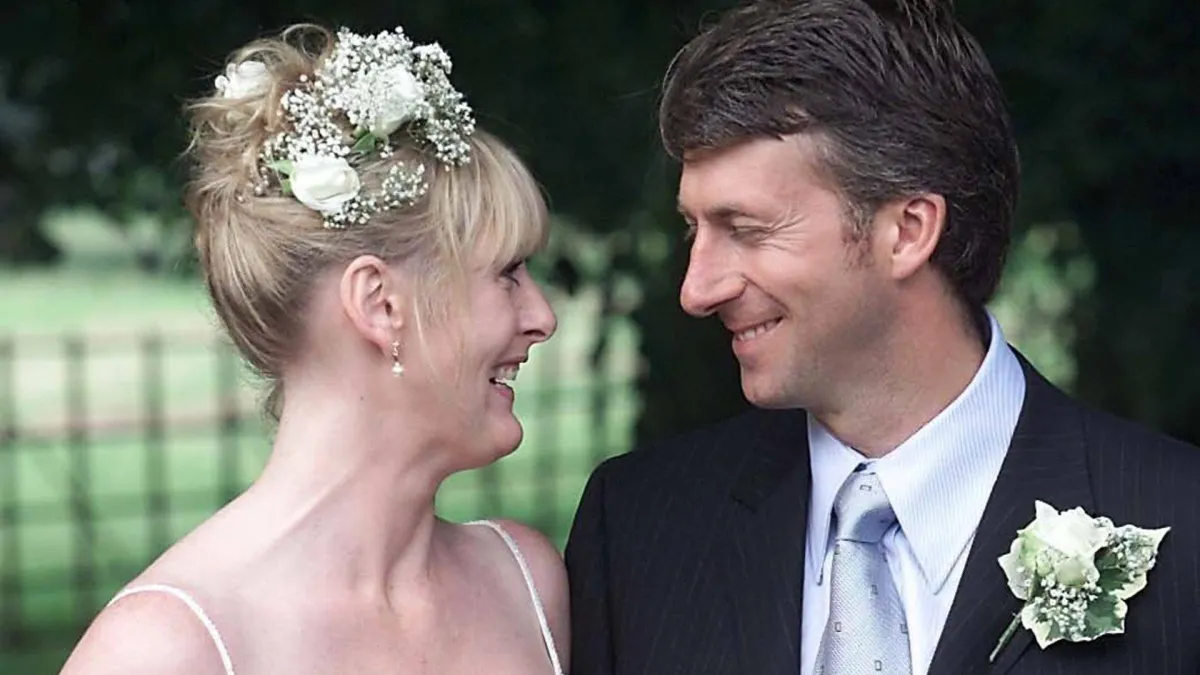 Photo: Sarah Lancashire, via images.hellomagazine.com
When Happy Valley exploded onto screens, viewers weren't just watching great acting; they were witnessing someone who genuinely understood the landscape, both physical and emotional, that she was depicting. Lancashire's authenticity became her calling card, something no amount of method acting or regional dialect coaching could replicate.
The Radio Revolutionaries
Radio provided another platform for northern voices to prove their worth without southern validation. Presenters like Mark Radcliffe and Marc Riley built loyal followings that transcended regional boundaries, creating shows that felt like conversations between old friends rather than polished broadcasting products.
Their success lay in refusing to sand down their edges for broader appeal. When BBC executives suggested they might reach wider audiences with more 'neutral' presentation styles, both presenters held firm. The result? Shows that felt genuinely different from anything coming out of Broadcasting House, attracting listeners who were hungry for something real.
The Modern Mavericks
Today's northern broadcasting landscape continues this tradition of principled independence. Presenters like Steph McGovern have shown that building a career outside London isn't just possible – it's potentially more rewarding. McGovern's decision to base her show in Leeds rather than London wasn't just about personal preference; it was a statement about where authentic British television should be made.
 Photo: Steph McGovern, via chartwellspeakers.b-cdn.net
The success of programmes like The Steph Show proves that audiences respond to presenters who feel connected to real communities rather than media bubbles. McGovern's northern base allows her to tap into stories and perspectives that often get overlooked by London-centric programming.
The Authenticity Advantage
What these northern stalwarts understood before it became fashionable was that authenticity sells. In an era of increasing media sophistication, audiences can spot manufactured personalities from miles away. The presenters who stayed north maintained something precious: a genuine connection to their roots that translated into more compelling television.
This authenticity manifests in countless small ways – the way they pronounce certain words, their cultural references, their understanding of local humour. These aren't affectations that can be learned; they're the natural result of remaining embedded in the communities that shaped them.
The Ripple Effect
The success of these northern holdouts has created opportunities for others to follow similar paths. Production companies now actively seek out regional talent, recognising that diverse voices create better programming. The old model of talent gravitating inevitably towards London has been replaced by a more distributed approach that values different perspectives.
Young presenters looking at career options no longer see London as the only route to success. They can point to numerous examples of broadcasters who built substantial careers while remaining true to their northern roots, creating a virtuous cycle that strengthens regional television.
The lesson is clear: sometimes the best career move is the one that doesn't involve moving at all. In staying put, these northern broadcasting legends didn't just succeed – they redefined what success in British television could look like.