The Map Collectors
There's something beautifully mad about Linda Cartwright's living room wall. Covered floor to ceiling with laminated maps, GPS coordinates scrawled in biro, and polaroid snaps of herself grinning beside everything from a Salford ginnel to a Holmfirth café, it looks like the work of someone plotting to take over the North one cobblestone at a time.
In a way, that's exactly what she's doing.
"I've been to every single outdoor location used in Coronation Street since 1985," Linda tells us, adjusting her specs as she points to a particularly dog-eared section of her Manchester street atlas. "Every ginnel, every corner shop, every bus stop. If Ken Barlow's walked past it, I've stood there and had my photo taken."
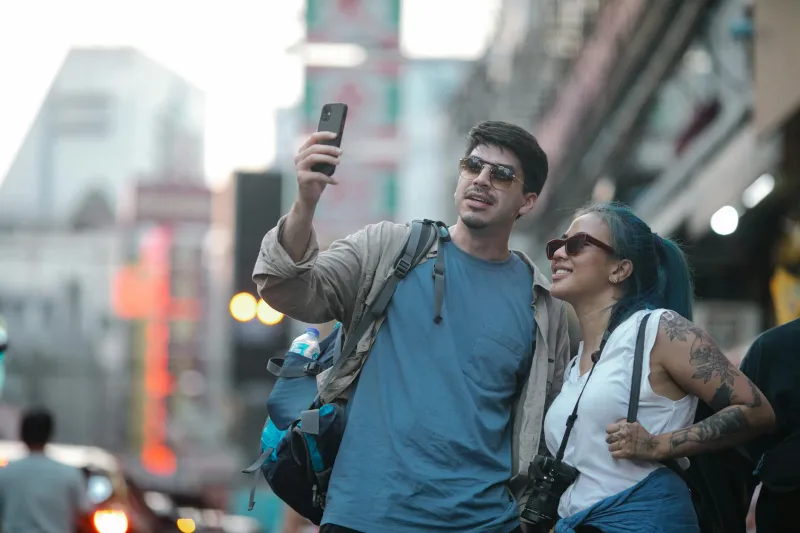
Linda's not alone in this peculiar passion. Across the North, there's a growing tribe of location hunters – ordinary folk who've turned tracking down TV filming spots into something approaching a religious calling. They've got WhatsApp groups, annual meetups, and enough collective knowledge about British television geography to put the Ordnance Survey to shame.
More Than Just Tourism
What started as casual day trips has evolved into something far more meaningful for these dedicated fans. Take Dave Morrison from Preston, who's spent the last fifteen years methodically visiting every location used in both Emmerdale and Heartbeat.
"It's not about celebrity spotting or anything like that," Dave explains as he shows us his meticulously organised photo albums. "It's about connection. When you stand in that exact spot where your favourite character had their big moment, you feel part of the story somehow."
This emotional connection runs deeper than simple fandom. For many location hunters, these pilgrimages represent a way of claiming ownership over the stories that have shaped their lives. Margaret Thompson from Oldham puts it best: "These shows aren't just entertainment for us – they're family. And when you visit the places where that family lives and works, it makes everything feel more real."
The Secret Networks
Behind every great obsession lies a community, and the Northern TV location hunting scene has built networks that would make MI5 jealous. The "Cobbles Collective" Facebook group boasts over 3,000 members who share everything from newly discovered filming spots to detailed travel itineraries.
"We've got people who specialise in different shows," explains group administrator Sarah Jenkins from Bolton. "There's the Emmerdale experts who know every farm track in Yorkshire, the Corrie crew who can navigate Salford blindfolded, and the old-school lot who remember exactly where every episode of Nearest and Dearest was filmed."
These groups have become support networks as much as information exchanges. When longtime member Frank Atkinson from Blackpool was diagnosed with cancer, the group rallied to help him complete his "bucket list" of locations before his treatment began.
"They organised car shares, found accessible routes for my wheelchair, even sorted out accommodation," Frank recalls. "In three months, I managed to tick off every remaining location on my list. It wasn't just about the places – it was about the people who made it possible."
The Economics of Obsession
This dedicated tourism hasn't gone unnoticed by local councils and businesses. The village of Holmfirth, forever associated with Last of the Summer Wine, has built an entire economy around TV tourism. But it's the smaller, less obvious locations that are seeing the biggest benefit from these hardcore fans.
"We get regular visitors who come specifically because Coronation Street filmed outside our shop in 1987," says pub landlord Tony Walsh, whose Manchester boozer featured in exactly twelve seconds of background footage. "They'll order a pint, take their photos, and tell me all about the episode. It's brilliant for business."
The ripple effects extend beyond individual businesses. Transport companies now offer "TV location tours," bed and breakfasts advertise their proximity to filming spots, and even local authorities have started incorporating television heritage into their tourism strategies.
Digital Age Detection
Modern technology has revolutionised the location hunting game. Google Street View, social media, and smartphone GPS have made tracking down filming spots easier than ever. But for the old-school hunters, there's something lost in this digital efficiency.
"Half the fun used to be the detective work," sighs veteran location hunter Brian Murphy from Rochdale. "You'd watch an episode, spot a street sign or distinctive building, then spend weekends driving around trying to find it. Now someone just posts the postcode on Facebook."
Yet technology has also democratised the hobby. Newcomers can access decades of collective knowledge instantly, and virtual location tours have kept the community connected during lockdowns and travel restrictions.
The Next Generation
As streaming services and modern production techniques change how television is made, the location hunting community is adapting. Newer shows film in multiple locations, use more green screen technology, and sometimes create entirely fictional geography that exists only in post-production.
"It's getting harder," admits Linda Cartwright, still the undisputed queen of Coronation Street location hunting. "But that just makes the real locations more precious. When you find an actual place where actual actors stood and said actual lines, it's like finding treasure."
The community is also expanding its scope, with younger members tracking down locations for shows like Happy Valley, Line of Duty, and even the Northern filming spots used in international productions.
The Emotional Journey
Perhaps what's most remarkable about these location pilgrims is how their hobby has evolved into something approaching spiritual practice. Standing on the same cobbles where decades of drama have unfolded, touching the same walls that have witnessed countless storylines, creates a connection that transcends simple entertainment.
"When I stood outside the Rovers Return set for the first time, I actually cried," admits Dave Morrison. "Sounds daft, but that pub has been part of my life for forty years. Being there, seeing it up close, it was overwhelming."
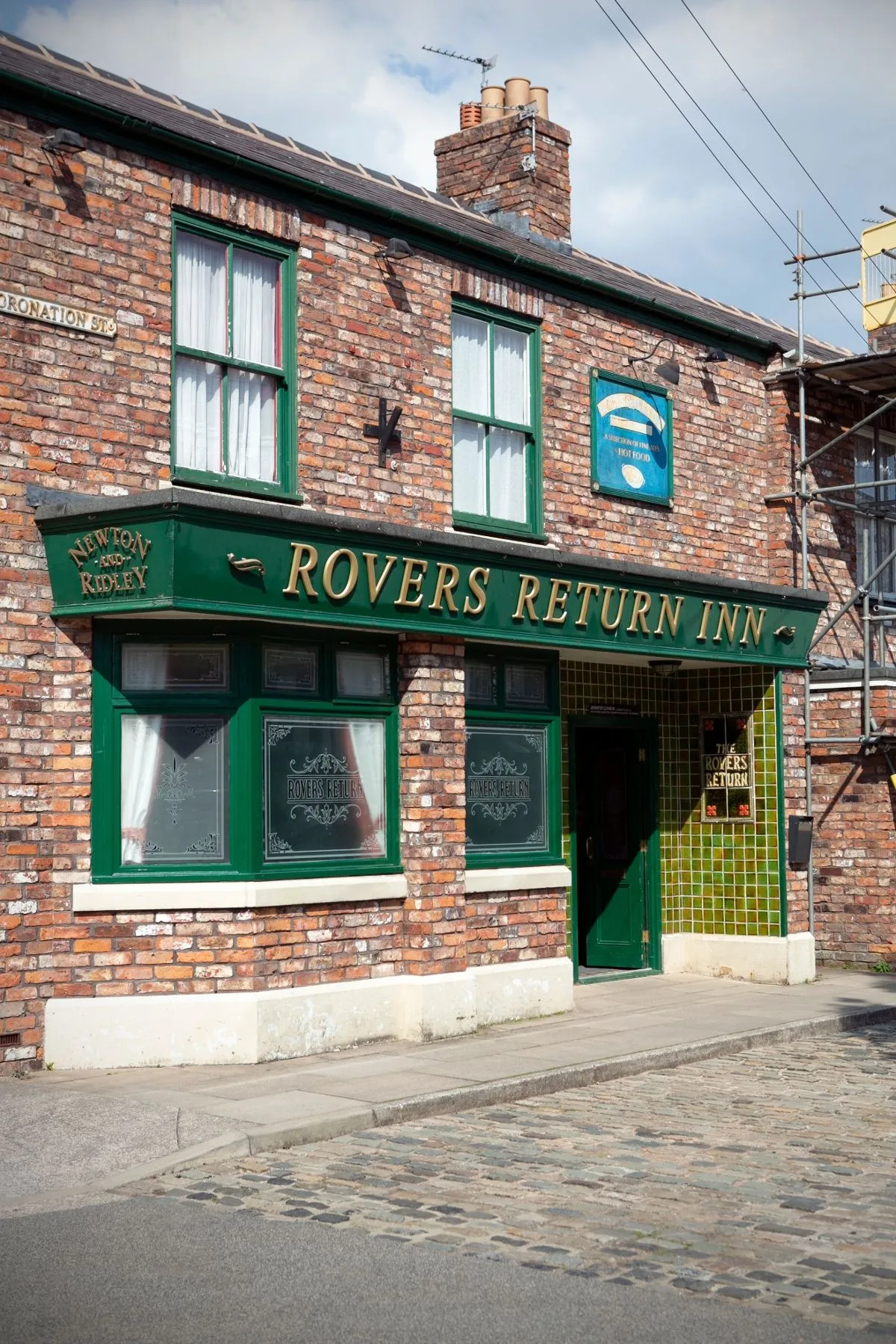 Photo: Rovers Return, via i2-prod.dailystar.co.uk
These aren't just fan trips – they're pilgrimages to the places that have shaped Northern storytelling. In a world where so much entertainment feels manufactured and artificial, there's something beautifully authentic about the dedication these fans show to the real places behind the fiction.
For the telly pilgrims of the North, every location is a shrine, every photo is a prayer, and every journey is a homecoming to the places that made our favourite stories feel real.