Where It All Began
In a draughty community centre in Barnsley, something magical happened every Tuesday evening. Between the smell of instant coffee and the echo of footsteps on worn wooden floors, a group of enthusiasts gathered to bring stories to life. They had no idea that among their ranks was a future household name, someone who would go on to anchor one of Britain's most beloved dramas.
"She was just Sarah from down the road back then," remembers Margaret Whitfield, who ran the Barnsley Players for thirty-four years before retiring. "Lovely girl, always early for rehearsals, never forgot her lines. But star quality? We all had it in that little hall. That was the point."
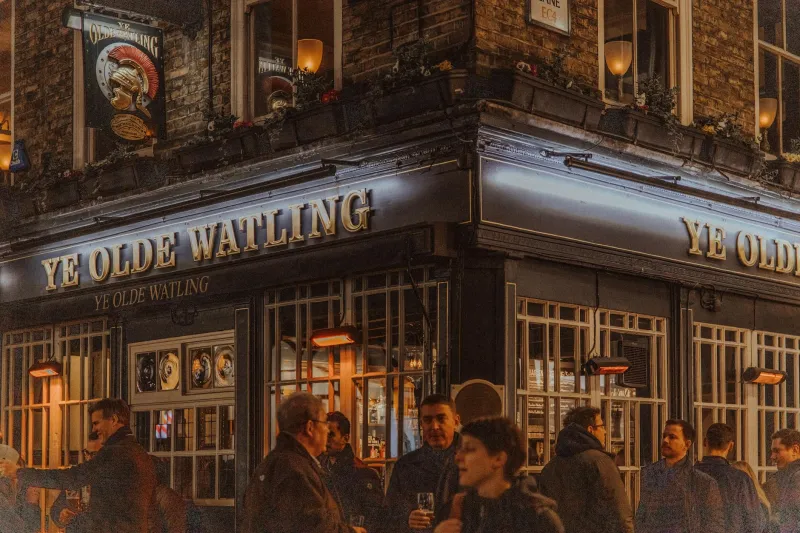
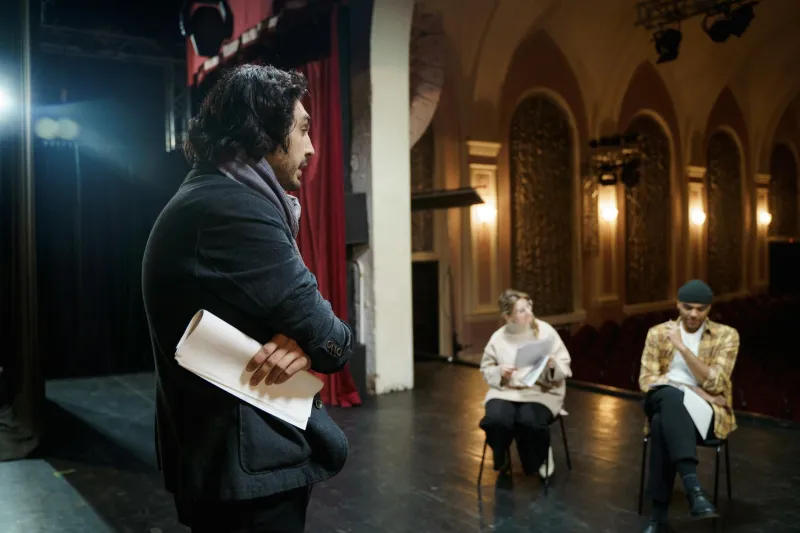
 Photo: Barnsley Players, via cdn.footballkitarchive.com
This is the story that plays out in village halls, community centres, and converted church spaces across Northern England. While London drama schools grab the headlines, these grassroots societies have been quietly nurturing talent for decades, spotting diamonds in the rough long before any casting agent arrived with a contract.
The Bury Phoenix Theatre Company
In Bury, the Phoenix Theatre Company has been staging productions since 1962. Their converted warehouse space has seen more future TV stars pass through its doors than most professional training academies. The company's founder, Harold Pemberton, kept meticulous records of every member, every production, every small triumph.
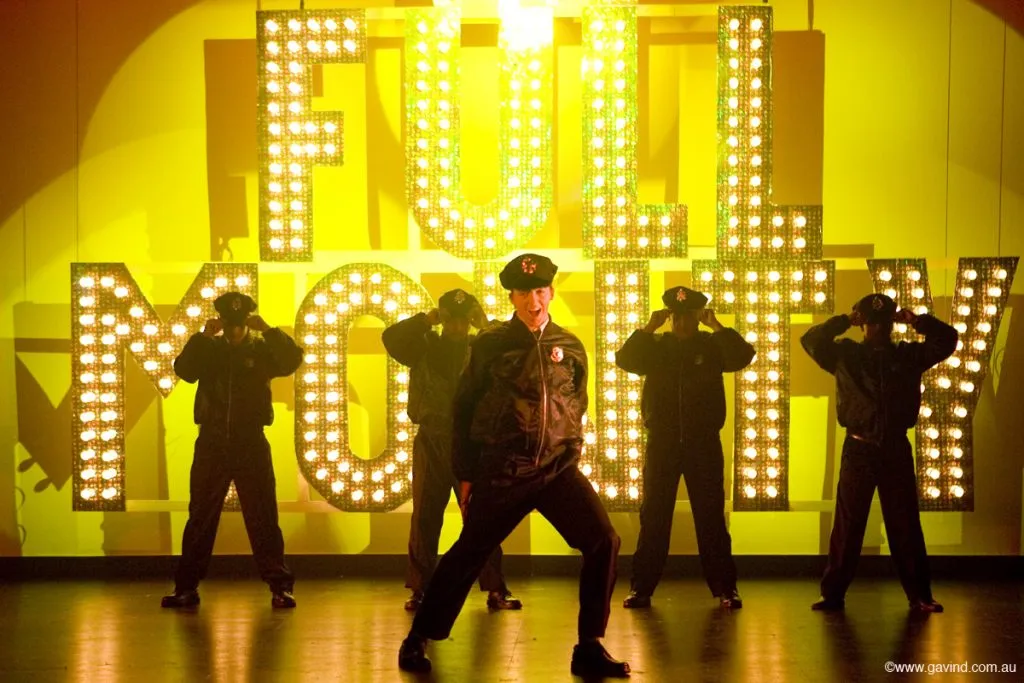 Photo: Bury Phoenix Theatre Company, via www.phoenixtheatrecompany.org
"Looking back through Harold's books, it's extraordinary," explains current artistic director Jenny Ashworth. "We had three actors who went on to major soap roles, two who became regular faces in period dramas, and one who's now doing Hollywood films. At the time, they were just local kids who fancied having a go at acting."
What set places like the Phoenix apart wasn't just their willingness to take chances on inexperienced performers, but their commitment to proper training. "We didn't just throw people on stage," Ashworth continues. "Harold insisted on voice work, movement classes, even basic stage combat. He said if you were going to do something, you might as well do it properly."
The Carlisle Connection
Up in Cumbria, the Carlisle Theatre Workshop has a similar track record of nurturing talent that later flourished on television. Founded in a former Methodist chapel in 1978, the group developed a reputation for ambitious productions and rigorous training that attracted young performers from across the region.
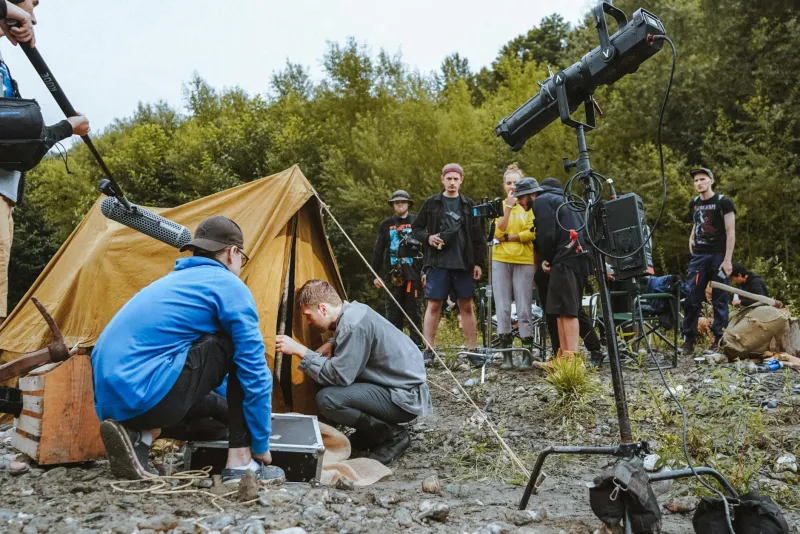
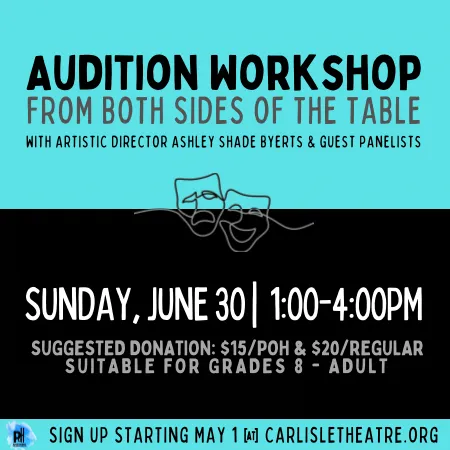 Photo: Carlisle Theatre Workshop, via eadn-wc03-11747932.nxedge.io
"We had kids travelling forty miles each way for our workshops," recalls former director Tom Bradley. "Parents would drop them off after school on Friday, they'd stay for weekend intensives, learning everything from Shakespeare to improvisation. Some of our alumni still credit those weekends with teaching them more about acting than formal training ever did."
One of those alumni, now a familiar face in prime-time television, recently returned to visit the workshop. "He said the discipline he learned here – turning up on time, knowing your lines, respecting the space and other actors – served him better than any technique class. That's what we were really teaching, I suppose. Professionalism."
The Magic of Amateur Theatre
What emerges from conversations with these drama group veterans is a picture of amateur theatre as something far more sophisticated than its name suggests. These weren't just social clubs putting on the occasional pantomime. They were serious training grounds, run by people who understood that talent needed nurturing, not just encouragement.
"The word 'amateur' does us a disservice," argues Patricia Moore, who spent twenty years with the Rochdale Drama Society. "We were unpaid, not unprofessional. Some of our directors had trained at RADA or the Central School. They brought that expertise back to their communities."
The societies also provided something that formal training often couldn't: a sense of belonging and community. Young performers weren't just learning to act; they were learning to be part of something bigger than themselves.
The Talent Spotters
Perhaps most remarkably, many of these groups developed an almost supernatural ability to spot potential. Directors and long-standing members speak of recognising 'something special' in performers who might have been overlooked elsewhere.
"It wasn't always the obvious ones," explains Derek Simpson, who directed productions in Halifax for forty years. "Sometimes it was the quiet kid who helped with props, or the teenager who was brilliant in small parts but nervous about leads. You learned to look beyond the surface."
Simpson recalls one particular discovery: "Lad came to auditions, barely said a word. Terrible at the dramatic pieces, but when we did a comedy sketch, he had us all in stitches. Natural timing you can't teach. He's been in three different sitcoms now, regular work for fifteen years. Started in our little hall above the pub."
Beyond the Spotlight
Not everyone who passed through these groups went on to television fame, of course. But the impact extended far beyond creating professional actors. These societies built confidence, taught communication skills, and created lasting friendships across generations and backgrounds.
"For every one who made it onto the telly, there were dozens who became teachers, social workers, business leaders," notes Jenny Ashworth from Bury. "The skills are transferable – public speaking, working as a team, handling pressure. We were building people as much as performers."
The Legacy Continues
Today, many of these groups continue to operate, though they face challenges their predecessors never imagined. Competition from professional youth theatres, the lure of social media, and the simple fact that young people have more entertainment options than ever before.
Yet they persist, still spotting talent, still nurturing dreams in draughty halls and converted spaces across the North. The next generation of television stars might well be rehearsing their first lines on a Tuesday evening in Todmorden, or learning stage combat in a community centre in Wigan.
"The magic hasn't changed," insists Margaret Whitfield from Barnsley. "Put passionate people in a room with a story to tell, and something wonderful happens. Always has, always will. The cameras might not be rolling, but the stars are still being born."
In an industry increasingly dominated by formal training and professional connections, these Northern drama groups remain proof that talent can emerge anywhere – and that sometimes, the most important discoveries happen in the most unlikely places.