Why the North Owns British Telly: The Untold Story Behind Our Greatest Shows
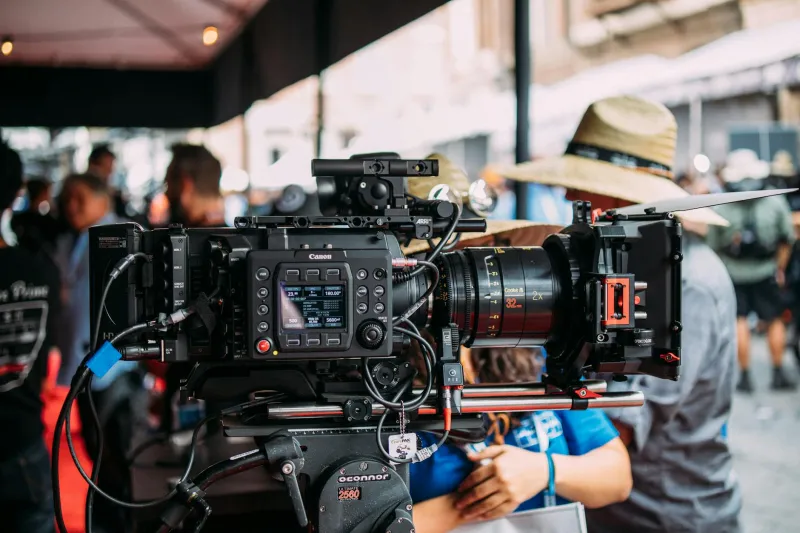
There's something magical about Northern England that keeps drawing television producers back like moths to a flame. Perhaps it's the way our communities pull together when times get tough, or how we can find humour in the darkest moments. Whatever the secret ingredient is, it's turned our region into the beating heart of British television.
The Foundation: When Soap Met Steel
It all started with a simple idea back in 1960: what if we showed ordinary people living ordinary lives? Granada Television's Coronation Street wasn't trying to be revolutionary – it was just being honest. Set in a fictional Manchester street, the show captured something that posh London productions had been missing: real people with real problems, dealing with them in ways that felt genuinely British.
The cobbles of Weatherfield became a cultural touchstone, but they were just the beginning. The success of Corrie proved that audiences craved authenticity over artifice, and Northern England had authenticity in spades. Our industrial heritage, tight-knit communities, and distinctive way of looking at the world provided storytellers with rich material that London's drawing rooms simply couldn't match.
Beyond the Cobbles: Drama Finds Its Voice
While Coronation Street was establishing soap opera supremacy, other genres were discovering the North's dramatic potential. The 1960s and 70s saw groundbreaking productions like Z-Cars, set in a fictional Merseyside new town, which revolutionised police procedurals by focusing on community policing rather than detective work.
But it was the 1980s that truly cemented the North's reputation as television's spiritual home. Shows like Boys from the Blackstuff didn't just entertain – they held up a mirror to Thatcher's Britain, showing the human cost of industrial decline through the lens of Liverpool's unemployed. Alan Bleasdale's masterpiece proved that Northern stories could be both deeply local and universally relevant.
The Comedy Revolution
Northern humour has always been different – drier, more self-deprecating, and infinitely more resilient. Television commissioners finally cottoned on to this in the 1970s and 80s with shows like The Likely Lads and later Phoenix Nights. These weren't London comedies transplanted north; they were authentically Northern voices telling Northern stories.
Peter Kay's Phoenix Nights perfectly captured the absurdity and warmth of working men's club culture, while The Royle Family showed that you could create compelling television from people just sitting around watching telly. Both shows understood that Northern comedy comes from character and community, not punchlines and pratfalls.
The Modern Renaissance: Prestige Meets Authenticity
The 2000s brought what we might call the Northern Renaissance. Suddenly, commissioners weren't just looking north for gritty realism – they were recognising the region's capacity for sophisticated storytelling across all genres.
Life on Mars transported viewers to 1970s Manchester, using the city's industrial landscape to explore themes of masculinity and social change. Shameless (the original, obviously superior British version) showed that working-class stories could be both hilarious and heartbreaking. Meanwhile, The Full Monty – though originally a film – proved that Northern stories could conquer the world.
Yorkshire's Golden Age
While Manchester and Liverpool were establishing their television credentials, Yorkshire was quietly building its own empire. Emmerdale may have started as a simple farming soap, but it evolved into something more sophisticated, using the Dales as a backdrop for increasingly complex storylines.
More recently, Yorkshire has become the go-to location for prestige drama. Happy Valley uses the Calder Valley's stark beauty to tell stories of resilience and redemption. This is England '86 and its sequels found poetry in the mundane streets of Nottingham and Sheffield. These shows understand that landscape isn't just scenery – it's character.
The Secret Sauce: Why We Keep Winning
So what makes Northern television so compelling? Industry insiders point to several factors. First, there's our storytelling tradition – generations of passing down tales in pubs, clubs, and family kitchens have created a culture that values narrative craft. Second, our history of collective struggle has fostered strong community bonds that translate beautifully to screen.
But perhaps most importantly, Northern England has never lost touch with its working-class roots. While other regions have gentrified beyond recognition, we've maintained communities where different generations and social classes still interact daily. This provides writers with the kind of authentic material that money can't buy.
Looking Forward: The Next Chapter
As we look to the future, Northern England's dominance shows no signs of waning. New productions are constantly choosing our region for their settings, drawn by our combination of authentic locations, skilled crew bases, and that indefinable Northern magic.
From the pioneering days of Coronation Street to today's streaming sensations, Northern England has consistently provided British television with its most memorable moments. We've shown the world that great television doesn't need expensive sets or exotic locations – it just needs truth, humanity, and a proper good story.
And frankly, nobody tells stories quite like we do.