The Unlikely Academies
Forget RADA or the National Theatre – if you wanted to understand where Britain's greatest entertainers really learned their craft, you needed to look no further than the working men's clubs of Rotherham, the variety halls of Blackpool, or the social clubs scattered across every northern town with more than a thousand residents.
These weren't glamorous venues. The stages were small, the audiences were ruthless, and the pay was barely enough to cover petrol home. But they were something far more valuable than comfortable: they were real. Night after night, wannabe performers faced crowds who'd paid their hard-earned money for entertainment and weren't shy about expressing their opinions if they didn't get it.
The Blackpool Breeding Ground
Blackpool's Golden Mile wasn't just a tourist attraction – it was Britain's unofficial performing arts university. The town's countless venues, from the Tower Ballroom to the smallest pier-end club, created a ecosystem where talent could develop, fail, recover, and try again, all within a few square miles of seafront.
Comedians like Ken Dodd didn't emerge fully formed; they were forged in Blackpool's relentless entertainment machine, learning to read audiences, adjust their timing, and develop the resilience that would serve them throughout their careers. The town's seasonal nature meant performers had to be adaptable – what worked for coach parties from Wigan might fall flat with families from Glasgow.
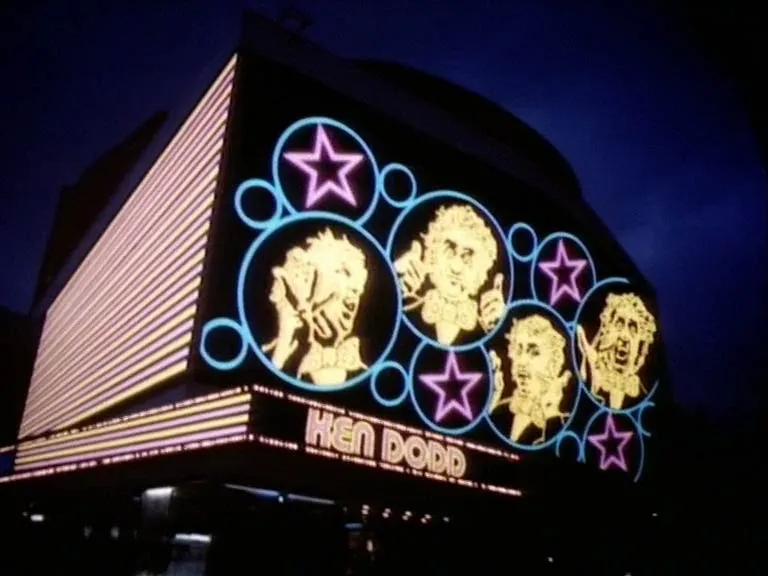 Photo: Ken Dodd, via tvark.org
The genius of Blackpool's system was its democracy. Audiences didn't care about your background, your training, or your connections. They cared about one thing: were you funny? This brutal meritocracy produced performers who understood entertainment at its most fundamental level.
The Club Circuit Chronicles
Every northern town had its network of working men's clubs, each with its own character and expectations. The Batley Variety Club became legendary not just for its unlikely location but for its uncompromising standards. If you could survive a Saturday night in Batley, you could handle anything the entertainment industry threw at you.
These clubs operated on a simple principle: entertain the punters or get off the stage. There was no room for artistic pretension or experimental performance art. The audiences were there to forget about their working week, and performers who couldn't deliver found themselves looking for alternative career paths very quickly.
The circuit created its own culture and traditions. Performers shared war stories, advice, and occasionally stage time. Veterans took newcomers under their wings, passing on the unwritten rules of club entertainment: always acknowledge the local football team, never insult the beer, and remember that the audience is always right, even when they're wrong.
The Television Pipeline
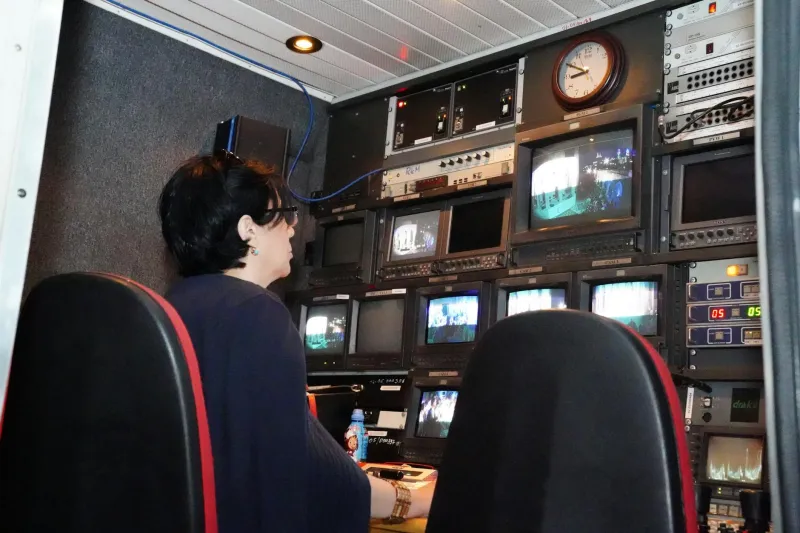
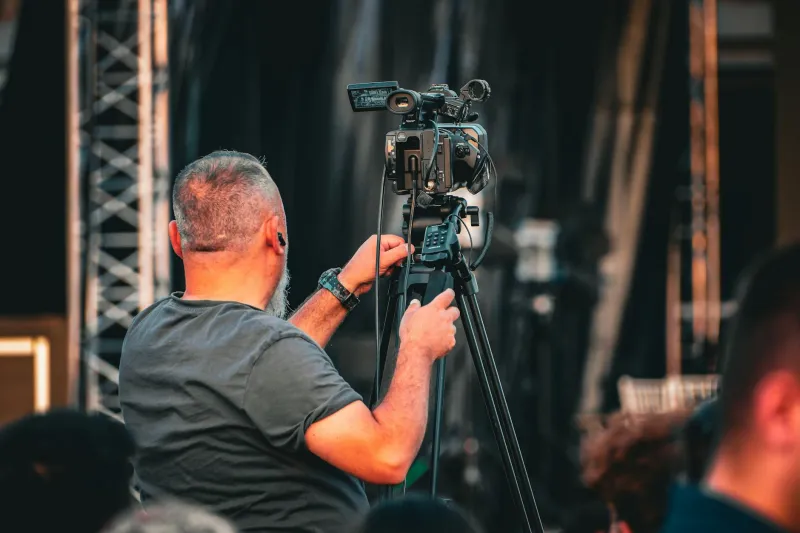
What television executives slowly began to realise was that these northern venues were producing performers with skills that couldn't be taught in drama schools. The ability to win over a hostile audience, to think on your feet when heckled, to adjust your performance based on the room's energy – these were the qualities that made for compelling television.
Shows like The Comedians didn't just happen to feature northern performers; they were specifically designed to showcase the talent emerging from the club circuit. The format recognised that these comedians had something special: they could make people laugh without scripts, without elaborate setups, with nothing but their wit and their understanding of what made audiences tick.
The transition from clubs to television wasn't always smooth. Some performers struggled with the technical demands of television, others found it difficult to adapt their material for broader audiences. But those who made the leap successfully brought something invaluable: authenticity.
The Variety Tradition
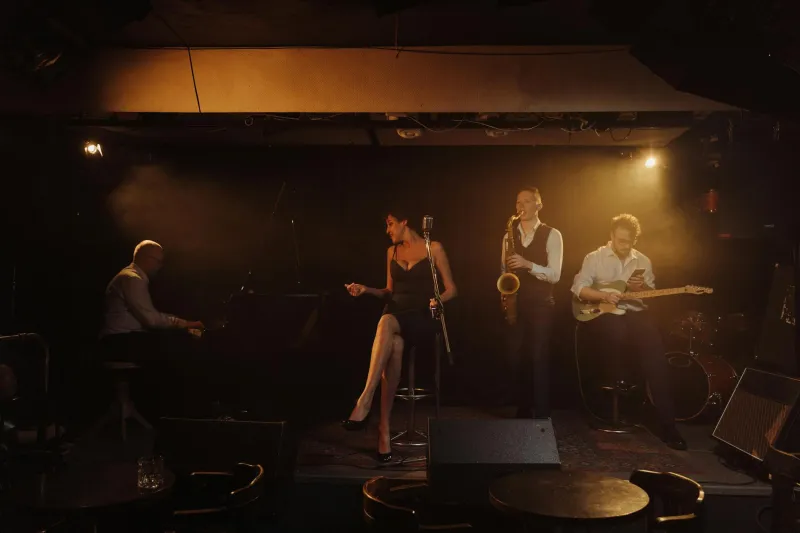
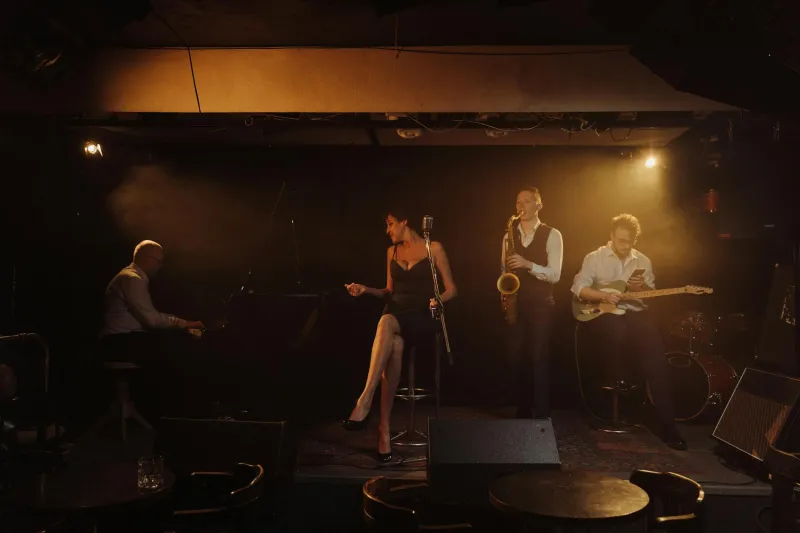
The northern circuit wasn't just about comedy. Singers, dancers, magicians, and novelty acts all found their places in the ecosystem. The best venues prided themselves on offering genuine variety, creating shows that could appeal to entire families across multiple generations.
This variety tradition produced performers who were genuinely multi-talented. They could sing, dance, tell jokes, and interact with audiences because the circuit demanded versatility. When television began looking for presenters who could handle live audiences, chat shows, and variety programmes, the northern circuit had already been training them for years.
The Decline and Legacy
The working men's club circuit began declining in the 1980s and 1990s as social habits changed and entertainment options multiplied. Many of the venues that had nurtured generations of performers closed their doors forever. But their legacy lived on in the careers they'd launched and the standards they'd established.
Today's comedy clubs and open mic nights owe a debt to these earlier venues. The principle remains the same: face a live audience, earn your laughs, and learn from your failures. But the intimacy and community spirit of the original circuit has been harder to replicate.
The Modern Echo
While the traditional working men's club might be largely extinct, its spirit lives on in unexpected places. Comedy clubs in Manchester and Leeds carry forward the tradition of uncompromising audience feedback. Tribute acts and variety shows still tour the remaining venues, keeping alive the skills that made the northern circuit so effective at developing talent.
The lesson of the working men's club circuit isn't just historical curiosity – it's a reminder that the best entertainment often comes from the most unpretentious sources. The performers who learned their craft in these venues understood something that's often forgotten in today's media landscape: the audience is everything, and if you can't entertain them, nothing else matters.
In an age of manufactured talent and reality TV shortcuts to fame, the old northern circuit stands as a testament to the value of apprenticeship, authenticity, and the simple art of making people laugh after they've finished a hard day's work.