The Landscape That Launched a Thousand Scripts
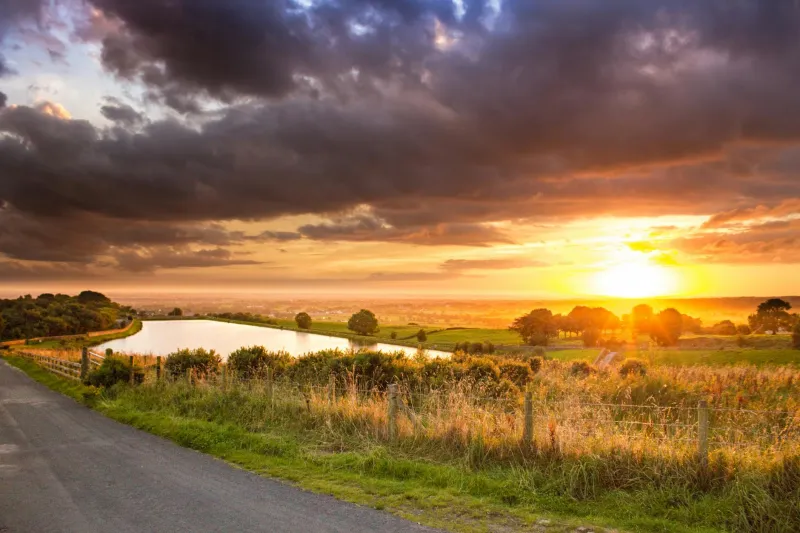
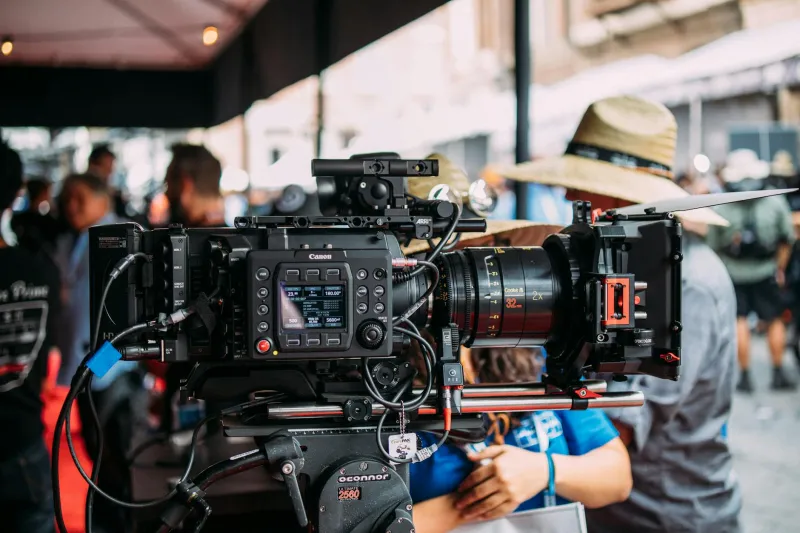
Drive through any Yorkshire Dales village on a Tuesday morning and you're as likely to spot a film crew setting up shop as you are a proper Yorkshire pudding. From the long-running saga of Emmerdale Farm (now simply Emmerdale) to the darker turns of Happy Valley, Gentleman Jack, and All Creatures Great and Small, our rugged northern landscapes have quietly conquered British television.
But this isn't just about pretty views and convenient parking for the catering van. The Dales have become a £50 million industry, transforming sleepy market towns into bustling film sets and turning local farmers into inadvertent location scouts.
More Than Just a Pretty Face
The appeal goes deeper than postcard-perfect stone walls and rolling green hills. "Yorkshire gives you everything," explains location manager Sarah Holdsworth, who's worked on productions from Downton Abbey to The Crown. "You want a cosy village pub? We've got hundreds. Need a windswept moor for a dramatic confrontation? Take your pick. Want a proper Northern industrial backdrop? Sheffield and Leeds are forty minutes down the road."
This versatility has made the region a Swiss Army knife for television producers. Happy Valley uses the same Hebden Bridge locations that doubled for 1920s Halifax in Gentleman Jack. The Yorkshire Dales National Park estimates that over 200 productions have filmed in the area since 2010 alone.
The Emmerdale Effect
No discussion of Yorkshire's television dominance can ignore the Emmerdale phenomenon. Since 1972, the soap has called the Dales home, first in the real village of Arncliffe, then at purpose-built sets near Harewood. The show's longevity has created something unique in British television – a fictional Yorkshire community that feels more real to many viewers than actual Yorkshire villages.
"We get coach loads of tourists every week looking for the Woolpack," laughs Margaret Whitfield, who runs a B&B in Grassington. "I've had to explain more times than I can count that it's not a real pub, but they still want to walk the same streets where the characters supposedly live."
This blurring of fiction and reality has had profound economic effects. The Yorkshire Tourist Board estimates that Emmerdale alone generates over £30 million annually for the local economy, with fans making pilgrimages to filming locations across the region.
The Happy Valley Revolution
While Emmerdale established Yorkshire as television territory, it was Happy Valley that proved the Dales could handle grittier fare. Sally Wainwright's crime drama, starring Sarah Lancashire as the indomitable Catherine Cawood, showcased a Yorkshire that was beautiful but brutal, community-minded but crime-ridden.
"Happy Valley changed how people see us," says local councillor James Morrison. "Suddenly we weren't just rolling hills and sheep. We were a place where real stories could happen, where complex characters lived complex lives."
The show's success opened floodgates. Productions like Gentleman Jack, All Creatures Great and Small, and The Yorkshire Vet followed, each finding different angles on the same essential Yorkshire character – proud, practical, and uncompromisingly honest.
The Locals' Perspective
Not everyone's thrilled about their back garden becoming Britain's most popular film set. "You can't move for film crews some days," complains retired teacher David Hargreaves from Grassington. "They block the roads, fill up the car parks, and turn everything into a performance."
But others have embraced the chaos. Local businesses report boom times during filming seasons, with production crews spending heavily on accommodation, catering, and equipment hire. Some residents have found unexpected second careers as extras, location assistants, or equipment suppliers.
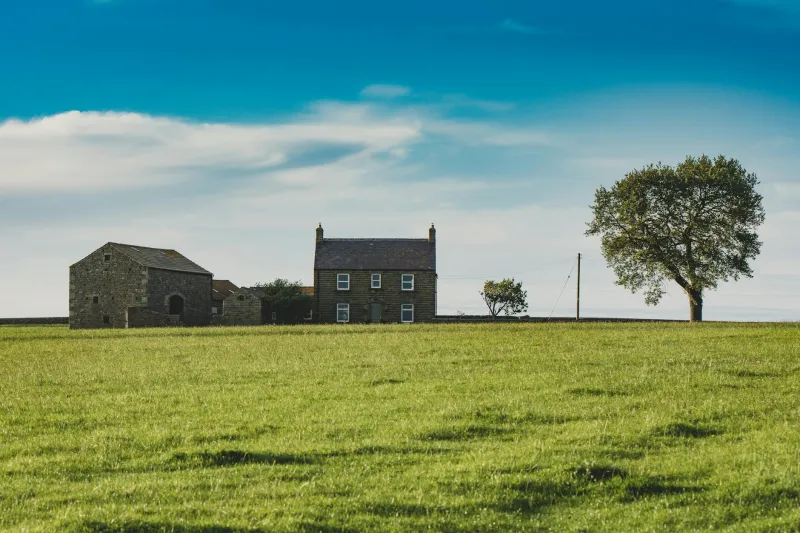
"My barn's been in three different productions," grins farmer Tom Bradley. "It's been a Yorkshire Dales farm, a 1920s Halifax workshop, and a Victorian stable block. Same barn, different stories."
The Stereotype Trap
The constant stream of productions has created an unexpected problem: Yorkshire's television success might be limiting how the region is perceived. Critics argue that the endless parade of rolling hills and dry-stone walls risks reducing Yorkshire to a collection of visual clichés.
"We're in danger of becoming a theme park version of ourselves," warns cultural historian Dr. Amanda Richardson from Leeds University. "Television Yorkshire is all flat caps and whippets, when the real Yorkshire is cities and suburbs, diversity and change."
Looking Forward
Despite concerns about over-exposure, the Yorkshire Dales show no signs of losing their television appeal. New productions are announced regularly, and the region's film offices report enquiries from international producers eager to capture that distinctive Northern English atmosphere.
The challenge now is ensuring that television success doesn't overwhelm the authentic communities that made the region attractive in the first place. As one Grassington resident put it: "We don't mind sharing our home with the cameras, but we'd quite like to keep living here too."
The Yorkshire Dales have conquered British television not through aggressive marketing or generous tax breaks, but by simply being themselves – dramatic, beautiful, and utterly, authentically Northern. In an industry obsessed with artifice, that authenticity has proven to be the most valuable commodity of all.