Muddy Boots and Masterpieces: How Northern Grit Forged Britain's Greatest TV Directors
Born from Necessity, Raised on Reality
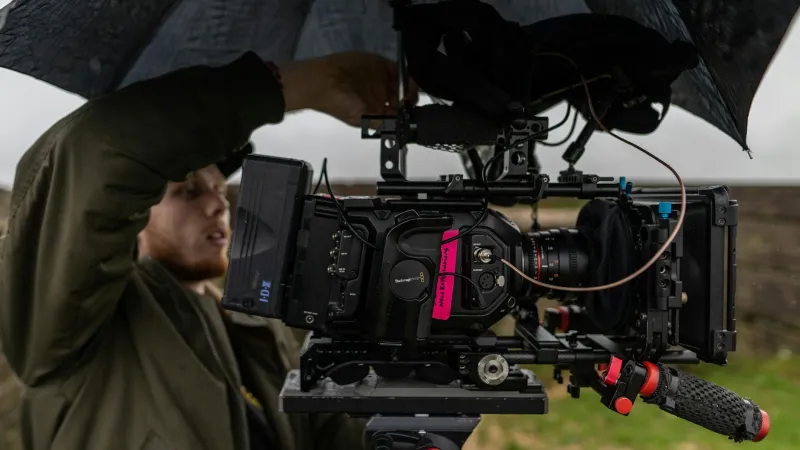
There's something about filming on a budget in horizontal rain that either breaks you or makes you brilliant. Northern England has produced a disproportionate number of television directors who've gone on to define British screen drama, and it's no coincidence that they all share one common experience: learning their craft in conditions that would make southern crews pack up and head home.
These directors didn't have the luxury of controlled studio environments or unlimited retakes. They had to capture magic between rain showers, work around limited daylight hours, and make every shot count because film stock was expensive and time was short. This forge of necessity created a generation of visual storytellers who could see poetry in puddles and drama in drizzle.
The Pennine Film School
Long before film schools became fashionable, the real education was happening on the streets of Northern England. Directors like Mike Leigh cut their teeth on small budgets and smaller crews, learning that great television comes from understanding people and places, not expensive equipment.
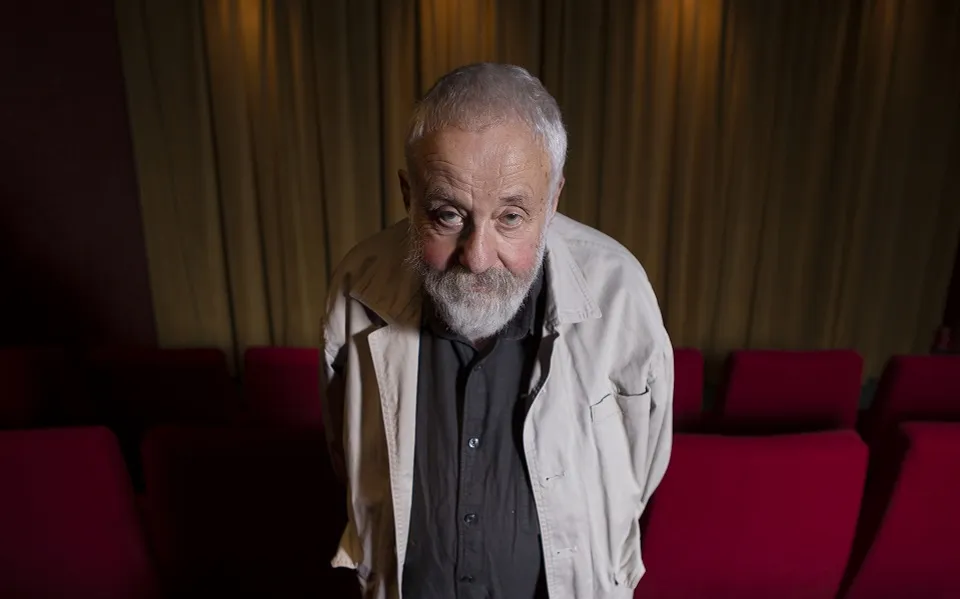 Photo: Mike Leigh, via www.cityam.com
The landscape itself became their greatest teacher. Those endless shots of characters walking across windswept moors weren't just pretty pictures – they were visual metaphors for isolation, determination, and the human spirit's relationship with an unforgiving environment. When you're filming on the Yorkshire Dales in February, every frame has to justify the frostbite.
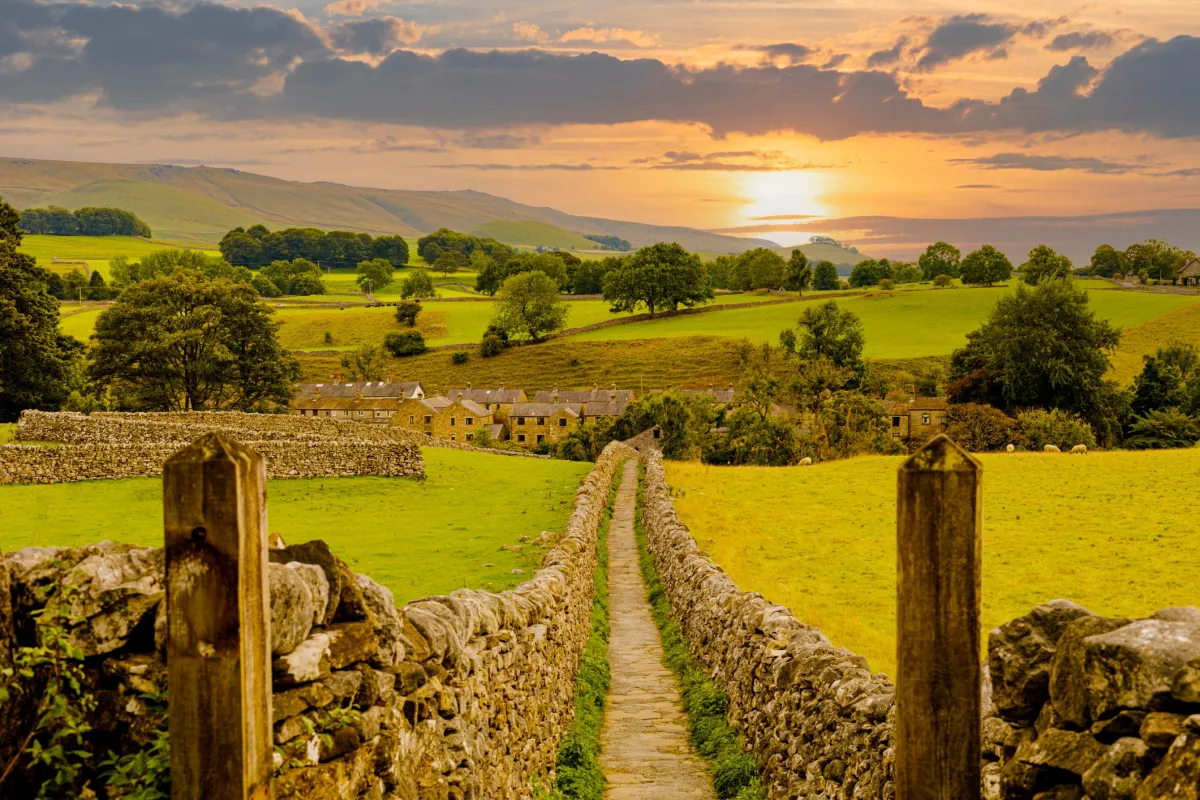 Photo: Yorkshire Dales, via static.independent.co.uk
Ken Loach's approach to filming in working-class Northern communities wasn't just about authenticity – it was about understanding that the environment shapes the story as much as the script. His camera work in films and television dramas set in Newcastle, Sheffield, and Manchester captures not just what these places look like, but how they feel to the people who live there.
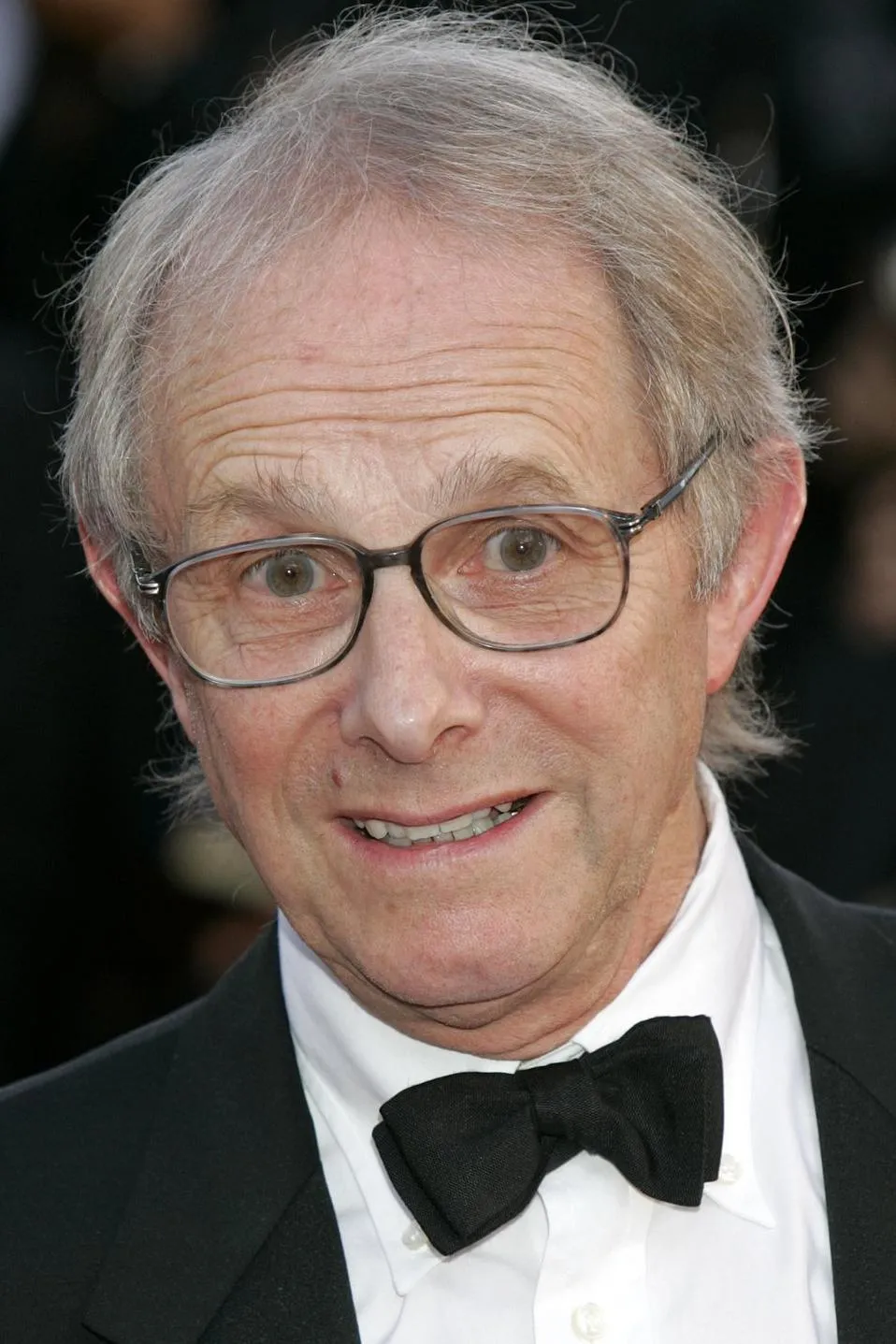 Photo: Ken Loach, via pics.filmaffinity.com
The Art of Making Do
Northern directors became masters of resourcefulness by necessity. When your budget can't stretch to multiple camera setups, you learn to choreograph scenes that tell complete stories in single, carefully planned shots. When weather threatens to derail your schedule, you learn to incorporate the rain into the narrative rather than hiding from it.
This practical approach to filmmaking created a distinctly Northern visual language. Quick cuts became less important than sustained observation. Elaborate camera movements gave way to perfectly positioned static shots that let the landscape and the actors do the work. The result was television that felt more honest, more grounded, more real than anything coming out of well-funded southern studios.
Shane Meadows exemplifies this approach perfectly. His early work, much of it filmed around Nottingham and the East Midlands, demonstrates how limitations can become strengths. Without money for elaborate sets, he used real locations that added layers of meaning to every scene. Without budgets for special effects, he focused on performances that didn't need enhancement.
Weather as Character
Southern directors often treat weather as an inconvenience to be managed. Northern directors learned to treat it as another cast member. The persistent drizzle in so many Northern-set dramas isn't just atmospheric – it's narrative. It affects how characters move, how they dress, how they interact with each other and their environment.
This understanding of weather as storytelling tool has influenced British television drama for decades. The rain in Coronation Street isn't just rain – it's a reminder of the characters' circumstances, their resilience, their determination to keep going regardless of what life throws at them. The fog rolling across the moors in countless period dramas becomes a visual representation of uncertainty, mystery, and the unknown.
The Intimacy of Terraced Streets
Filming in Northern England's narrow terraced streets taught directors lessons about intimacy and community that couldn't be learned anywhere else. These tight spaces forced creative camera work – how do you establish a sense of place when your widest possible shot is still claustrophobic?
The answer was to embrace the intimacy rather than fight it. Northern directors learned to use close-ups not just for emotional impact, but to create a sense of community and shared experience. When everyone's living on top of each other, the camera needs to reflect that proximity.
This approach influenced how British television portrays working-class life. Instead of the distant, observational style that might suit wide-open spaces, Northern-trained directors developed techniques that put viewers right into the heart of these communities. You don't just watch these characters' lives – you feel like you're living alongside them.
The Legacy Lives On
Today's Northern directors carry forward this tradition of resourceful storytelling, even when budgets allow for more elaborate productions. The lessons learned on soggy moors and cramped streets – that story matters more than spectacle, that authenticity beats artifice, that limitations often lead to innovation – continue to influence British television.
Directors like Sally Wainwright, whose work on Happy Valley and Last Tango in Halifax demonstrates the ongoing power of Northern storytelling traditions, prove that this approach remains relevant. Her visual style, rooted in the Yorkshire landscape and communities she knows intimately, shows how the lessons of those early, budget-conscious days continue to produce compelling television.
More Than Just Making Do
What's remarkable is how many of these directors, when given bigger budgets and more resources, chose to maintain the visual language they developed during their lean years. The intimate camera work, the respect for landscape as narrative element, the focus on character over spectacle – these became stylistic choices rather than financial necessities.
This suggests that those muddy boots and freezing fingers weren't just obstacles to overcome, but essential parts of an education that couldn't be replicated in comfortable circumstances. The Northern landscape, with all its challenges and limitations, didn't just produce television directors – it produced a distinctly British way of seeing and telling stories that continues to influence screen drama today.
In an era of increasingly globalised television production, these directors represent something precious: a connection to place, community, and authentic experience that no amount of money can buy. Their greatest achievement isn't just surviving those early days of filming in impossible conditions – it's proving that sometimes the best art comes from the worst weather.