From Bingo Caller to Broadcasting Hub: Northern Buildings Getting Second Acts in Showbiz
The Resurrection Business
Walk through any Northern town centre and you'll spot them – grand buildings that once served their communities in completely different ways, now quietly humming with the business of making television. That former Methodist chapel in Hebden Bridge? It's now cutting-room central for a major streaming series. The old Co-op department store in Stockport? It houses the writers' room where next year's biggest drama is taking shape.
This isn't just about cheap rent (though that certainly helps). These repurposed spaces bring something intangible but invaluable to the creative process: character, history, and a sense of place that purpose-built studios can never replicate.
When Churches Become Creative Cathedrals
St. Paul's Church in Manningham, Bradford, spent decades serving its congregation before finding new purpose as a production hub for several Yorkshire-based television projects. The soaring ceilings that once carried hymns now contain the chatter of script meetings and the hum of editing equipment.
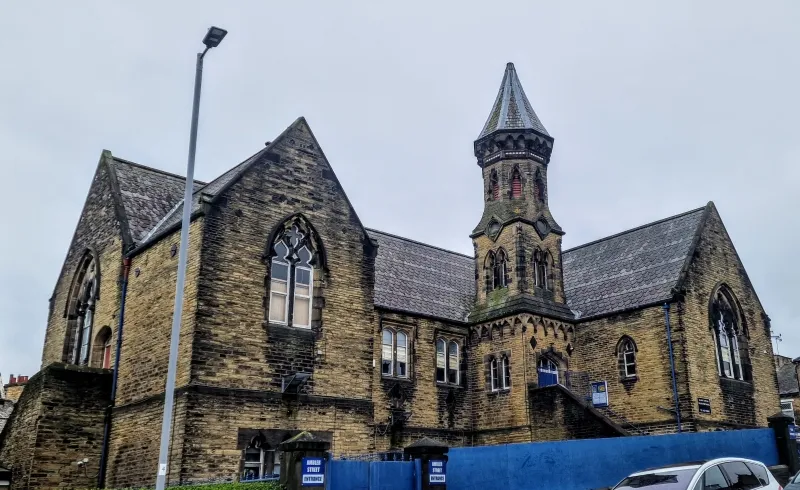 Photo: St. Paul's Church in Manningham, Bradford, via s3.britishlistedbuildings.co.uk
What makes these ecclesiastical conversions so perfect for television work? The acoustics, for starters. Churches were designed for the human voice to carry clearly, making them ideal for recording and mixing. The high ceilings provide excellent natural reverb, while the solid stone construction keeps external noise to a minimum.
But it's more than just practical considerations. There's something about working in a space with genuine history that influences the creative process. Writers speak of feeling connected to the generations of storytellers – from preachers to parishioners – who've shared their narratives within these walls.
Mills That Once Wove Cotton Now Weave Stories
The conversion of Manchester's Ancoats mills into media spaces represents one of the most successful transformations of industrial heritage into creative industry. These Victorian powerhouses, which once drove the cotton trade that built the British Empire, now house the production companies creating content for global streaming platforms.
The Beehive Mill, perhaps the most famous of these conversions, demonstrates how industrial architecture translates beautifully to modern media needs. The vast open floors that once accommodated textile machinery now provide flexible spaces for everything from rehearsal rooms to sound stages. The robust construction means you can install heavy lighting rigs without worrying about structural integrity.
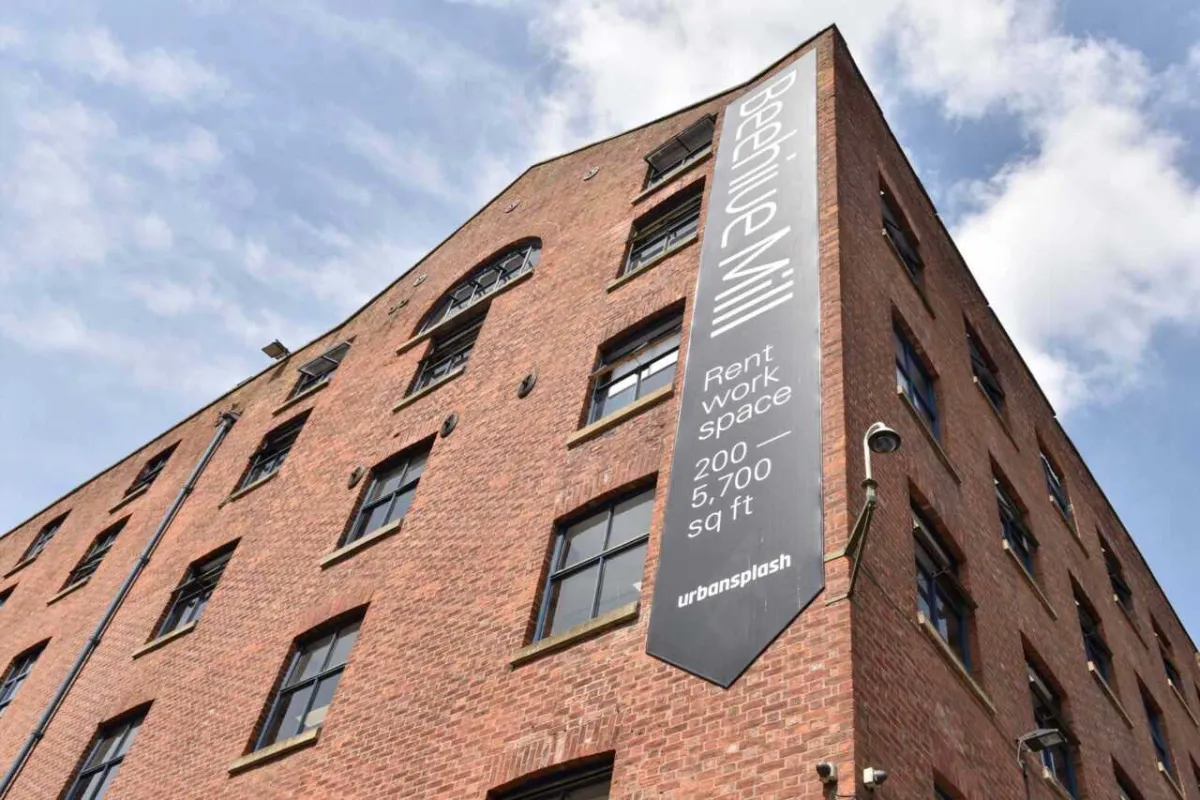 Photo: Beehive Mill, via www.urbansplash.co.uk
More importantly, these spaces retain the collaborative spirit of their industrial past. Just as mill workers once operated as a coordinated team to produce textiles, modern television production requires seamless cooperation between different departments. The open-plan nature of these converted spaces encourages the kind of cross-departmental communication that produces the best results.
Bingo Halls: From House to Full House
Perhaps the most unexpected transformation involves the region's former bingo halls. These mid-20th-century entertainment venues, with their excellent sightlines, robust sound systems, and tiered seating, have proven surprisingly adaptable to television production needs.
The old Mecca Bingo in Bolton now serves as a multi-purpose production facility, its former gaming floor converted into a sound stage while the old café area houses production offices. The building's original design – focused on ensuring every patron could see and hear clearly – translates perfectly to television production requirements.
These conversions often retain charming reminders of their previous lives. One Sheffield production company works in a former bingo hall where the original caller's booth now serves as a director's observation deck, complete with the vintage microphone system that once announced winning numbers.
Civic Buildings Finding New Civic Purpose
Town halls, libraries, and civic centres across Northern England are discovering that their democratic heritage makes them ideal for collaborative creative work. The council chambers in Rochdale Town Hall, where local democracy once played out, now host script readings and production meetings for several television projects.
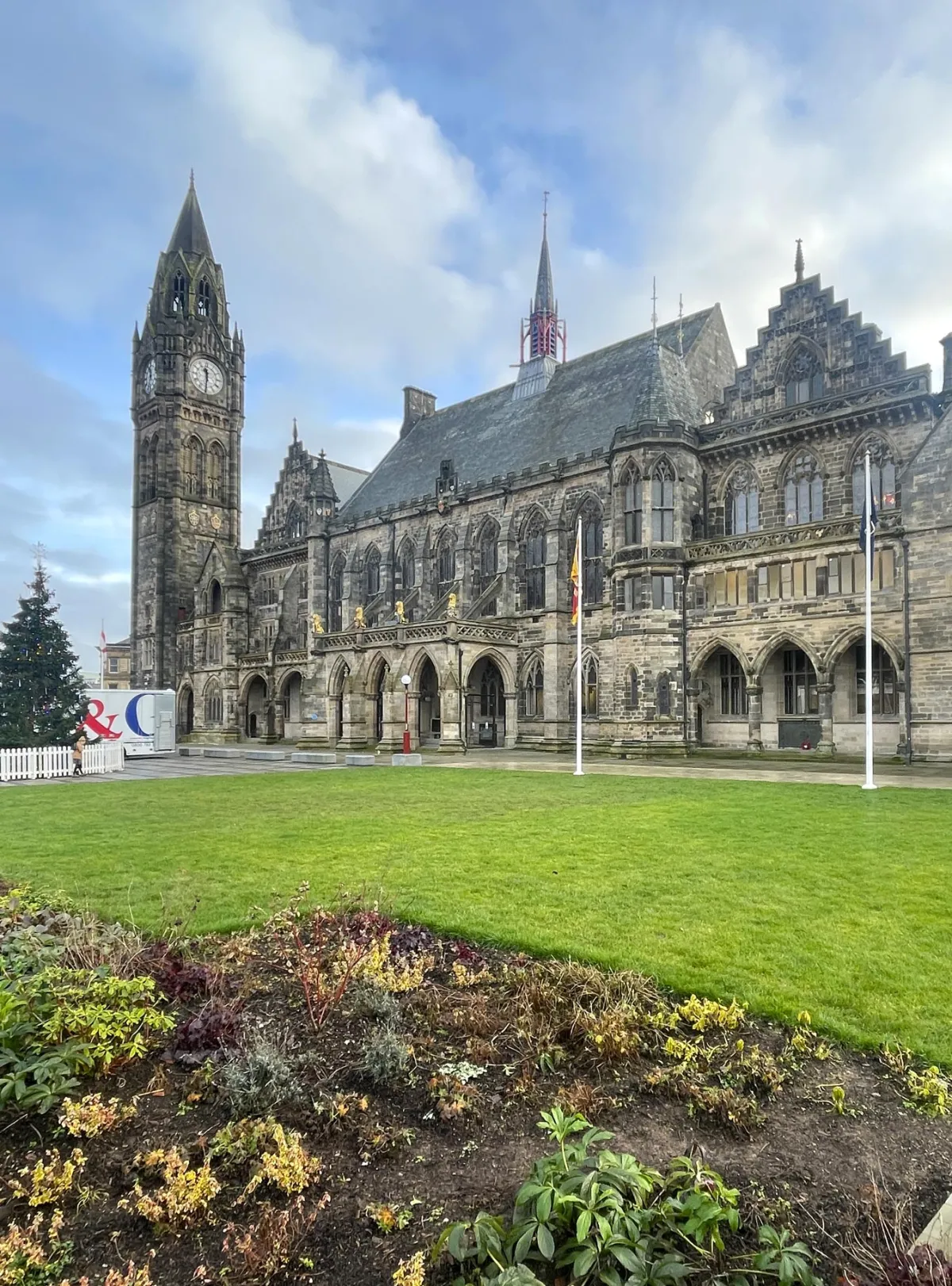 Photo: Rochdale Town Hall, via philemeryvisits.com
These spaces bring a sense of gravitas to the creative process. There's something about working in rooms where important decisions have been made that elevates the work being done today. The ornate Victorian architecture doesn't just provide visual inspiration – it seems to demand a certain standard of excellence from the work produced within its walls.
The Practical Magic of Adaptive Reuse
Beyond the romantic notions of heritage and atmosphere, these conversions make hard business sense. Northern England offers these magnificent buildings at a fraction of what equivalent space would cost in London, but that's just the beginning of their value proposition.
Many of these buildings come with infrastructure that's perfectly suited to modern media production. The electrical systems installed for industrial or civic use often exceed what's needed for television production. The parking facilities designed for mill workers or bingo players provide essential space for production trucks and equipment.
The thick walls that kept Victorian mill workers warm also provide excellent sound insulation for recording studios. The high ceilings that accommodated industrial machinery create perfect conditions for lighting setups and camera work.
Community Connections
Perhaps most importantly, these repurposed buildings maintain connections to their local communities that purpose-built studios can't replicate. When a former church becomes a production hub, it's not just changing function – it's continuing its role as a community gathering place, albeit in a different form.
Local residents often take pride in seeing these landmark buildings returned to active use. Rather than standing empty and deteriorating, they're once again contributing to the local economy and cultural life. This community connection often feeds back into the creative work being done inside, grounding productions in authentic local knowledge and experience.
The Future of Functional Beauty
As streaming services continue expanding their content production, and as more creators recognise the benefits of working outside London's expensive bubble, these Northern conversions represent a sustainable model for the industry's growth.
These buildings prove that the best creative spaces aren't always the newest or most expensive. Sometimes they're the ones with the most stories already embedded in their walls, waiting to inspire the next generation of storytellers. In Northern England's repurposed buildings, the past and future of British television production are writing their next chapter together.