Dear Coronation Street, I Love You: The Letters, Tweets and Tears That Prove Northern Telly Fans Are in a League of Their Own
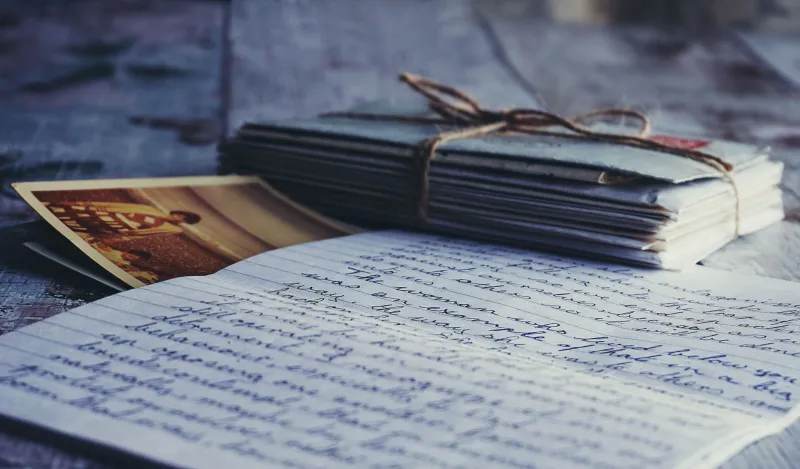
Somewhere in a filing cabinet — or more likely, a series of archive boxes in a storage facility in Salford — there are letters. Thousands of them. Tens of thousands, probably. Handwritten, typed, scrawled on the backs of envelopes, composed on headed notepaper with the kind of careful formality that people used to reserve for correspondence with their bank manager or their MP.
 Photo: Coronation Street, via www.backtothebay.net
They're letters to television programmes. And a remarkable proportion of them come from the North of England.
This is not a small or trivial thing. The relationship between Northern audiences and the television that represents them — or fails to represent them, or occasionally does something so right that it makes grown adults weep into their tea on a Tuesday evening — is one of the more extraordinary cultural phenomena that British broadcasting has quietly sustained for the better part of seven decades.
Before the Internet, There Were Stamps
Anyone who worked in television production during the pre-digital era will tell you that fan mail was a genuine operational consideration. It arrived in quantities that required dedicated staff to sort and, in some cases, respond to. For the biggest Northern shows, particularly the long-running soaps and the beloved drama serials that anchored weeknight schedules throughout the 1970s and 1980s, the volume was extraordinary.
Former production staff who worked on Granada Television's flagship programmes during that period have described mail rooms that functioned as a kind of real-time audience feedback system, months before focus groups and overnight ratings became the dominant tools of commissioning decisions. If a storyline was going wrong, the letters told you. If an actor had connected with viewers in an unexpected way, the letters told you that too — usually before the ratings had a chance to confirm it.
What distinguished Northern correspondence, by multiple accounts, was its specificity. These weren't generic fan letters. They were detailed, engaged, and frequently quite personal. Viewers wrote about why a particular storyline resonated with their own experience. They wrote about relatives who reminded them of characters. They wrote corrections — sometimes politely, sometimes not — when a show got something wrong about how people in their town actually spoke, or worked, or spent a Saturday afternoon.
There was a proprietary quality to it. Northern audiences felt, with considerable justification, that these were their shows. They'd watched them grow up, in some cases literally. They had opinions, and they were not shy about sharing them.
The Actors Who Never Forgot
For the performers on the receiving end, fan mail could be genuinely moving — and occasionally genuinely alarming, though the alarming stories tend to be told with more affection than unease in retrospect.
Veteran Northern actors who spent years on long-running dramas and soaps have spoken warmly in interviews about the letters they received from viewers going through difficult times — bereavement, illness, loneliness — who found something sustaining in a familiar face on the screen. The parasocial relationship that contemporary commentators sometimes treat as a modern and vaguely pathological phenomenon is, of course, nothing new. People have always formed emotional attachments to characters and the actors who play them. What's specific to Northern audiences is the willingness to actually say so, out loud, in writing, and post it.
One actress, a Coronation Street stalwart for many years, once described receiving a letter from an elderly woman in Rochdale who wrote every Christmas without fail for over a decade, updating her on family news as though they were old friends. "She knew perfectly well I was a character," the actress recalled. "But she also knew I was real. She just wanted to make a connection. That's all it ever was, really."
The Digital Shift
The internet didn't diminish Northern fan culture. It amplified it, gave it new tools, and connected people who'd previously been writing their passionate opinions into a void with thousands of others who felt exactly the same way.
Northern television fandoms on social media are a force of nature. The speed and volume with which Twitter — now X — would explode during a major Emmerdale or Coronation Street episode became something production teams actively monitored. The conversation was immediate, opinionated, and often funnier than anything the shows themselves could have manufactured.
What's interesting is that the character of the engagement remained consistent with the old letter-writing tradition. Specificity. Personal investment. A sense of ownership. Northern social media fans didn't just react — they analysed, they contextualised, they remembered. They'd reference storylines from twenty years ago to make a point about something happening now. They'd correct accents and geography with the confidence of people who live there and know exactly what it sounds like.
Production social media teams have spoken about the particular experience of Northern fan engagement as something qualitatively different from the general audience response. The depth of knowledge is greater. The emotional stakes feel higher. And the willingness to engage directly with cast and crew — to treat them as people rather than celebrities — is more pronounced.
Why Does It Matter This Much?
It's a fair question. Why do Northern audiences invest so heavily in their television?
Part of the answer is representation. For communities that have historically felt ignored, misrepresented, or condescended to by national media, seeing your world accurately rendered on screen is not a small thing. When a show gets it right — the rhythms of the speech, the texture of the streets, the specific way that humour and grief coexist in Northern working-class life — the recognition is profound. Of course you want to write to someone about it.
Part of it is also community. Television, particularly before the era of infinite streaming choice, was a shared experience in a very literal sense. Whole streets watched the same things at the same times. The shows became communal property, subjects of conversation that connected neighbours, colleagues, and families. Writing a letter to a production company was, in a strange way, an extension of that community impulse — a way of participating rather than merely consuming.
Still Going Strong
The volume of correspondence — in all its forms — shows no sign of declining. If anything, the tools available to devoted Northern viewers have made the expression of that devotion more immediate, more visible, and more powerful.
Production companies making Northern-set content know this. They monitor it, they respond to it, and the smart ones genuinely learn from it. The Northern audience is not a passive recipient of whatever gets made and broadcast in their direction. It never was.
They watch. They feel. They write. And they're not going anywhere.