Pies, Passion and Prime Time: How Northern Cooks Took the Nation's Kitchens by Storm
Pies, Passion and Prime Time: How Northern Cooks Took the Nation's Kitchens by Storm
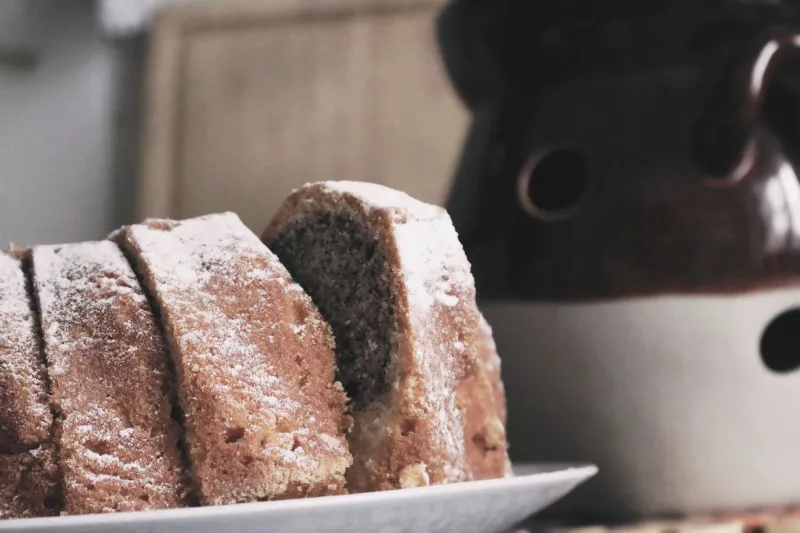
There's a moment that any regular viewer of British cooking competition telly will recognise. The contestant steps forward, dish in hand, and announces something like: "This is my nan's parkin, made with proper black treacle, just like she made it every Bonfire Night in Barnsley." The judges lean in. The music swells. And somewhere across the country, a few million people who've never been within a hundred miles of South Yorkshire quietly google "what is parkin."
It's become something of a ritual. And it's not an accident.
Northern contestants on cooking shows — from the big tent on the village green to the high-pressure professional kitchens of Saturday night prime time — have consistently punched well above their weight. They've won, they've charmed, and perhaps most importantly, they've educated. The question worth asking is whether all that screen time has been genuinely good for Northern food culture, or whether it's quietly flattened something rich and complicated into something more easily digestible for a southern audience.
The Stats Don't Lie
Look back across a decade of British food competition television and a pattern emerges fairly quickly. Northern contestants — particularly those from Yorkshire, Lancashire, and the North East — appear in finals at a rate that would be hard to explain by geography alone. Food historians and television researchers have pointed to a few reasons for this.
Part of it is confidence. There's a directness to how many Northern cooks talk about food that translates brilliantly on camera. There's no fussiness, no over-explaining. The food means something, it comes from somewhere, and the person making it knows exactly why. That kind of authenticity is television gold, and producers — even if they'd never admit it — know it.
Part of it is also the sheer depth of the tradition. Yorkshire alone contains multitudes: the baking heritage of the Dales, the spice-influenced curry houses of Bradford that genuinely shaped British food culture in the twentieth century, the fishing communities along the coast where recipes for potted shrimp and smoked fish have been passed down through generations. That's a lot of material to work with when you're standing in front of a camera trying to explain who you are.
Life After the Cameras
Ask anyone who's been through the process and they'll tell you the same thing: it's nothing like you imagine, and the aftermath is even less like you imagine.
One former contestant from the Harrogate area, who reached the semi-finals of a major BBC cooking competition a few years back, described the experience as "completely surreal — one week you're making a Victoria sponge in your own kitchen for the school fête, and six months later you've got people stopping you in Morrisons to tell you your custard tart made them cry."
The post-show bump is real. Several Northern contestants have parlayed their screen time into cookbooks, supper clubs, pop-up restaurants, and food tour businesses. A woman from Skipton who became something of a fan favourite on a Channel 4 competition reportedly saw her local café fully booked every weekend for the better part of a year after her episode aired. A man from Sunderland who specialised in reinventing working men's club classics for fine dining settings ended up with a restaurant column in a regional paper and a loyal following that's still going strong.
For some, though, the transition is trickier. The cameras go away, the social media buzz fades, and you're left with a slightly elevated local profile and the pressure to keep producing content that justifies the attention. More than one former contestant has spoken — usually off the record — about the strange grief of returning to ordinary life after weeks of being told you're exceptional.
Does Telly Actually Get Northern Food?
Here's where it gets a bit more complicated.
The honest answer is: sometimes, brilliantly. And sometimes, not remotely.
At its best, food competition television has given Northern cooks a platform to challenge the lazy assumptions that still exist about what people eat up here. The notion that Northern food begins and ends with chips, gravy, and a flat cap is — to put it politely — decades out of date. The food scenes in Leeds, Manchester, Newcastle, and Sheffield are as sophisticated and diverse as anywhere in the country, and when a show allows a contestant to properly explore that complexity, something genuinely valuable happens.
At its worst, though, the format imposes its own logic. There's pressure to produce a "signature dish" that reads as authentically regional, which can tip into caricature. Producers looking for a coherent narrative sometimes push contestants toward the most recognisable version of their identity — the cosy Northern baker, the no-nonsense Yorkshire grandmother — rather than the more interesting, messier reality.
Food writers who've covered this territory are fairly blunt about it. The shows are entertainment first, cultural documentation a distant second. That's fine, as long as viewers understand the distinction.
The Tourism Effect
What nobody disputes is the economic ripple. When a cooking show features a contestant waxing lyrical about the rhubarb triangle between Wakefield, Morley, and Rothwell, or the kippers smoked in Whitby, or the tripe shops that once defined Oldham's market culture, something shifts in how those places are perceived.
Visit Yorkshire and similar regional tourism bodies have been paying attention for years. The connection between a well-placed telly appearance and a measurable spike in visitor numbers is well documented at this point. People want to taste what they've seen. They want to stand in the market where the contestant bought their ingredients. They want the full experience.
It's not without its complications — there are only so many visitors a small market town can absorb before the charm starts to fray — but on balance, the exposure has been overwhelmingly positive for communities that sometimes struggle to get national attention for the right reasons.
What Comes Next
The appetite — and yes, the pun is entirely intended — for this kind of content shows no sign of slowing. Streaming platforms are commissioning more food-focused documentary series, regional cooking shows are finding new audiences online, and the social media ecosystem around food competition television has created a whole secondary world of fan engagement that keeps the conversation going long after the finale.
For Northern food culture, the opportunity is significant. The platform exists. The talent is there. The stories are extraordinary. The challenge now is making sure that when those stories get told, they're told properly — in all their complicated, spiced, smoked, slow-cooked, gloriously unglamorous glory.
Not just the parkin. All of it.