The Everyday Film Sets: When Your Street Corner Becomes Britain's Next TV Backdrop
The Knock on the Door
It usually starts with a polite knock and an apologetic smile. A location scout clutching a clipboard and wearing the kind of practical outdoor jacket that screams 'television professional' will appear on your doorstep with an unusual request: would you mind terribly if we turned your street into a crime scene for the next three days?
For residents of Holmewood Close in Bradford, this scenario has become surprisingly routine. The modest cul-de-sac of 1970s semi-detached houses has hosted everything from gritty police procedurals to heartwarming family dramas, yet you won't find it mentioned in any filming location guide.
"We've had murders, kidnappings, family reunions, and at least two different Christmas specials," chuckles Margaret Thornton, who's lived at number 14 for thirty-seven years. "The kids think we're famous, but nobody ever puts us on the map."
The Art of Being Perfectly Ordinary
That anonymity is precisely what makes places like Holmewood Close so valuable to television producers. These streets possess something increasingly rare in British television production: the ability to look completely unremarkable.
"We're not looking for chocolate box pretty or architecturally significant," explains location manager Sarah Chen, whose company has scouted hundreds of Northern residential areas over the past decade. "We need places that feel like they could be anywhere, that don't distract from the story being told."
The criteria for selecting these everyday film sets is more complex than it might appear. Producers need streets with good vehicle access for equipment lorries, minimal through traffic to avoid disruption, and houses that photograph well without being so distinctive that they become recognisable from show to show.
More importantly, they need communities willing to put up with the considerable inconvenience that comes with hosting a television production.
Life Among the Cameras
For residents of frequently-filmed streets, the novelty wears off faster than you might expect. The initial excitement of spotting familiar faces from the telly quickly gives way to the practical realities of living on an active film set.
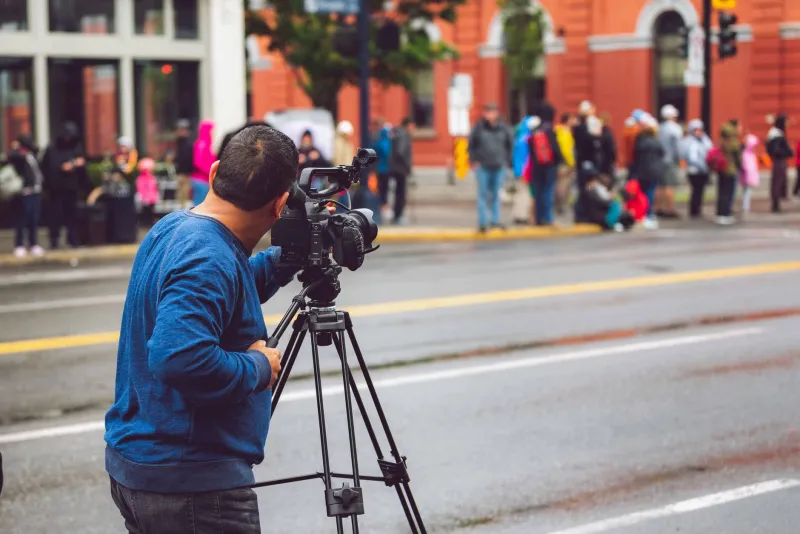
"You can't park outside your own house, you can't put your bins out, and heaven help you if you need an ambulance during filming," explains Derek Walsh, whose Oldham street has been used for five different dramas in the past two years. "They pay compensation, but it doesn't really cover the hassle."
The financial arrangements vary wildly depending on the production company and the level of disruption involved. Some residents receive token payments of £50-100 for allowing their property to appear in shot, while others whose homes are used for interior filming can earn several thousand pounds per day.
But money isn't the only consideration. Many residents speak of developing an unexpected pride in their street's television career, even when the fictional events being depicted are far from flattering.
The Psychology of Place
What television producers have discovered is that these ordinary Northern streets possess a particular authenticity that purpose-built sets can't replicate. The accumulated patina of real life – the slightly wonky garden gates, the mix of well-maintained and slightly shabby properties, the evidence of genuine human habitation – creates a credibility that viewers respond to on a subconscious level.
"There's something about a street where real people actually live that just reads differently on camera," notes television director Mike Harrison, whose credits include several major BBC dramas. "You can build the most detailed set in the world, but it'll never have that lived-in quality that comes from decades of genuine wear and tear."
This authenticity has become increasingly valuable as television drama has moved away from studio-based production towards more naturalistic location filming. The kitchen sink realism that has become a hallmark of British television requires settings that feel genuinely lived-in rather than artificially constructed.
The Invisible Infrastructure
Behind the scenes, a complex infrastructure has developed to support this location-based filming. Specialist companies maintain databases of suitable properties, complete with detailed photographs and notes about parking arrangements, noise restrictions, and previous filming history.
Local councils have developed streamlined permitting processes, recognising that location filming brings valuable economic benefits to their areas. A single week of television production can generate thousands of pounds in local spending on accommodation, catering, and services.
"It's become a proper industry," explains Councillor Janet Phillips from Kirklees Council's film office. "We've got streets that are basically professional film sets now, with residents who understand the process and facilities that meet industry standards."
Some locations have become so popular with producers that they're effectively booked up months in advance. A particularly photogenic street in Huddersfield has appeared in six different productions this year alone, earning its residents a reputation as the most accommodating film extras in Yorkshire.
The Celebrity Streets
While most filming locations remain anonymous, a few Northern streets have achieved a kind of cult status among television enthusiasts. Online forums dedicated to identifying filming locations buzz with speculation about where particular scenes were shot, turning ordinary residential areas into pilgrimage destinations for dedicated fans.
Rosebank Avenue in Stockport has become particularly notorious among location spotters after appearing in three high-profile crime dramas within eighteen months. Residents report occasional visits from fans attempting to recreate scenes from their favourite shows.
 Photo: Rosebank Avenue, via blogger.googleusercontent.com
"We had a group of lads from London turn up last summer, trying to find the exact spot where someone got murdered in 'Safe House'," laughs resident Carol Murphy. "I had to explain that nobody actually died – it's just where they pretended someone died."
The Future of Filming
As streaming platforms continue to invest heavily in British content, demand for authentic Northern locations shows no sign of diminishing. If anything, the global appetite for 'real' British drama has increased the premium placed on genuine rather than constructed settings.
This trend has led some enterprising residents to actively market their properties to production companies. Social media groups have emerged where homeowners share filming opportunities and advice about dealing with location scouts.
"It's become a bit of a cottage industry," admits Chen. "We've got people who've basically turned their homes into part-time film sets. They understand the business now, they know what we need, and they're brilliant to work with."
For the residents of these everyday film sets, the experience has provided an unexpected window into the television industry. They've learned about the army of technicians required to create even the simplest scene, the endless retakes needed to capture the perfect shot, and the surprising amount of waiting around that characterises professional filming.
Most importantly, they've discovered that their ordinary streets possess a kind of magic that television producers are willing to pay handsomely to capture. In an industry obsessed with glamour and artifice, the humble Northern housing estate has found its moment to shine – even if nobody will ever put it on the tourist map.