After Hours Accuracy: When TV Gets Our Night Out Culture Spot On (And Spectacularly Wrong)
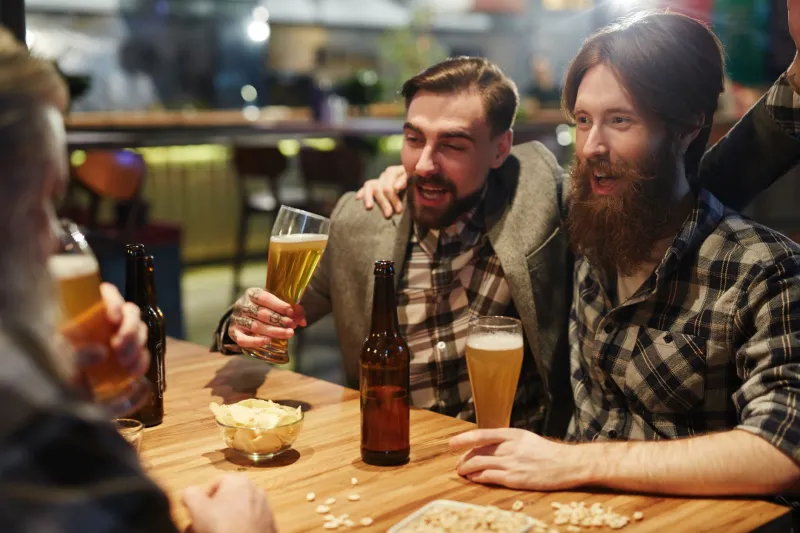
There's nothing quite like watching a TV drama attempt to recreate a proper Northern night out and getting it catastrophically wrong. You know the moment – when characters order drinks that don't exist, queue for chips with the patience of saints, or somehow navigate a sticky-floored nightclub in pristine white trainers. For Northern viewers, these details matter more than plot twists or character development. Get the chippy wrong, and you've lost us completely.
The Sacred Rituals of a Night Out
"The moment someone orders a pint of 'beer' instead of asking for a specific bitter, you know the writers have never set foot in a proper Northern pub," laughs Jenny Morrison, a scriptwriter from Leeds who's spent years trying to inject authenticity into television's portrayal of working-class nightlife. "It's like watching someone try to perform a ritual they've only read about in books."
The anatomy of a Northern night out follows unwritten rules as sacred as any religious ceremony. The pre-drinks at someone's house. The strategic pub crawl route designed to avoid certain establishments. The unspoken etiquette of the takeaway queue. The complex social dynamics of the taxi rank at 2am. Get these wrong, and Northern audiences switch off faster than last orders.
Take Shameless – the original Channel 4 version set on a Manchester council estate. Paul Abbott's writing captured the chaotic authenticity of Chatsworth Estate nightlife because he understood the culture from the inside. Characters didn't just drink; they drank specific drinks at specific times in specific places. The Jockey pub wasn't just a set – it was a living, breathing ecosystem that felt genuinely lived-in.
 Photo: Chatsworth Estate, via img.freepik.com
The Devil's in the Details
Location manager Rachel Taylor has worked on dozens of productions filming across Yorkshire and Lancashire. She's witnessed firsthand how small details can make or break authenticity. "I've seen directors insist on having characters drink wine in working men's clubs, or order fancy cocktails in estate pubs. You have to explain that this isn't about snobbery – it's about reality. These places have their own culture, their own unwritten rules."
The shows that get it right understand these nuances. This Is England perfectly captured the tribal nature of 1980s youth culture, from the pre-club rituals to the post-pub politics. Shane Meadows filmed in real locations with real people, creating an authenticity that no studio set could replicate.
Conversely, Coronation Street – despite being set in Manchester – sometimes struggles with contemporary nightlife scenes. The show's writers excel at kitchen sink drama but occasionally falter when characters venture beyond the cobbles into modern club culture. Recent episodes featuring young characters on nights out have felt stilted, as if written by people who remember clubbing rather than people who still do it.
Chippy Culture and Queue Dynamics
Perhaps nowhere is television's struggle with Northern nightlife more evident than in the humble chip shop. The post-pub pilgrimage to the chippy is a sacred ritual, governed by complex social rules that most TV productions completely miss.
"The queue dynamics in a proper chippy at midnight are like a masterclass in human behaviour," explains Dr. Amanda Stevens, a social anthropologist from Manchester Metropolitan University who's studied Northern drinking culture. "There's the drunk person trying to order something not on the menu, the couple having a row while deciding between chips and rice, the designated driver trying to corral their mates. It's pure theatre."
 Photo: Manchester Metropolitan University, via play-lh.googleusercontent.com
Yet television consistently portrays these scenes as orderly queues of polite customers making sensible decisions. Characters order quickly, pay without fuss, and leave without incident. Anyone who's actually stood in a Northern chippy queue at closing time knows this is pure fantasy.
Shameless again got this right, showing the chaotic reality of late-night food acquisition. Characters struggled to articulate orders, argued over change, and made questionable dietary choices influenced by alcohol and bravado. It felt real because it was real.
The Authenticity Test
Local audiences have become unwitting authenticity police, quick to spot when productions haven't done their homework. Social media amplifies these criticisms, with viewers dissecting everything from drink prices to toilet queue etiquette.
"We had one episode where characters were shown jumping a taxi queue," recalls writer Mark Henderson, who worked on several Northern-set dramas. "The response was immediate and brutal. Viewers weren't just annoyed about the queue-jumping – they were furious that we'd shown it without consequences. In real life, that behaviour would have caused a riot."
The pressure for accuracy has led some productions to employ 'cultural consultants' – locals who can spot potential authenticity disasters before they reach screen. These unsung heroes save productions from embarrassing mistakes, from ensuring characters drink the right brands to making sure club scenes feature appropriate music.
When It Goes Right
Happy Valley stands as a masterclass in authentic Northern nightlife portrayal. Sally Wainwright's writing captures the rhythms of West Yorkshire drinking culture with forensic accuracy. Characters drink in believable pubs, make realistic choices about where to go and when, and navigate the social complexities of small-town nightlife with genuine authenticity.
 Photo: West Yorkshire, via mhf-mag.com
The show's pub scenes feel lived-in because they're filmed in real locations with local extras who understand the culture. When characters have conversations in pub beer gardens or argue in takeaway queues, it feels natural because the writers understand these spaces as genuine social environments, not just dramatic backdrops.
Line of Duty, despite being primarily a police procedural, occasionally ventures into Northern nightlife territory. When it does, the accuracy is striking. Characters visit believable venues, order appropriate drinks, and behave in ways that feel genuinely Northern rather than generically 'working class'.
The Stakes Are Higher
For Northern viewers, these details aren't just about accuracy – they're about representation. When television consistently misrepresents Northern nightlife culture, it perpetuates stereotypes and misunderstandings about Northern life more broadly.
"Getting the pub culture wrong suggests you don't understand the community," argues cultural critic David Walsh from Liverpool John Moores University. "These aren't just places people drink – they're social institutions. When TV treats them as generic backdrops, it misses the entire point of what these spaces mean to people."
The best Northern television understands that authenticity isn't about perfect realism – it's about emotional truth. Characters might make dramatic speeches in chip shop queues or have life-changing conversations in pub toilets, but the underlying culture needs to feel genuine.
As Northern stories increasingly dominate British television, the pressure for authenticity only grows. Audiences are more sophisticated, more critical, and more willing to call out productions that haven't done their homework. For writers, directors, and location managers, understanding Northern nightlife culture isn't just about avoiding embarrassment – it's about respecting the communities whose stories they're telling.
After all, get the chippy queue wrong, and no amount of stellar acting or clever plotting will save you from the wrath of viewers who know exactly how these rituals really work.