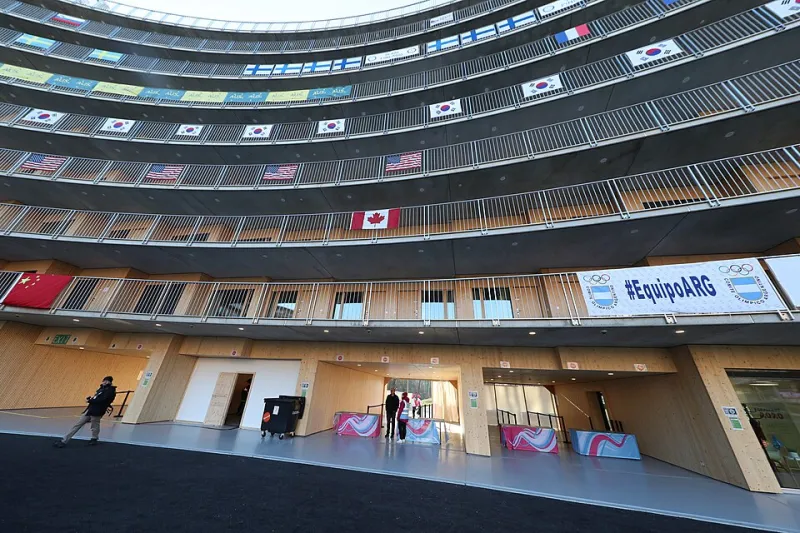
Classroom to Control Room: The Northern Colleges Crafting Tomorrow's TV Talent

Classroom to Control Room: The Northern Colleges Crafting Tomorrow's TV Talent
In a converted sports hall in Burnley, eighteen-year-old Mia Chen adjusts the lighting on what will become her final college project – a short documentary about local textile workers. The equipment is borrowed, the budget is non-existent, but the passion is unmistakable. In six months, she'll be working as a junior researcher on a major BBC drama. The pathway from this modest college studio to national television might seem unlikely, but across Northern England, similar stories unfold every day.
Whilst London's prestigious film schools grab the headlines and the hefty fees, a network of further education colleges, sixth forms, and community projects across the North has been quietly producing television's next generation of talent. From camera operators to producers, presenters to editors, these grassroots programmes are reshaping British television's DNA – often with budgets that wouldn't cover a London media course's catering costs.
The Unsung Heroes of Media Education
At Blackpool and the Fylde College, media tutor Graham Roberts surveys his domain with quiet pride. The television studio might not rival the BBC's facilities, but it's produced graduates now working on everything from Coronation Street to Netflix originals. "We've got lads and lasses who started here with nowt but enthusiasm, and now they're calling the shots on major productions," he explains, gesturing towards a wall of photographs showing former students on film sets across the country.
 Photo: Blackpool and the Fylde College, via volleyxpert.com
The college's media programme operates on a shoestring compared to university equivalents, but that limitation breeds creativity. Students learn to solve problems with ingenuity rather than expensive equipment. They understand budgets because they've had to work within them. Most importantly, they graduate without the crushing debt that burdens many university media students.
"Our students learn the reality of television production from day one," Roberts continues. "They know how to make something brilliant out of nothing because that's what they've been doing for two years. When they get to professional sets, they're not precious about equipment or processes – they just get on with it."
Northern Grit Meets Digital Innovation
The approach across Northern colleges reflects regional character – practical, no-nonsense, focused on getting results rather than theoretical frameworks. At Hull College, media students don't just study television production; they create actual programmes broadcast on local channels. Their weekly magazine show covers everything from local politics to student life, giving learners genuine broadcasting experience whilst still in education.
 Photo: Hull College, via wotpack.ru
"Theory's important, but you can't learn television production from textbooks," argues Sarah Mitchell, head of media at the college. "Our students are making real programmes for real audiences from week one. They learn by doing, and they learn fast."
This hands-on philosophy extends beyond traditional broadcasting. Many Northern colleges have embraced streaming, social media, and digital content creation as integral parts of their curricula. Students graduate understanding not just traditional television production but the entire modern media ecosystem.
At Carlisle College, tucked away near the Scottish border, students recently produced a documentary series about border communities that was picked up by a streaming service. The project started as a coursework assignment but evolved into a professional commission when industry scouts recognised its quality.
Community Connections
Unlike isolated university campuses, Northern colleges maintain deep connections with their local communities. Students don't just study media in abstract terms; they tell local stories, work with local businesses, and understand media's role in regional identity.
This community focus creates unique opportunities. When major productions film in Northern locations, local colleges often provide crew members, equipment, and facilities. Students get genuine industry experience whilst productions access local knowledge and enthusiasm.
"We had Netflix filming near Preston last year," recalls Lisa Thompson from Preston's College. "They needed local crew members who understood the area. Five of our students ended up working on the production, and two got offered permanent positions. That's the kind of opportunity you can't replicate in a classroom."
These connections work both ways. Local television professionals regularly guest lecture, offer mentorship, and provide work placements. The relationship between education and industry feels organic rather than forced, built on mutual benefit rather than formal partnerships.
The Funding Challenge
Despite their success, Northern media programmes face constant financial pressures. Equipment costs rise whilst education budgets shrink. Many colleges rely on donations, grants, and creative partnerships to maintain their facilities.
"We're constantly fighting for resources," admits David Harrison from Oldham College. "We've got students producing work that rivals university graduates, but we're doing it with equipment that's held together with gaffer tape and determination. The talent is there, the demand is there, but the funding isn't."
Some colleges have found innovative solutions. Bradford College partnered with local production companies to create a shared facility that serves both educational and commercial purposes. Students learn on professional equipment whilst the college generates revenue from commercial bookings.
Others have embraced crowdfunding and community support. When Sunderland College needed new cameras, local businesses and alumni contributed to a fundraising campaign. The equipment arrived with engraved plaques thanking supporters, creating a sense of community ownership in the programme's success.
Breaking Down Barriers
Perhaps most importantly, Northern colleges are democratising television education. Students who might never consider university – whether due to financial constraints, family circumstances, or academic background – find pathways into creative careers they never imagined possible.
"I left school with barely any qualifications," explains Jamie Foster, now a successful freelance camera operator who started at Wigan and Leigh College. "University wasn't an option, but the college media course gave me a chance. Two years later, I was working on major productions. It changed my life completely."
This inclusivity extends beyond individual success stories. Northern colleges actively recruit from underrepresented communities, offering access routes that traditional higher education often fails to provide. The result is a more diverse television workforce that better reflects modern Britain.
Industry Recognition
Slowly, the television industry is recognising the quality emerging from Northern colleges. Major broadcasters now actively recruit from these programmes, understanding that graduates arrive with practical skills and professional attitudes that complement traditional university training.
"We've started specifically targeting Northern colleges for recruitment," reveals a senior BBC producer who requested anonymity. "Their graduates understand the industry differently. They're not trying to be the next big director – they want to be brilliant at their actual jobs. That attitude is invaluable."
Some production companies have established formal partnerships with Northern colleges, offering guaranteed interviews for top graduates or sponsored placements during courses. These relationships benefit everyone – students get industry exposure, colleges maintain relevant curricula, and productions access eager, skilled workers.
The Future Pipeline
As British television continues its creative renaissance, the importance of Northern college programmes only grows. They're producing not just technical operators but creative thinkers who understand both traditional broadcasting and emerging platforms.
Recent graduates work across the industry spectrum – from traditional broadcasters to streaming services, from major drama productions to innovative digital content creators. Their Northern education, emphasising practical skills and community connection, proves increasingly relevant in a fragmented media landscape.
"The future of British television is being shaped in these college studios," argues media industry analyst Patricia Kumar. "These programmes are producing graduates who understand both the craft and the business of television. They're not just technically competent – they're culturally connected to the communities they serve."
As Mia Chen puts the finishing touches on her documentary project in that converted Burnley sports hall, she represents thousands of students across the North who are quietly preparing to reshape British television. Their journey from classroom to control room might lack the glamour of film school narratives, but their impact on the industry will be profound and lasting. In an age when authentic storytelling matters more than ever, these Northern-educated professionals bring exactly the combination of technical skill and cultural understanding that modern television demands.