Whatever Happened To: The Northern Telly Faces Who Vanished Overnight
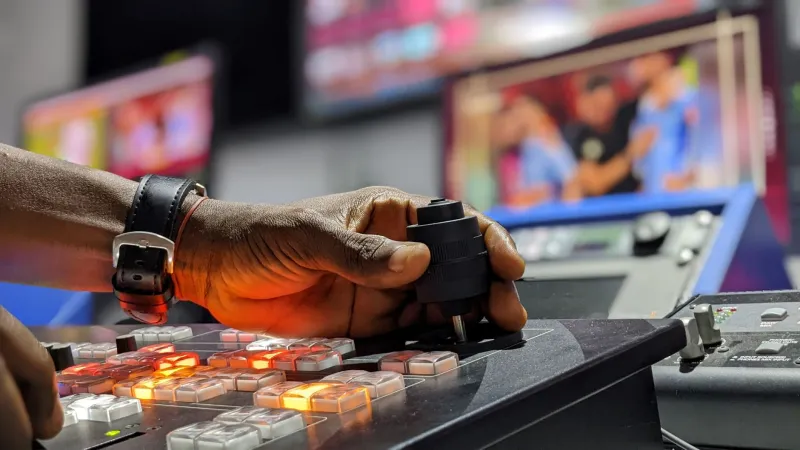
The Teatime Exodus Nobody Noticed
One day they were there, bright and breezy on our screens every weekday at half past five. The next, they'd vanished without fanfare, replaced by younger faces with shinier teeth and more social media followers. But what actually happens to beloved Northern television presenters when the industry decides it's time for "fresh blood"?
The answer, as we discovered during months of detective work across the North, is far more interesting than anyone might expect. These weren't tragic falls from grace or bitter industry rejections—they were conscious choices to build something different, something more meaningful than the relentless churn of modern television.
From Regional Royalty to Community Champion
Sarah Hartwell once ruled Tuesday evenings on Granada with her consumer affairs programme, tackling dodgy builders and rogue traders with the tenacity of a terrier. Her Northern straight-talking made her a household name across Manchester and beyond. Then, in 2019, she simply stopped appearing.
 Photo: Sarah Hartwell, via www.adler-baach.de
"I got tired of being told to 'dial down the accent' for national appeal," Hartwell explains from her current base in Oldham, where she runs a community radio station that's become a lifeline for local residents. "I realised I could do more good talking to a thousand people who actually needed my help than performing for a million who just wanted entertainment."
Her show, Oldham Unfiltered, tackles everything from housing disputes to mental health resources, using the same investigative skills that made her television career but with a freedom that commercial broadcasting never allowed. "I can spend forty minutes on one family's story if that's what matters. No producer's telling me to wrap it up for the weather forecast."
Hartwell's transition reflects a broader trend among Northern presenters who've discovered that authentic connection matters more than viewing figures.
The Podcast Pioneer Who Saw It Coming
Dave Morrison's weekend magazine show on Yorkshire Television was appointment viewing for a generation of families. His gentle humour and genuine curiosity about local stories made him feel like everyone's favourite uncle. When he announced he was leaving in 2020, fans assumed retirement beckoned.
 Photo: Dave Morrison, via img.fetishpornpic.com
Instead, Morrison launched Proper Yorkshire, a podcast that's now downloaded by over 50,000 people weekly—more than his television show ever reached. "Television became obsessed with format and demographics," he reflects from his home studio in Harrogate. "I wanted to get back to just having proper conversations with interesting people."
The podcast's success has surprised even Morrison. His recent series exploring the oral histories of Yorkshire's mining communities has been optioned by BBC Radio 4, whilst his interview with a Whitby fisherwoman's daughter became a viral sensation on social media.
"Turns out people were hungry for stories told properly, without all the television nonsense," Morrison chuckles. "Who knew?"
Teaching the Next Generation
Not every departed presenter has embraced new media. Jenny Walsh, whose morning magazine show was a fixture on Tyne Tees for fifteen years, found her calling in education when the axe fell in 2021.
"I was devastated initially," Walsh admits from Newcastle College, where she now heads the media studies department. "But then I realised—all those years of experience, all those skills, they don't have to die with my television career."
Her students benefit from real-world expertise that university lecturers often lack. Walsh teaches not just technical skills but industry survival tactics: how to maintain authenticity whilst meeting commercial demands, how to build genuine rapport with interviewees, how to tell Northern stories without patronising Southern audiences.
"These kids have talent that would make my old colleagues weep," Walsh says proudly. "They just need someone to show them how the business actually works, not how it pretends to work."
The Unexpected Entrepreneur
Perhaps the most surprising transformation belongs to Mike Crawford, whose sports presenting made him a legend across the North West. Rather than chasing television opportunities elsewhere, Crawford spotted a gap in the market that his broadcasting experience uniquely qualified him to fill.
His company, Northern Voices, provides media training for local businesses, teaching shop owners and tradespeople how to represent themselves authentically on social media and local radio. "Every plumber in Preston thinks they need to sound like a London marketing executive online," Crawford explains. "I show them how being themselves is actually their biggest advantage."
The business has expanded beyond anyone's expectations. Crawford now employs six former broadcast professionals, all helping Northern businesses find their authentic voice in an increasingly crowded marketplace.
The Pattern Emerges
What connects these stories isn't bitterness about television's changing landscape—it's liberation from its constraints. Each presenter discovered that their real value lay not in celebrity but in the skills and connections they'd built over decades of Northern broadcasting.
"Television taught us how to communicate, how to listen, how to find stories that matter," reflects Hartwell. "Those skills don't become worthless just because the industry doesn't want us anymore."
Their second acts prove that Northern television's greatest export isn't entertainment—it's expertise. These presenters learned their craft in an environment that valued authenticity, community connection, and genuine storytelling. When mainstream television moved away from those values, they simply took their talents elsewhere.
Still Part of the Story
None of these former television faces express regret about their career changes. If anything, they seem energised by work that feels more meaningful than their broadcasting peak. They've discovered that influence doesn't require fame, and that Northern audiences were always more interested in substance than celebrity.
As Welsh puts it: "We spent years talking to the North through television. Now we're talking with the North through everything else. It's actually much more satisfying."
Their stories suggest that whilst television might have moved on, the North's appetite for authentic voices and genuine storytelling remains stronger than ever. The presenters who once filled our screens haven't disappeared—they've just found better stages.