Rain, Shine and a Reassuring Face: The Northern Weather Presenters Who Became Part of the Family
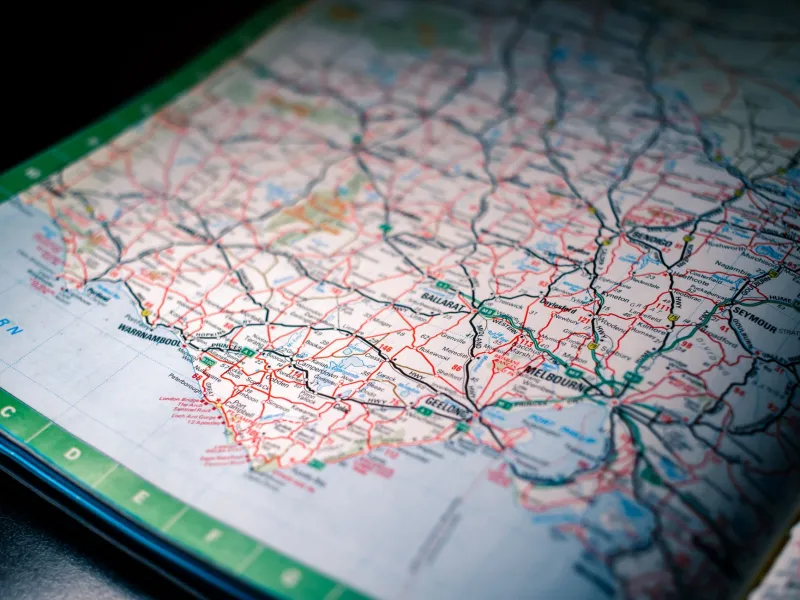
There's a particular kind of comfort that only Northern viewers will truly understand. It's teatime. The news has just wrapped up. And there, standing in front of a map peppered with cartoon clouds somewhere over the Pennines, is a familiar face — slightly windswept, warmly dressed, and absolutely not pretending it's going to be a lovely weekend.
Northern weather presenters have always operated by a different code. No performative optimism. No glossing over the inevitable drizzle. Just straight-talking, occasionally self-deprecating, and genuinely warm forecasters who understood that their audience had enough on their plate without being lied to about the isobars.
More Than a Forecast
Ask anyone who grew up watching regional TV across Yorkshire, Lancashire, the North East or Merseyside and they'll have a name. A face. A particular turn of phrase that still lives rent-free in their memory. These weren't just people reading off temperature charts — they were fixtures. As reliable as the chip shop on a Friday and considerably more comforting than the actual weather they were describing.
What made Northern weather presenters distinct wasn't just their accents, though those certainly helped. It was the sense that they were in on the joke with you. A February forecast in Sheffield or Sunderland is rarely a cause for celebration, and the best regional presenters leaned into that shared understanding. There was a kind of conspiratorial warmth in the way they'd announce another grey Tuesday — as if to say, aye, I know, but we'll get through it together.
Calendar's weather coverage on ITV Yorkshire, for instance, built a loyal following over decades precisely because its presenters felt local in the truest sense. They referenced places people actually lived. They knew that a weather warning near the Dales meant something specific to a farmer in Wensleydale, not just a commuter in Leeds. That hyper-local knowledge was the currency they traded in, and viewers paid attention.
The Characters Behind the Charts
Part of what made these figures so beloved was the sheer character they brought to what is, on paper, a fairly functional television segment. Habits became beloved rituals. A slightly theatrical pause before revealing the weekend forecast. A running joke about Bank Holiday rain. The way certain presenters could make a high-pressure system sound almost exciting.
Some built genuine celebrity status within their regions without ever needing to go national. And that, arguably, is the more impressive achievement. It takes a particular kind of talent to be genuinely famous in Hull or Halifax without ever troubling the ratings in Bristol. These were people who understood their patch intimately and whose audiences rewarded that understanding with something close to genuine affection.
There's also a generational quality to how people remember them. Grandparents who watched the same forecaster for twenty-odd years. Families who'd shush each other during the weather segment not because the information was urgent, but because they simply liked the person delivering it. That's not meteorology. That's television personality, pure and simple.
The App in the Room
Of course, we have to talk about it. The smartphone. The widget. The three-tap weather check that now precedes every outdoor plan, every school run, every wedding in a marquee in the Yorkshire Dales.
 Photo: Yorkshire Dales, via www.nationalparks.uk
There's no denying that the practical function of the regional weather presenter has been somewhat eroded by technology. Why wait until 6:28pm to find out if it's going to rain tomorrow when you can ask your phone right now and get a hyper-precise hourly breakdown? The information gap that once made these presenters essential has narrowed considerably.
But here's the thing — the gap that remains isn't about data. It's about connection. A weather app can tell you there's a 73% chance of precipitation in your postcode. It cannot look you in the eye and acknowledge, with a knowing half-smile, that yes, this is indeed miserable, but that's what August in Cumbria looks like and you'd have it no other way.
Regional broadcasters have largely understood this, which is why the weather segment on programmes like Look North or Granada Reports hasn't been quietly retired in favour of a graphics package. The presenter is still there. The connection still matters. The numbers are almost secondary.
What Gets Lost When They Go
When a long-serving regional weather presenter retires or moves on, the response from viewers is often startlingly emotional. Social media fills up with tributes. Local papers run retrospectives. People who haven't thought about a weather forecast in years suddenly feel the absence keenly.
That reaction tells you something important about what these figures actually represented. They weren't just delivering forecasts. They were providing continuity. A fixed point in the shifting landscape of daily life. The fact that Dave, or Sandra, or whoever it happened to be, was still there on a Wednesday evening, still making the same gentle joke about the Pennines, was quietly reassuring in a way that's difficult to articulate but very easy to feel.
The North, more than most places, values that kind of dependability. There's a reason certain regional presenters clocked up thirty-year careers in the same slot without anyone suggesting they ought to be shuffled off to a national network. The audience didn't want them to leave. And the presenters, by and large, didn't want to go.
Still Standing
The good news is that the regional weather presenter is not yet an endangered species. Across the North's ITV and BBC regional programmes, familiar faces continue to do what they've always done — translate complicated atmospheric science into something warm, accessible, and occasionally very funny.
What has changed is the context around them. They exist now alongside apps, alongside social media weather accounts, alongside the kind of obsessive amateur meteorology that the internet has made possible. They've had to adapt, and most of them have done so with the same unfussy pragmatism that characterises the best of Northern broadcasting.
In a media landscape increasingly dominated by national platforms and algorithm-driven content, there's something quietly radical about a person standing in front of a regional weather map and talking directly to the people of West Yorkshire or Tyne and Wear as though they matter. Because they do. And up here, we've always known it.