Lights, Camera, Disruption: What Happens to a Northern Town When the TV Crews Move In
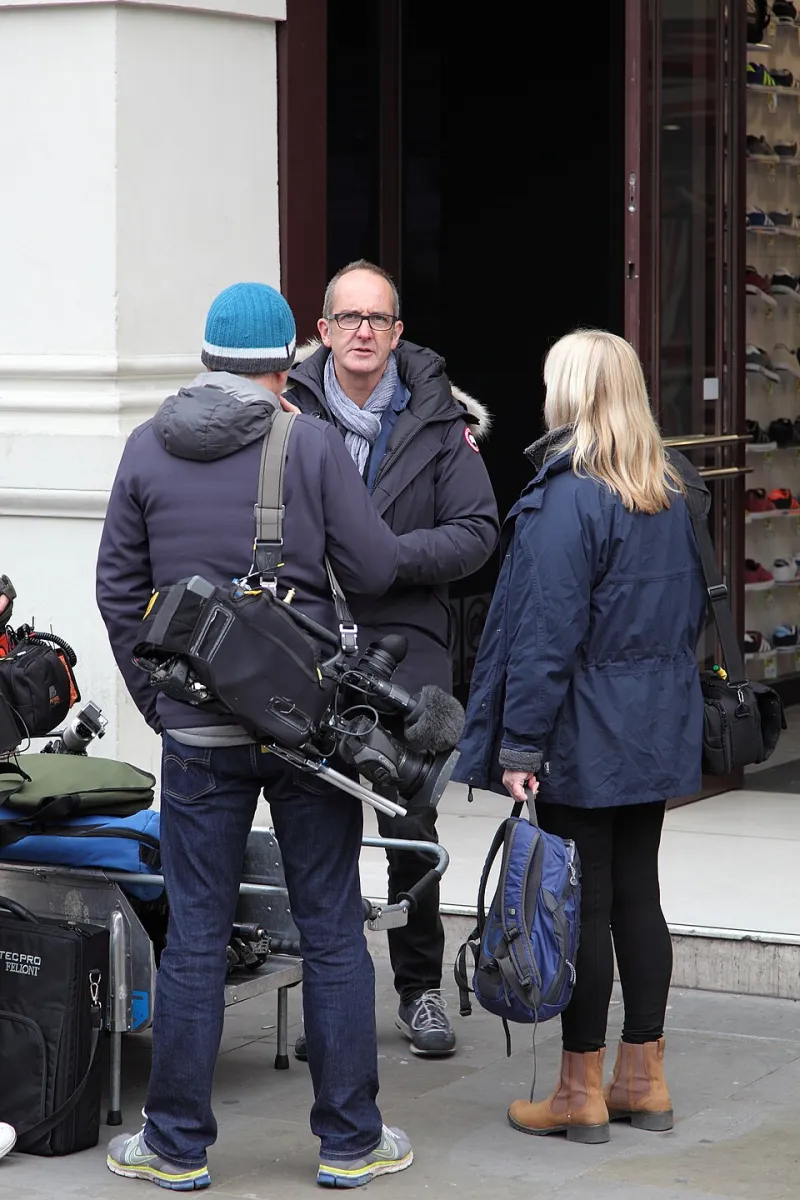
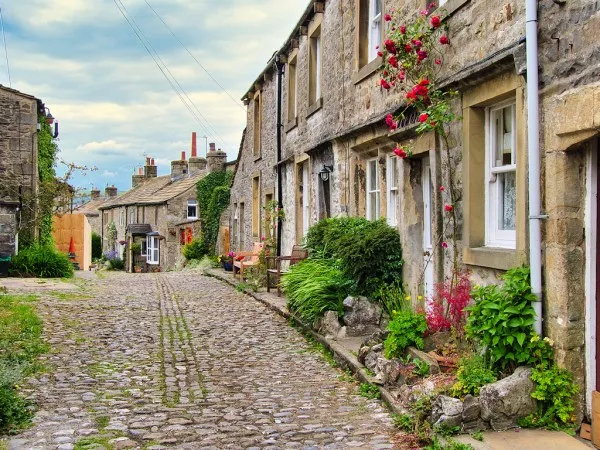
Photo: Bobulous, CC BY-SA 4.0, via Wikimedia Commons
The letter arrives through the door on a Tuesday. It's polite, professionally worded, and explains that a major television production will be using the street outside your house as a filming location for several days over the coming weeks. There will be some disruption, it says. Parking restrictions will apply. Certain hours will require residents to minimise noise. A liaison number is provided for any concerns.
For the residents of various Northern towns that have found themselves on the receiving end of exactly this kind of correspondence in recent years, the gap between what the letter promises and what the experience actually involves can be considerable.
The Compliment That Comes With Conditions
Being chosen as a filming location is, on one level, genuinely flattering. It means someone with a budget and a vision looked at your town — your streets, your architecture, your particular quality of light on a grey November afternoon — and decided it was worth building a story around. For communities that have spent years feeling overlooked by the wider cultural conversation, that recognition carries real weight.
But the logistics of a major production don't pause for local life. And in smaller Northern towns, where the infrastructure wasn't designed to accommodate a convoy of equipment trucks and a catering unit the size of a small warehouse, the practical realities of a TV shoot can reshape daily routines in ways that nobody fully anticipated.
"The first day was exciting," recalls one resident of a market town in the Pennines that hosted a significant drama shoot last year. "By the fourth day, when I still couldn't park anywhere near my own house and the school run had turned into a fifteen-minute detour, the novelty had worn off a bit."
When the School Run Meets the Shot List
The relationship between filming schedules and community timetables is one of the more underreported friction points of location production. A shot list doesn't care about the 8:45 school bell. A director who needs a specific quality of morning light in a particular street isn't thinking about the parents who need to get through that street at exactly that moment.
In several Northern communities that have hosted extended shoots, schools have had to issue revised guidance to parents about alternative routes and adjusted drop-off points. Some have sent letters explaining why the usual approach road is temporarily inaccessible. A few have quietly moved morning assembly times to reduce the volume of foot traffic outside during critical shooting windows.
"We try to work with the community, genuinely," says one location manager who has coordinated shoots across the North of England for more than fifteen years. "But there are pressures on a production schedule that don't bend easily. Weather windows, actor availability, the sheer cost of a day's delay — all of that creates a momentum that can feel unstoppable from the outside."
The economic relationship between productions and local businesses adds another layer of complexity. Shops and cafes that fall within a filming zone often face a choice between restricted trading hours and the possibility of appearing in the background of a scene that might bring a few curious visitors down the line. For a small business already operating on thin margins, that's not always a straightforward calculation.
The Pub That Became a Prop
Few local institutions feel the impact of a TV shoot more acutely than the traditional Northern pub. A boozer that finds itself either cast as a location or simply caught within the production perimeter quickly discovers that its usual rhythm — the lunchtime trade, the early evening crowd, the Friday night regulars — doesn't map neatly onto a filming schedule.
One landlord in a West Yorkshire village, whose pub featured prominently in a well-regarded drama series a few years back, describes the experience with characteristic frankness. "The production company were brilliant, paid a decent location fee, and the crew spent a fair bit at the bar when they were off the clock. But the nights they needed the place closed for a private shoot? That's money I didn't make. And the regulars who couldn't come in went somewhere else and some of them just... stayed somewhere else."
The disruption to trade patterns is rarely catastrophic, but it's rarely nothing either. And it tends to fall most heavily on the businesses and residents who had the least say in the decision to welcome the production in the first place.
The Morning After the Wrap Party
Once the trucks leave and the cable reels are loaded back onto the lorries, what remains? In the best cases, a genuine sense of community pride, some lasting economic benefit from accommodation and services used during the shoot, and perhaps a modest uptick in visitors drawn by the association with a popular series.
In other cases, the legacy is more ambivalent. Roads that were dug up to lay power cables and not quite restored to their original condition. A local business that lost a fortnight's regular trade without adequate compensation. A school that spent three weeks managing parental frustration about access routes.
"Nobody's the villain here," says a community liaison officer who has worked with several productions in the North. "The production companies mostly want to do right by the communities they're using. The communities mostly want to accommodate them. It's just that the two sets of needs don't always fit together as smoothly as everyone hoped."
What's becoming clearer, as more major productions choose Northern locations over the increasingly saturated streets of London and its surrounds, is that the conversation about community impact needs to start earlier and involve more people. The letter through the door on a Tuesday is not the beginning of genuine engagement — it's the end of a process that should have included local voices from the start.
The North makes brilliant television. Its towns, its light, its people — there's a reason productions keep coming back. But making brilliant television and being a good neighbour aren't always the same thing, and the communities doing the hosting deserve a bit more say in how those two things get balanced.