Logged On and Obsessed: The Northern Superfans Who Became Britain's Unlikely TV Archivists
Logged On and Obsessed: The Northern Superfans Who Became Britain's Unlikely TV Archivists
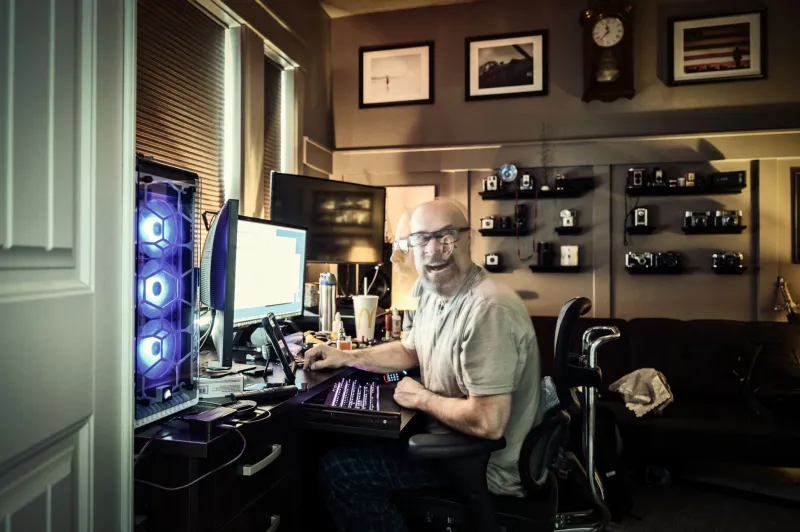
Somewhere in a semi-detached in Chapeltown, a retired postal worker named Terry has spent the last fourteen years cataloguing every single episode of a British soap opera that ended its run before most of his neighbours had heard of broadband. He can tell you the name of every director, every script editor, every actor who appeared in more than three episodes. He has scanned original press photos, transcribed audio from worn VHS recordings, and corresponded with former cast members who were surprised — and then genuinely touched — that anyone still cared.
Terry isn't famous. His website gets a few hundred visitors a month, mostly from people who stumbled across it searching for something half-remembered. He doesn't monetise it. He doesn't particularly want to. He just thinks the show deserves to be remembered properly.
There are thousands of Terrys across the North of England.
The Accidental Historians
British television has a complicated relationship with its own past. Entire decades of broadcast material were wiped, lost, or simply never properly catalogued by the institutions that made them. The BBC's junking of archive footage in the 1960s and 70s is the most notorious example, but the problem runs far deeper and more recently than most people realise. Regional programming in particular — the stuff made in Leeds or Liverpool or Newcastle for local audiences — often disappeared without ceremony, considered too parochial to preserve.
Which is where the fans came in.
Long before streaming platforms started commissioning their own nostalgia documentaries, ordinary people with dial-up connections and a fierce devotion to shows they loved were quietly building the most comprehensive records that existed anywhere. Fan forums became de facto archives. Tribute sites became reference materials. The enthusiasm that broadcasters occasionally dismissed as slightly obsessive turned out to be, in historical terms, genuinely invaluable.
Sites dedicated to everything from classic Emmerdale storylines to long-forgotten ITV regional dramas have preserved episode guides, production notes, cast interviews and promotional material that simply doesn't exist anywhere else. When academics, journalists or documentary makers want to trace the history of a particular show, they often end up at a fan site built in someone's spare time in Rotherham or Birkenhead.
Why the North Produces So Many of Them
There's no scientific basis for the claim, but it does feel significant that so many of Britain's most dedicated TV fan archivists come from Northern England. Part of it, perhaps, is the particular attachment Northern audiences have always felt towards television that reflected their own lives back at them.
For much of British TV history, the North was either invisible or caricatured. When shows did get it right — when a drama captured something true about life in a mill town or a mining community or a Liverpool terrace — the response from Northern audiences was fierce and loyal in a way that went beyond ordinary fandom. These weren't just shows people enjoyed. They were shows that said: you exist, your life matters, your story is worth telling.
The fans who built tribute sites to those programmes were doing something similar. They were saying: this mattered. Don't let it be forgotten.
Lisa, who runs one of the most comprehensive sites dedicated to a beloved 1980s Northern drama, puts it plainly. "I grew up watching this show with my mum and my nan. It was set about three miles from where we lived. When it ended, it just sort of... vanished. No repeats, no DVD release, nothing. I couldn't bear the idea that in fifty years nobody would even know it had existed. So I started writing things down."
The Extraordinary Hours
What strikes you when you talk to these people is the sheer volume of time involved. We're not talking about a couple of evenings spent typing up a Wikipedia entry. We're talking about years. Decades, in some cases. Thousands of hours of research, correspondence, digitisation, writing and maintenance, all entirely unpaid and largely unacknowledged.
Mark from Sheffield has been running a site dedicated to classic British TV game shows since 2003. In that time he has tracked down original production documents, interviewed retired floor managers and researchers, and built a database of every episode of several shows that no longer exists in any official archive. "I've had researchers from proper universities contact me," he says, with a slightly bewildered laugh. "They needed information I had that they couldn't get anywhere else. That's a strange feeling."
The motivation, when you press people on it, is rarely about recognition. Most of these fan archivists would be perfectly happy if their sites remained modestly trafficked forever, as long as the information stayed accessible. It's preservation for its own sake. A refusal to let things disappear just because the people who made them have moved on.
The Broadcaster Relationship
The relationship between fan archivists and the broadcasters whose shows they document is fascinatingly complicated. At its best, it's quietly collaborative — production companies occasionally tip off fan sites when previously lost footage surfaces, and fans have been known to alert broadcasters to the existence of privately held recordings that eventually made their way into official releases.
At its worst, it's adversarial. Copyright takedown notices have shuttered sites that spent years building their archives. Footage painstakingly digitised from personal VHS collections has been removed at the request of rights holders who, in many cases, have no plans to ever release the material themselves. It's a tension that the fan community finds genuinely painful — the sense that they're being punished for caring about something the official custodians have effectively abandoned.
There's a broader conversation happening here about who actually owns cultural memory. Legally, the answer is clear enough. Morally, it's considerably murkier.
Still Building
For all the complications, the fan archivists aren't going anywhere. If anything, the tools available to them have improved dramatically. Better digitisation technology, more accessible hosting, social media communities that can crowdsource missing information — the modern TV superfan has resources that the pioneers of the early 2000s could only dream about.
And the material keeps surfacing. Attic clearances and house moves regularly unearth old recordings, promotional materials and production paperwork that ends up in the hands of fans rather than institutions, because the fans are the ones who've made clear they want it.
Terry, the retired postal worker in Chapeltown, recently received a box of original scripts from the daughter of a writer who worked on his beloved soap. She'd found them while clearing her father's study. She'd looked online to see if anyone cared. She'd found his site. "She said her dad would have been pleased," Terry says. "That was enough for me, that."