The Keepers of the Cobbles: Where TV's Most Famous Bits and Bobs Go to Rest
The Keepers of the Cobbles: Where TV's Most Famous Bits and Bobs Go to Rest
Tucked away in an industrial estate outside Preston, Dave Matthews runs his hands along a dining table that's seen more drama than most West End theatres. It's been through three house fires, two divorces, and countless family rows – all fictional, mind you. This battered piece of furniture spent fifteen years in a Coronation Street living room before finding its way to Northern Props & Heritage, one of dozens of specialist storage facilities scattered across the North that quietly safeguard Britain's television history.
"People think it's just old tat," Dave says, patting the table's worn veneer. "But this isn't just furniture – it's part of people's lives. Families have watched storylines unfold around this table for years. It's got more emotional baggage than most real dining rooms."
The Forgotten Guardians
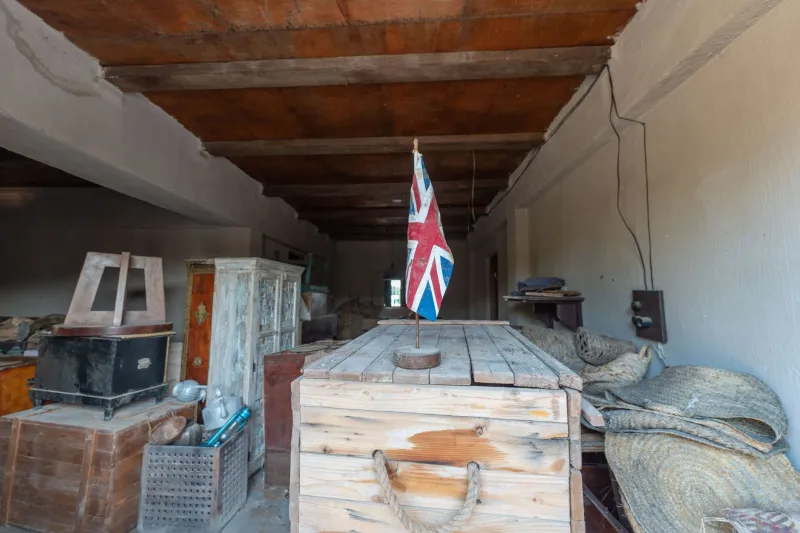
Whilst the stars get the headlines and the writers get the plaudits, there's an entire industry of unsung heroes keeping Britain's screen heritage alive in warehouses from Blackpool to Barnsley. These aren't your typical storage facilities – they're part museum, part hire shop, part archaeological dig through decades of British broadcasting.
Sarah Chen's warehouse in Wakefield houses everything from 1970s Emmerdale farmhouse furniture to the original Rover's Return bar fittings. "We've got three floors of stuff that tells the story of British television," she explains, weaving between towering shelves of carefully catalogued items. "That wardrobe there? It's from the very first series of Heartbeat. Those pub chairs? They've been in more Northern dramas than most actors."
The scale is staggering. Sarah's operation alone holds over 50,000 individual items, each tagged, photographed, and entered into a database that would make the British Museum jealous. From the mundane – dozens of identical 1980s telephones – to the iconic, like the actual corner shop till from Coronation Street's original set.
More Than Just Storage
These warehouses aren't just graveyards for old props. They're active businesses, hiring out pieces to new productions whilst maintaining the heritage of the old. When period dramas need authentic 1960s kitchen units or contemporary shows want that perfect lived-in sofa, they come calling.
"We get calls from Netflix, from the BBC, from tiny independent productions," explains Tony Hargreaves, who runs Heritage Television Props near Manchester. "Last month we kitted out a kitchen for a new drama series using furniture that was originally made for Brookside twenty years ago. It's had three different lives on screen, and now it's starting a fourth."
The business model makes sense – why build new when the perfect piece already exists? But it's the preservation aspect that really drives these custodians. Tony's warehouse includes a climate-controlled section for the most significant pieces, and he employs a full-time restorer who works with the delicacy of a museum conservator.
The Stories Behind the Stuff
Every piece has a story, and the warehouse keepers have become unofficial historians of British television. Dave can tell you which episodes featured specific items, whilst Sarah maintains detailed provenance records that would satisfy any antiques expert.
"That mirror there was in the Woolpack for eight years," Sarah points to an ornate Victorian-style glass hanging on the wall. "It reflected some of Emmerdale's biggest storylines. And those bar stools? They've supported more dramatic revelations than most therapists' couches."
The emotional connection runs deeper than mere cataloguing. These custodians understand they're preserving more than props – they're keeping alive the physical manifestation of stories that shaped British culture. When long-running shows end or major storylines conclude, the props become tangible links to shared memories.
Under Threat
But this world of television archaeology faces mounting pressures. Budget cuts mean productions increasingly opt for new, cheap furniture over authentic vintage pieces. Warehouse rents rise whilst demand fluctuates. Several significant collections have already been lost to skip hire when storage became uneconomical.
"We lost the entire contents of a Granada Television warehouse five years ago," Tony reveals sadly. "Decades of props from some of the North's most famous shows, all gone to landfill because nobody wanted to pay the storage costs. It was heartbreaking."
The COVID-19 pandemic made things worse, with production halts meaning months without rental income whilst storage costs continued. Some facilities didn't survive. Others had to sell off significant portions of their collections just to keep the lights on.
Digital Catalogues, Physical Heritage
The survivors are adapting. Many now offer virtual catalogues, allowing production designers to browse thousands of items online before visiting. Some have started offering guided tours for television enthusiasts, turning storage costs into revenue streams.
"We're not just warehouses anymore," explains Sarah. "We're heritage centres, hire companies, and tourist attractions all rolled into one. Last weekend we had a coach party from Huddersfield who wanted to see the original Emmerdale props. They spent more in our gift shop than most TV productions pay in rental fees."
The irony isn't lost on these custodians – whilst the television industry increasingly goes digital, the physical objects that created our most beloved shows become ever more precious. In a world of CGI and virtual sets, there's something irreplaceably authentic about furniture that's been genuinely lived with, even if that living was fictional.
As Dave locks up his Preston warehouse for the night, he pauses by that famous dining table one more time. Tomorrow it might be hired out for a new production, ready to witness fresh dramas and create new memories. For now, though, it rests quietly among thousands of other pieces, each one a fragment of Britain's television soul, carefully preserved in the industrial estates of the North.